
Neglecting the routine maintenance of your laundry exhaust path can lead to a series of severe structural and mechanical problems within your home. Over time, the continuous accumulation of trapped debris transforms a simple household chore into a major operational hazard. Most people do not realize that the exhaust channel is responsible for releasing extreme heat and heavy moisture safely outside the living space.
When this exit path becomes completely blocked, the entire system begins to fail, affecting everything from energy consumption to fabric quality. The longer you ignore this hidden buildup, the higher the risk of experiencing sudden appliance breakdowns and expensive emergency repairs. Taking the time to understand the specific dangers of total neglect is the best way to safeguard your property and family.
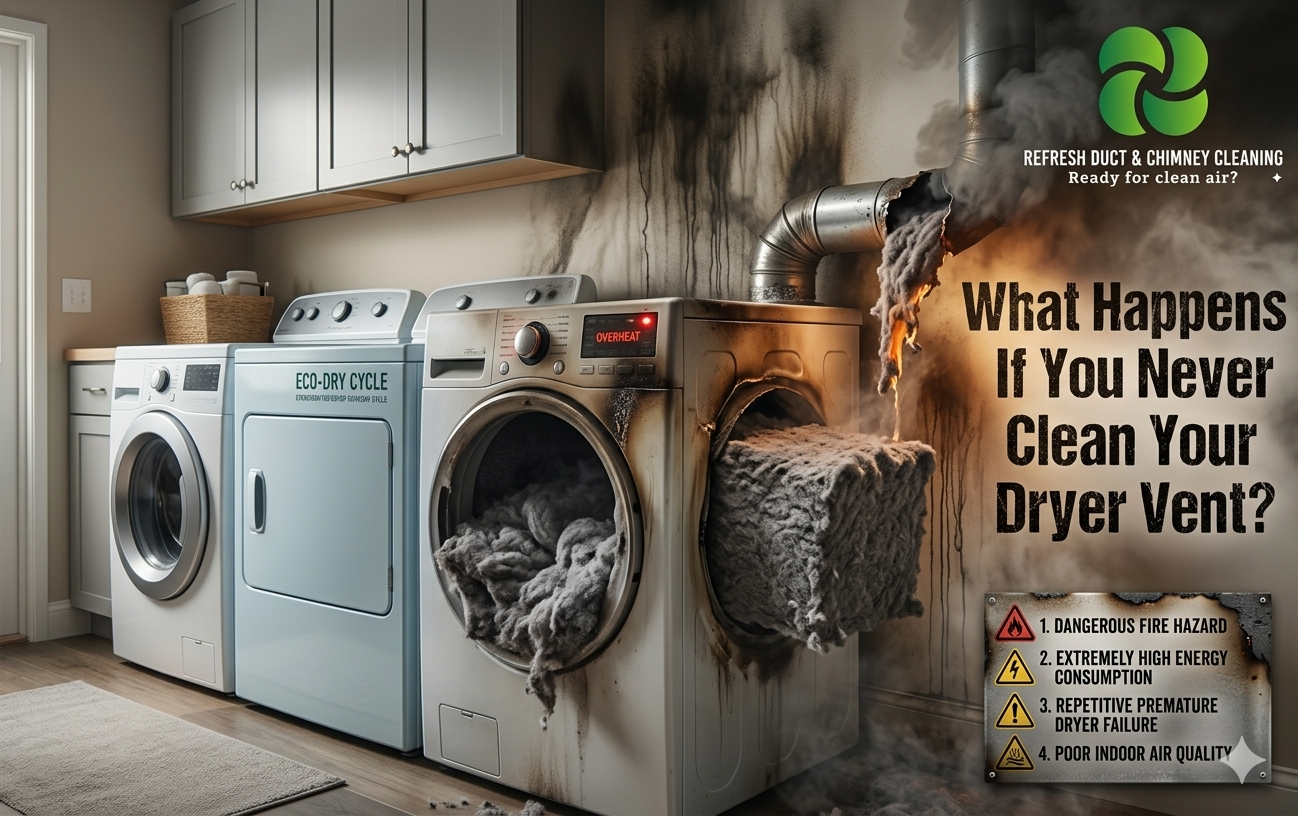
What Happens If You Never Clean Your Dryer Vent?
If you completely ignore your exhaust system, the gradual accumulation of fabric particles will eventually choke off the entire airflow mechanism. Initially, you will only notice minor inconveniences, such as damp clothing and slightly longer drying times during your regular weekly laundry cycles. These early warning signs often indicate that it’s time to schedule dryer vent cleaning Los Angeles before the blockage becomes more severe.
However, as the months pass without any cleanup, the restricted hot air has nowhere to escape and backs up directly into the mechanical cabinet. This extreme heat can melt delicate internal wiring, blow expensive thermal safety fuses, and permanently damage the primary motor assembly. Regular dryer vent cleaning helps restore proper airflow, reduces excessive heat buildup, and protects your appliance from costly repairs while improving overall drying efficiency.
Extreme Heat Accumulation and Component Melting
The absence of a clear ventilation pathway forces the appliance to hold onto dangerous levels of thermal energy during operation. Standard systems rely on a continuous stream of fresh air to cool down the internal electrical parts and keep temperatures balanced. This intense heat easily melts thin plastic components and degrades the rubber belts that spin the machine.
Once these critical pieces melt or deform, the entire appliance becomes completely useless, forcing you to buy an expensive replacement. When that stream stops due to a heavy clog, the temperature inside the metal casing skyrockets far past safe factory limits.
Massive Spikes in Monthly Energy Consumption
- A choked exhaust network forces your laundry machine to run two or three times longer just to dry a single load of garments.
- Because the damp air cannot escape, the machine must continuously reheat the same stagnant, wet environment over and over again.
- This extended running time translates directly into a massive increase in your monthly electricity or natural gas utility bills.
- The heavy heating element and the spinning motor consume high amounts of energy when forced to run for hours without a break.
- Over a full year of neglect, these hidden efficiency losses can end up costing you hundreds of extra dollars.
Household Moisture Damage and Mold Growth
Every single load of wet laundry contains several quarts of water that must be completely evaporated and pushed outside your home. When the exit pipe is blocked, that massive volume of moisture has no choice but to leak out through the pipe joints.
This warm, humid air seeps directly into the dark spaces behind your drywall, creating a perfect breeding ground for toxic mold. You will soon notice damp spots on your walls, peeling paint, warped baseboards, and a strong, unpleasant musty smell throughout the area.
Thermal Fuse Failure
The thermal fuse is a critical safety device designed to cut off power if the machine gets dangerously hot. When debris blocks the airflow completely, the internal temperature triggers this single-use fuse, causing the machine to shut down instantly. Replacing this blown part requires taking the entire cabinet apart and hiring a technician to install a new fuse.
Drive Belt Snapping
The rubber drive belt wraps around the heavy drum to keep it spinning smoothly throughout the long drying cycle. Continuous exposure to trapped, stagnant heat softens the rubber material, causing it to crack, stretch, and eventually snap completely. Once the belt snaps, the motor will spin idly, but the heavy drum will remain totally stationary.
Heating Element Burnout
Electric heating coils require constant moving air to carry the intense heat away from the delicate metal wires. Without this airflow, the coils quickly overheat, glow red hot, and literally burn themselves out like an old lightbulb. A burnt-out element cannot produce any heat, leaving you with cold, soaking wet clothes at the cycle end.
Motor Bearing Seizure
The main motor is forced to push against massive air resistance when the exhaust pathway is tightly packed with debris. This extra workload puts immense mechanical pressure on the internal bearings, causing them to dry out and wear away. Eventually, the bearings will seize up completely, resulting in a loud humming noise and a dead motor.
Exhaust Fan Breakage
The plastic blower wheel spins at high speeds to force the damp air out through the long ventilation pipe. If heavy clumps of packed debris back up into the fan chamber, they can easily crack or shatter the spinning blades. A broken fan wheel completely stops all air movement, making the appliance entirely incapable of drying.
Digital Control Corruption
Modern appliances rely on sensitive electronic circuit boards to manage cycles, timings, and internal temperature sensors accurately. When extreme heat backs up due to a clogged pipe, it cooks these delicate computerized components behind the front panel. Corrupted circuit boards cause random error codes, erratic behavior, and total electronic failure of the machine.
Accelerated Fabric Destruction and Wear
- Operating an appliance with a blocked exhaust line dramatically shortens the useful lifespan of your favorite clothing items.
- Because the machine cannot vent the humidity, your clothes are subjected to intense heat and rough tumbling for extended periods.
- This prolonged exposure cooks the delicate fabric fibers, causing colors to fade rapidly and elastic waistbands to stretch out completely.
- You will notice an unusual amount of thin spots, micro-tears, and frayed edges on your shirts, towels, and blankets.
- The excessive heat essentially bakes the life out of the textiles, forcing you to replace your wardrobe much sooner than expected.
Neglect Impact and Breakdown Timeline
| Operational Stage | Airflow Status | Average Cycle Time | Internal Heat Level | Energy Waste | Primary Mechanical Risk |
| 0-3 Months | 100% Clear | 35 to 45 minutes | Safe Factory Limits | None (Baseline) | Normal wear and tear |
| 6 Months | 80% Efficient | 50 to 60 minutes | Slightly Elevated | 15% Increase | Minor thermostat strain |
| 12 Months | 50% Restricted | 70 to 90 minutes | Moderately Hot | 40% Increase | Thermal fuse trips often |
| 18 Months | Severe Blockage | 90+ mins (Multiple) | Dangerously High | 75% Increase | Heating element burns out |
| 24 Months | Total Occlusion | Fails to dry completely | Extreme Overheating | 120% Increase | Motor seizes or melts |
| 36+ Months | Complete Failure | Non-operational | Catastrophic High | Maximum Cost | High risk of internal fire |
| Horizontal Runs | Slower Velocity | Accumulates fast | Trap points form | Constant drag | Pipe separation at joints |
| Vertical Roof Runs | Gravity Resistance | Debris drops down | Heavy backpressure | Maximum strain | Total column blockage |
| Plastic Ducting | High Friction | Ridges catch fibers | Softens material | Severe restriction | Complete pipe collapse |
| Metal Ducting | Low Friction | Best performance | Retains shape well | Minimal waste | Joint tape drying out |
The Danger of Toxic Carbon Monoxide Poisoning
For homes that utilize natural gas appliances, a blocked exhaust line creates a silent and highly lethal environmental hazard. Gas systems produce carbon monoxide as a natural byproduct of burning fuel to generate the heat needed for drying. A clean, open pipe safely channels this invisible, odorless, and tasteless toxic gas completely out of your living spaces.
However, if the pathway is sealed shut by packed debris, the dangerous gas backs up and spills into your laundry room. Breathing in carbon monoxide causes sudden headaches, severe dizziness, nausea, confusion, and can be fatal if left undetected.
Sudden Persistent Headaches
The early stages of gas buildup trigger dull, throbbing headaches that seem to worsen the longer you stay inside. This happens because the trapped toxic gas gradually replaces the oxygen molecules circulating inside your bloodstream.
Dizziness and Lightheadedness
Breathing in restricted exhaust fumes makes you feel suddenly unsteady on your feet, dizzy, and completely disoriented while working. This symptom serves as a critical warning sign that the air quality inside the room has become severely compromised.
Unexplained Chronic Fatigue
Continuous exposure to low levels of leaked exhaust gas leaves family members feeling completely exhausted and drained of energy. The body is forced to work much harder to function normally due to the lack of clean, fresh oxygen.
Nausea and Vomiting
As the toxic gas concentrations rise within the enclosed house structure, it causes sudden flu-like symptoms and severe stomach upset. If multiple people feel sick simultaneously only while at home, a venting issue is highly probable.
Shortness of Breath
You may experience a sudden tightening in your chest and find it difficult to take deep, full breaths near the machine. This indicates that the air is heavy with dangerous combustion byproducts that cannot escape through the blocked pipe.
Erratic Pet Behavior
Small domesticated animals and birds feel the toxic effects of leaked gas much faster than adult humans due to their small size. If your pets suddenly become lethargic, confused, or collapse near the laundry area, evacuate the house immediately.
How Total Neglect Nullifies Home Insurance
Failing to maintain your property can have devastating financial consequences that extend far beyond simple mechanical repair bills. Most standard homeowner insurance policies contain explicit clauses that require you to perform basic preventative maintenance on your appliances.
If an emergency occurs and investigators discover the root cause was a completely packed, neglected exhaust pipe, the company can legally deny your claim. This means you will be held entirely responsible for paying out-of-pocket to fix any structural damage to your property.
Conclusion
Leaving your appliance exhaust line uncleaned for years sets off a destructive chain reaction that threatens your entire home. What begins as a minor issue with wet clothes quickly escalates into melted components, high energy bills, and structural mold damage. The compounding effects of trapped heat, heavy humidity, and restricted airflow put an unsustainable amount of strain on the machine.
Furthermore, the risk of toxic gas leaks makes regular ventilation maintenance an absolute necessity for household safety. Taking responsibility for this simple preventative chore saves money, protects your wardrobe, and ensures long-term operational efficiency. Keeping the exhaust line clear is a vital investment in your home’s safety and your peace of mind.
FAQs
- What is the very first sign of a neglected vent?
The absolute first sign you will notice is that your clothing takes significantly longer to dry than it used to. A standard load that once took forty minutes will suddenly require an hour or more to feel completely dry. This happens because the machine cannot expel the damp air, forcing the moisture to recirculate inside the drum.
- Can a clogged pipe cause the machine to stop heating?
Yes, total neglect will eventually cause the machine to stop producing heat altogether during a regular cycle. When the airflow is completely choked, the internal temperature rises rapidly and blows the single-use safety thermal fuse. Once this fuse blows, the drum will still spin, but the heating element will remain completely cold.
- Does a blocked exhaust line smell bad?
Yes, a neglected system will produce a very strong, distinct musty or stale odor over time. This unpleasant smell is caused by large pools of humid air and condensed water trapping organic fabric fibers inside the pipe. This damp, dark environment allows bacteria and mold to thrive, transferring the foul odor directly onto your clean laundry.
- Is the lint trap inside the door enough to protect my home?
No, the standard mesh screen inside the machine door only catches a portion of the total fibers shed during a cycle. Microscopic particles are small enough to pass right through the mesh openings and enter the main exhaust tubing. Over several months, these tiny escaping particles accumulate along the pipe walls, creating a thick, dangerous blockage.
- Can a blocked vent cause a structural house fire?
Yes, accumulated fabric debris is highly flammable and acts like tinder if it comes into contact with extreme heat. When the air cannot move, the internal temperature can reach ignition levels, causing the dry fibers to catch fire instantly. This internal fire can quickly spread through the walls of your home along the path of the pipe.
- How does a clogged line ruin the electric motor?
A clogged line creates heavy backpressure, forcing the internal exhaust fan to push against a solid wall of air. This extra resistance forces the electric motor to pull more current and work twice as hard to turn the fan blades. This continuous mechanical strain overheats the motor windings, melts the insulation, and causes the motor to burn out.
- Why does mold grow near a neglected exhaust pipe?
When the warm, moisture-laden air cannot escape outside, it condenses into liquid water inside the cold metal or plastic pipes. This water leaks out through the seams and joints of the pipe sections, soaking the surrounding drywall and wooden studs. This dark, wet environment provides the ideal conditions for toxic mold spores to grow rapidly.
- Can a blocked vent system leak dangerous gas?
Yes, if your appliance runs on natural gas, a blocked ventilation pipe will cause dangerous carbon monoxide to back up into your home. Since carbon monoxide is completely invisible and has no smell, it can build up to toxic levels without you noticing. Regular cleaning ensures these harmful combustion gases are safely directed outside the property.
- Will cleaning the vent lower my monthly bills?
Yes, clearing out a thick blockage will immediately lower your monthly gas or electricity consumption bills. When the air moves freely, your clothes dry much faster, allowing you to run shorter cycles and use less power. This increased efficiency easily offsets the minor time or cost required to keep the pipe clean.
- Can I tell if a vent is clogged just by looking at it?
You can often check for clogs by looking at the exterior exhaust hood on the outside wall of your house. If the plastic flaps do not open wide when the machine is running, or if you see debris sticking out, a blockage is present. However, many clogs form deep inside the walls and require a full inspection to see.