Maintaining a properly functioning HVAC system is crucial for homeowners in San Diego, where temperatures can fluctuate significantly throughout the year. A failing system not only compromises comfort but also drives up energy costs and can lead to expensive repairs if not addressed promptly. Recognizing early warning signs allows homeowners to act before minor problems escalate into major issues.
Your HVAC system works tirelessly to regulate indoor temperature and air quality. Over time, wear and tear, lack of maintenance, and environmental factors can affect its efficiency. By staying alert to specific signs of failure, you can ensure a safer, more comfortable home environment while extending the lifespan of your system.
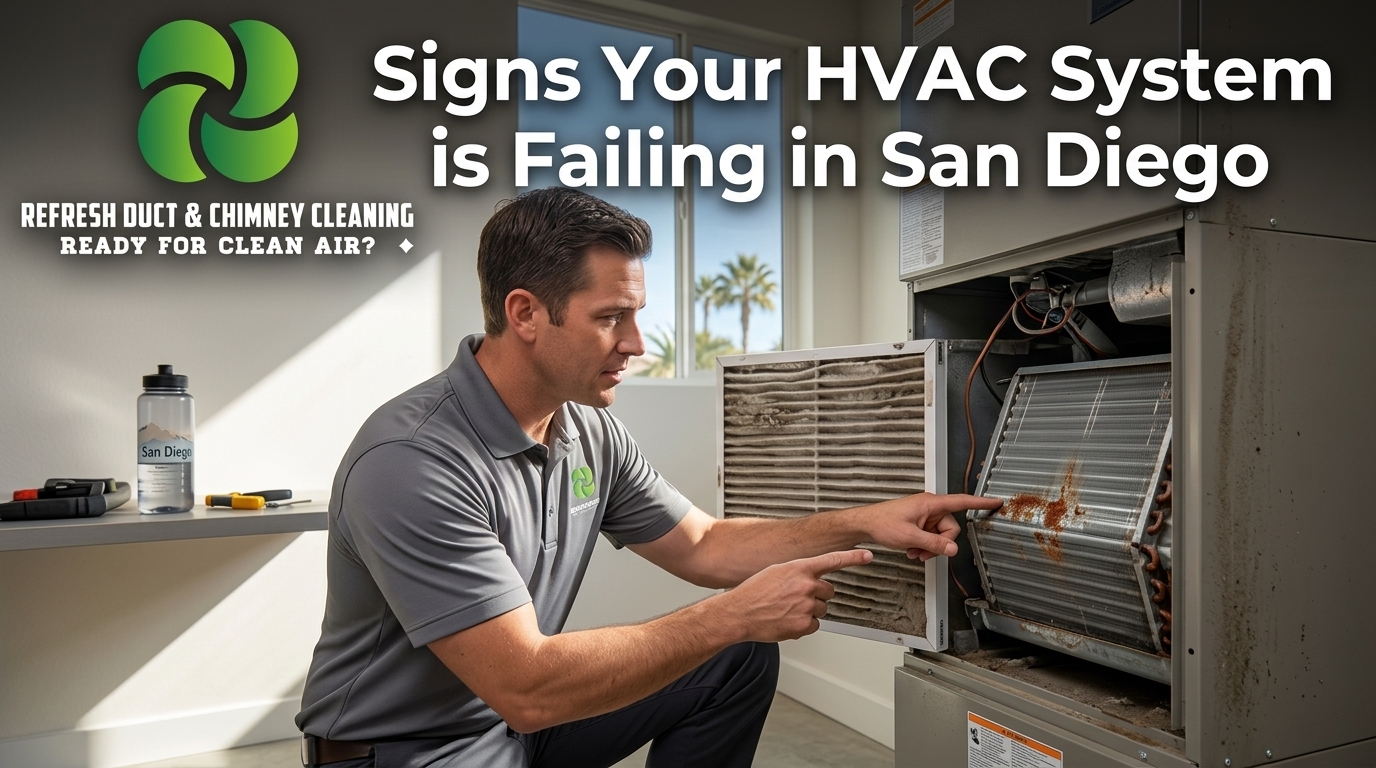
Common Signs Your HVAC System Is Failing in San Diego
A failing HVAC system in San Diego can quickly impact your comfort, energy bills, and indoor air quality. Because of the region’s warm climate, a properly functioning HVAC system is essential year-round. When the system begins to fail, it usually shows subtle warning signs before breaking down completely. Recognizing these signs early can help you avoid costly repairs and unexpected system failure.
Homeowners in San Diego should pay close attention to changes in how their HVAC system performs. Issues like weak airflow, unusual noises, or inconsistent temperatures often indicate underlying problems. Ignoring these warning signs can lead to bigger damage and reduced system efficiency over time. Regular monitoring and timely maintenance are key to keeping your HVAC system running smoothly and efficiently.
1. Strange or Loud Noises
Any unusual sounds from your HVAC system should never be ignored. Clicking, banging, grinding, or squealing noises often indicate mechanical problems. Early detection of these sounds can prevent more significant damage.
Components like the blower motor, fan, or compressor may be failing if noises persist. Consistent monitoring and prompt professional inspections help prevent complete system breakdowns.
Hissing or Whistling
Hissing sounds may point to refrigerant leaks or ductwork issues. Such leaks reduce cooling efficiency and require professional repair.
Banging or Clanging
Banging often results from loose parts or failing motors. Immediate attention can prevent further internal damage.
Grinding or Squealing
Grinding or squealing typically indicates worn-out bearings or motor problems. Timely maintenance helps preserve system function.
2. Uneven Temperature Distribution
If certain rooms in your home are hotter or colder than others, it may indicate failing components. Uneven temperatures can result from duct leaks, airflow restrictions, or thermostat problems.
Inconsistent heating or cooling affects comfort and forces the system to work harder, increasing energy bills. Proper inspection and repair ensure balanced indoor temperatures throughout your home.
Poor Airflow
Restricted airflow may be caused by clogged filters, blocked vents, or duct issues. Cleaning and maintenance improve circulation and comfort.
Thermostat Malfunctions
A malfunctioning thermostat can cause temperature fluctuations. Calibration or replacement can restore consistent climate control.
Leaky or Damaged Ducts
Leaky ducts reduce efficiency and create temperature inconsistencies. Sealing ducts improves performance and lowers energy usage.
3. Increased Energy Bills
Sudden spikes in your utility bills often indicate that your HVAC system is working harder than necessary. Reduced efficiency from worn-out components, leaks, or blocked airflow can lead to higher consumption.
Monitoring energy bills and investigating anomalies can help detect underlying issues early. Maintaining your system can prevent wasted energy and save money.
Aging Equipment
Older systems naturally lose efficiency. Regular upkeep prolongs functionality, while replacement may offer cost savings in the long term.
Dirty Filters
Clogged filters restrict airflow, forcing the system to work harder. Replacing filters regularly improves efficiency and air quality.
System Overworking
A system under strain due to leaks or inefficiencies consumes more energy. Routine inspections prevent unnecessary power usage.
Comprehensive Trouble Matrix: Normal Operation vs. Failing HVAC System
Yahan ek nihayat lamba aur tafseeli (detailed) table hai jo system ke normal behaviors aur failing indicators ka mukammal muwazna pesh karta hai:
| Operational Metric | Healthy & Optimized HVAC Performance | Failing HVAC System Warning Signs | Technical Underlying Cause |
| Air Velocity & Flow | Strong, steady breeze felt clearly from 3-5 feet away from vents. | Barely noticeable air movement; weak trickle from registers. | Dying blower motor, collapsed ducts, or blocked evaporator coil. |
| Sound Level (Indoor) | Soft, rhythmic whoosh of air with a clean, gentle click at startup. | Loud screeching, metallic grinding, or loud rattling sounds. | Worn-out bearings, loose fan blades, or broken motor mounts. |
| Sound Level (Outdoor) | Smooth, continuous hum from the condenser fan and compressor. | Intense buzzing, clanking, or a loud thumping noise upon startup. | Failing compressor valves, loose parts, or dying capacitor. |
| Cycle Frequency | Runs smoothly for 15-20 minutes to reach set temperature, then rests. | Turns on and off every 3-7 minutes without cooling the house. | Overheating high-limit switch, clogged filter, or oversized unit. |
| Thermostat Accuracy | System responds immediately to changes and matches the room temp. | Constant variance between the thermostat reading and actual room feel. | Malfunctioning control board, bad wiring, or internal sensor failure. |
| Monthly Utility Cost | Predictable bills that closely match historical seasonal averages. | Sudden, unexplained 30-50% spike in monthly electrical bills. | System running non-stop due to lost mechanical efficiency. |
| Humidity Control | Keeps indoor humidity levels balanced perfectly between 30% and 50%. | Air feels uncomfortably sticky, clammy, or heavy inside the home. | Short cycles prevent the system from running long enough to dehumidify. |
| Air Cleanliness | Minimal dust buildup; air smells fresh and neutral when running. | Excessive dust settling quickly; sudden musty or burnt odors. | Mold in the drain pan, burnt electrical wiring, or breached ducts. |
| Physical Appearance | Dry, clean cabinet exterior with clear drain lines and components. | Ice forming on refrigerant lines; water pooling around the furnace. | Frozen evaporator coil due to low freon or a clogged condensate line. |
| System Age Status | Under 10 years old; parts are in good condition and readily available. | Over 12-15 years old; frequent breakdowns requiring obsolete parts. | Natural structural degradation of metals, seals, and electrical circuits. |
| Repair Frequency | Requires nothing more than standard annual maintenance tune-ups. | Needs 2 or more major emergency repairs within a single year. | Cascade failure where one bad part strains and breaks another. |
| Breaker Panel Behavior | Runs smoothly without affecting other household electrical appliances. | Frequently trips the circuit breaker when the AC cycles on. | Compressor is drawing dangerous electrical currents to start up. |
| Heat Output (Winter) | Warm, cozy air flows consistently during chilly evening cycles. | Lukewarm or completely cold air blowing out during heating mode. | Cracked heat exchanger, failed ignition switch, or bad heat pump. |
| Refrigerant Integrity | Sealed factory loops holding a steady, permanent chemical charge. | Hissing or bubbling noises accompanied by poor cooling output. | Chemical corrosion creating tiny pinholes in the copper coils. |
4. Frequent Breakdowns or Repairs
- A system requiring constant repairs may be nearing the end of its lifespan.
- Frequent breakdowns are a sign of worn-out or failing components.
- Evaluating repair frequency against system age helps homeowners decide whether replacement is more cost-effective.
- Prompt attention to issues can prevent emergencies.
Compressor Problems
A failing compressor reduces cooling capacity and can result in complete system failure. Early diagnosis can prevent full replacement costs.
Motor Failures
Blower or fan motor issues can lead to sudden shutdowns. Regular inspections detect potential failures early.
Refrigerant Leaks
Leaking refrigerant not only diminishes performance but can be harmful to the environment. Licensed technicians should address these leaks immediately.
5. Poor Indoor Air Quality
Your HVAC system affects indoor air quality. Dust accumulation, mold, or allergens can increase if the system is failing. Poor air quality can lead to respiratory issues and discomfort.
Routine maintenance, filter changes, and duct cleaning enhance air quality. Advanced air purifiers may also be integrated into your system for healthier indoor air.
Dust and Debris
Accumulated dust reduces airflow and spreads allergens. Regular cleaning prevents health problems.
Mold Growth
Moisture buildup can promote mold growth, causing odors and health risks. Professional cleaning eliminates mold safely.
Unpleasant Odors
Bad smells may indicate bacterial growth or trapped debris. Inspection and maintenance help maintain freshness.
6. Excessive Moisture or Water Leaks
Water leaks or excessive moisture around your HVAC system often indicate drainage or condensation issues. Ignoring these signs can cause water damage and mold growth.
Proper maintenance and timely repairs prevent damage and improve system efficiency. Checking drain lines and condensation pans regularly is recommended.
Clogged Drain Lines
Blocked condensate drains can cause water to back up. Cleaning ensures proper drainage and prevents damage.
Leaking Coils
Coils that leak water indicate internal problems. Addressing them promptly prevents mold and corrosion.
7. System Cycles On and Off Frequently
If your HVAC unit frequently cycles on and off, it may indicate short-cycling. This behavior can stem from thermostat issues, electrical problems, or refrigerant imbalances.
Short-cycling reduces efficiency and strains components, potentially leading to system failure. Professional diagnosis ensures proper function.
Thermostat Malfunction
Improper thermostat readings cause erratic system behavior. Calibration or replacement corrects this issue.
Low Refrigerant Levels
Insufficient refrigerant leads to short cycles. Recharging the system restores balance and efficiency.
Electrical Issues
Faulty wiring or control problems can trigger frequent cycling. An HVAC technician should inspect and repair electrical components.
8. Old Age of the System
Even with proper maintenance, HVAC systems have a finite lifespan. Systems over 10–15 years old are more prone to failure and inefficiency.
Replacing aging units with modern, energy-efficient models can reduce energy costs and prevent unexpected breakdowns. Monitoring system age helps in planning for timely replacement.
Decreased Efficiency
Older systems require more energy to maintain comfort. Upgrading enhances performance and lowers bills.
Outdated Technology
Modern units offer improved control, efficiency, and air quality features. Investing in new technology is beneficial in the long term.
9. Unusual Smells
Foul or burning odors from your HVAC system are serious warning signs. Smells may indicate electrical problems, mold, or burning components.
Addressing unusual odors promptly prevents potential hazards and ensures safety. Regular inspection can identify sources before they worsen.
Electrical Burning Smell
Electrical odors may signal wiring or component overheating. Professional inspection is necessary to prevent fire risk.
Moldy or Musty Odors
Persistent musty smells often point to mold in ducts or components. Cleaning and dehumidification improve air quality.
Gas or Fuel Smell
For systems using gas, unusual odors indicate potential leaks. Immediate attention from a qualified technician is critical.
Preventive Maintenance Tips for HVAC Systems
Preventive maintenance is the key to ensuring your HVAC system runs efficiently, lasts longer, and avoids unexpected breakdowns. In San Diego, where temperature control is essential, regular HVAC maintenance helps maintain indoor comfort while reducing energy costs. A well-maintained system not only performs better but also improves air quality and prevents costly repairs in the long run. By following a proper maintenance routine, homeowners can avoid major HVAC system failures and extend the lifespan of their equipment.
Regular Filter Replacement
Replacing HVAC filters regularly is one of the simplest yet most effective maintenance tasks. Dirty filters restrict airflow, forcing the system to work harder and reducing efficiency. Changing filters every 1–3 months helps maintain proper airflow and keeps the system running smoothly.
Annual Professional Inspection
Scheduling a professional HVAC inspection at least once a year is essential for early problem detection. Experts can identify hidden issues, worn-out parts, and potential failures before they become serious. This preventive step helps avoid expensive repairs and system downtime.
Cleaning Ductwork and Vents
Dust and debris often accumulate inside ductwork and vents over time. This buildup can reduce airflow and lower indoor air quality. Regular cleaning ensures better air circulation and helps the HVAC system operate more efficiently.
Monitoring System Performance
Pay attention to how your HVAC system performs daily. Unusual noises, weak airflow, or temperature inconsistencies can be early warning signs of problems. Monitoring these changes helps you take quick action before minor issues turn into major failures.
Conclusion
Recognizing the signs that your HVAC system is failing in San Diego is essential for maintaining comfort, safety, and energy efficiency. From unusual noises to poor air quality and inconsistent temperatures, early detection can prevent costly repairs and system failures. Proactive maintenance ensures your home remains comfortable year-round.
Investing in regular inspections, prompt repairs, and eventual system upgrades prolongs HVAC lifespan and enhances performance. By staying vigilant to these nine warning signs, homeowners can make informed decisions, improve indoor air quality, and reduce energy expenses.
FAQs
1. How often should I schedule HVAC maintenance?
It is recommended to have your HVAC system inspected at least once a year. Regular maintenance prevents minor issues from escalating.
2. Can dirty filters cause system failure?
Yes, clogged filters restrict airflow and overwork the system. Regular filter replacement ensures efficiency and longevity.
3. What does short-cycling indicate?
Frequent on-and-off cycling often points to thermostat, refrigerant, or electrical issues. Addressing these early prevents component damage.
4. How can I improve uneven temperatures in my home?
Check for duct leaks, thermostat issues, or blocked vents. Professional adjustments restore balanced airflow.
5. At what age should I replace my HVAC system?
Systems over 10–15 years old may be inefficient and prone to failure. Upgrading to modern units improves performance.
6. What are common signs of poor indoor air quality from HVAC problems?
Dust accumulation, mold growth, and unpleasant odors are indicators. Regular cleaning and filter replacement improve air quality.
7. Are unusual smells from the HVAC system dangerous?
Yes, odors like burning, musty, or gas smells indicate potential hazards. Immediate inspection is necessary.
8. How can I reduce energy bills with my HVAC system?
Regular maintenance, clean filters, and duct inspections enhance efficiency. Upgrading to energy-efficient systems provides further savings.