Ensuring that your dryer vent functions properly is absolutely essential for both home safety and appliance efficiency. Many homeowners unfortunately overlook the subtle warning signs indicating that their dryer vent is damaged or requires immediate repair. When lint and debris accumulate inside the ventilation duct or physical damage occurs, it restricts system airflow dramatically. This restriction forces the appliance to work much harder, leading to higher monthly utility bills and reduced operational lifespans.
Recognizing these crucial indicators early allows you to address issues before they escalate into incredibly costly property damage. This informative article explores the primary warning signs that your dryer vent system requires professional repair to keep your home safe. By staying proactive, you can ensure your laundry appliances operate efficiently and safely without any unexpected operational hazards.
Signs You Need Dryer Vent Repair
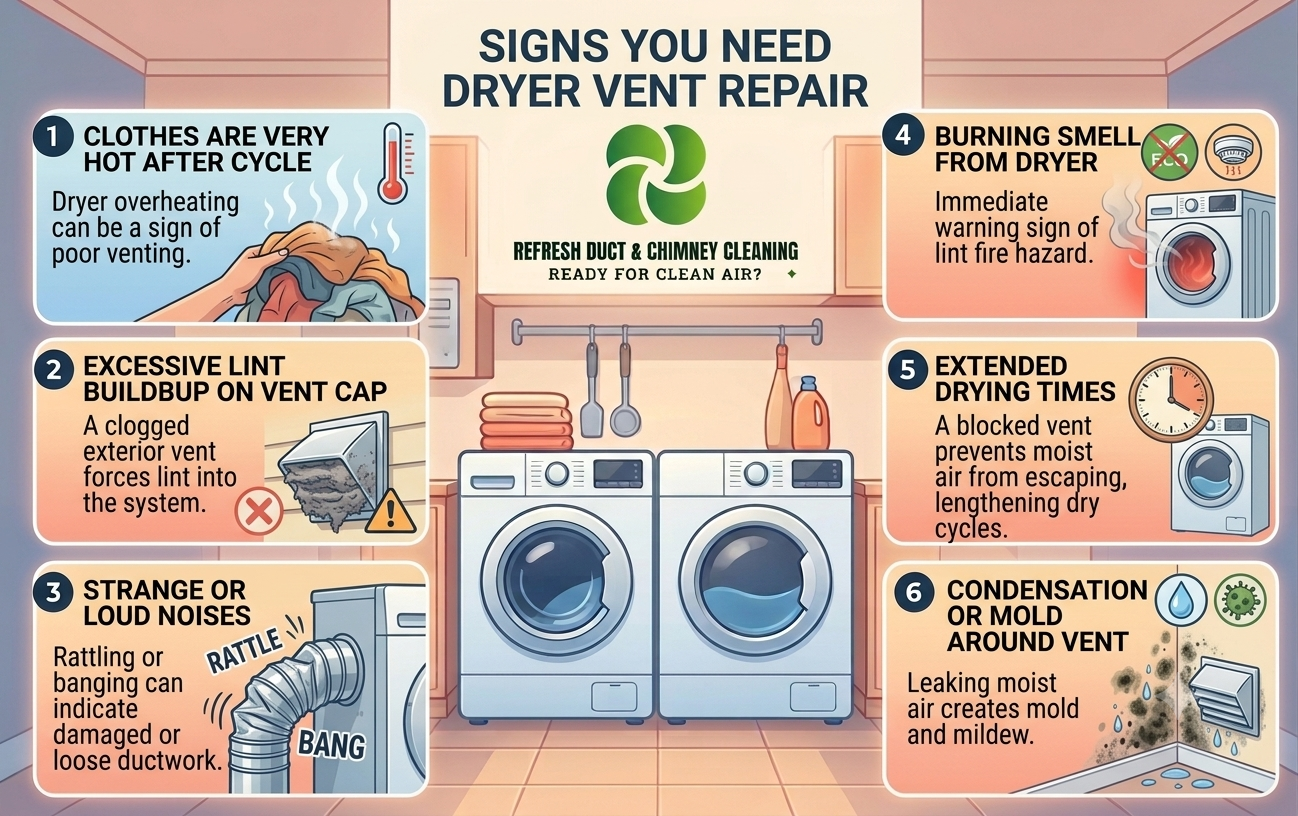
When your clothes begin taking much longer to dry completely, it serves as the first major indicator of a venting problem. This sluggish performance means that hot, moisture-laden air cannot escape the system properly due to a severe structural restriction or clog. Consequently, excessive backpressure builds up inside the dryer drum, which can easily cause sensitive internal components to burn out prematurely.
If you notice that a standard laundry load requires two full cycles instead of one, it may be time to schedule dryer vent cleaning Los Angeles. This drop in efficiency often indicates restricted airflow caused by lint buildup. Addressing the problem quickly protects your appliance investment and restores the fast drying performance you rely on every week.
Understanding Dryer Vent Damage
Dryer vent damage typically originates when excessive lint accumulates deep inside the pipe or when the physical line breaks apart completely. Over time, heavy vibration from the appliance can cause loose duct joints to separate entirely behind your laundry room walls. When this separation happens, hot and humid air leaks directly into your home’s interior framework rather than exiting safely outdoors.
If left unaddressed, this hidden moisture accumulation creates a perfect breeding ground for structural rot and toxic mold growth. Physical damage diminishes the overall lifespan of the appliance, making it highly unreliable and dangerous to use during daily routines. Understanding how this damage progresses highlights why you must fix broken lines quickly to maintain a safe living environment.
Importance of Timely Maintenance
- Performing timely repairs and regular maintenance on your dryer vent line can save you from facing massive unexpected home repair expenses.
- A fully functional, unrestrictive vent pipe allows the dryer to consume significantly less energy while drying your clothing much faster overall.
- To maintain a completely safe working system, homeowners must fix any structural cracks, deep sags, or internal blockages immediately.
- Allowing maintenance tasks to slide often results in a completely blocked line that threatens the structural safety of your home.
- Taking care of small repairs early remains the smartest and most cost-effective decision for long-term appliance management.
- Consistent upkeep guarantees that the system handles daily laundry demands safely without putting undue strain on your house.
Risks of Ignoring Vent Issues
Ignoring ongoing dryer vent issues presents a severe safety hazard to your household because it directly increases house fire risks. When superheated air cannot escape through the exhaust, internal temperatures rise to dangerous levels, which can easily ignite trapped lint. Additionally, gas-powered dryers with restricted vents can cause dangerous carbon monoxide gas to back up directly into your living spaces.
This odorless, invisible gas is highly toxic and poses an immediate threat to the health and well-being of your family. Massive energy waste, skyrocketed utility bills, and complete appliance failure are also direct consequences of leaving these issues completely unresolved. Therefore, you should never treat venting problems lightly or delay the necessary repairs required to secure your home.
Clothes Taking Too Long to Dry
Restricted airflow prevents moisture from leaving the drum, leaving garments damp after a normal cycle. You are forced to run multiple consecutive cycles, which wastes time and wears out clothing fabrics.
Burning Smell from the Dryer
When a vent line is heavily clogged or damaged, you will notice a strong burning odor during operation. This smell indicates that trapped lint is overheating near the heating element and risks catching fire.
Dryer Gets Unusually Hot
If the exterior housing of the appliance or your clothes feel excessively hot to the touch, airflow is blocked. Without a clear exit path, extreme heat builds up inside the machine instead of venting outside.
Excess Lint Behind the Dryer
Finding large piles of loose lint and dust accumulating directly behind your machine indicates a broken vent line. This sign means that air is actively leaking from loose joints or holes in the pipe.
Vent Flap Does Not Open
When the exterior exhaust hood flap remains completely closed while the dryer is running, a blockage is present. A stuck or broken flap confirms that air pressure cannot move freely through the ventilation duct.
High Utility Bills Each Month
A damaged vent forces your dryer to work twice as hard and run much longer to dry clothes. This unnecessary overworking causes an immediate, noticeable spike in your monthly home energy and electricity bills.
How to Inspect Your Dryer Vent
To properly inspect your dryer vent system, start by turning off the appliance and unplugging it from the wall. Carefully pull the machine forward to look closely at the flexible transition duct attached to the rear exhaust outlet. Examine the line thoroughly to see if it is crushed, flat, punctured, or leaking air at the connection joints.
Next, step outside your home while the dryer runs to verify if air is blowing out with strong force. Weak air movement at the exit point clearly indicates a heavy internal clog or a disconnected pipe section. Use a bright flashlight to look inside the line for any visible tears or holes that require patching.
Comprehensive Dryer Vent Troubleshooting Guide
| Issue Identified | Possible Root Cause | Recommended Repair Action |
| Clothes wet after full cycle | Heavy lint accumulation inside the pipe | Clear the entire length of the vent pipe completely |
| Strong burning smell during operation | Trapped lint overheating near the element | Shut off dryer immediately and inspect for internal clogs |
| Vent hood flap completely closed | Broken flap hinge or physical debris blockage | Clean the exterior hood or replace the damaged flap |
| Air leaking behind the dryer unit | Loose or completely disconnected joint | Reattach the vent hose firmly and secure with metal clamps |
| Visible plastic vent hose crushing | Weak material collapsing under slight pressure | Replace the flexible plastic with rigid metal venting |
| Disordered airflow at exterior exit | Birds or small pests nesting inside the pipe | Remove the nest safely and install a proper pest guard |
| Excess moisture in the laundry room | Cracks or holes along the length of the vent | Seal minor leaks with aluminum tape or replace section |
| Dryer shuts off before finishing | Thermal overload switch tripping due to heat | Repair the vent line to restore correct airflow speed |
| Excessive shaking or unusual noise | Heavy lint weight causing pipe imbalance | Secure loose mounting brackets and clear internal debris |
| Musty smell on dried garments | Standing water trapped inside sagging vent lines | Straighten the line to eliminate sagging and low spots |
Common Causes of Vent Damage
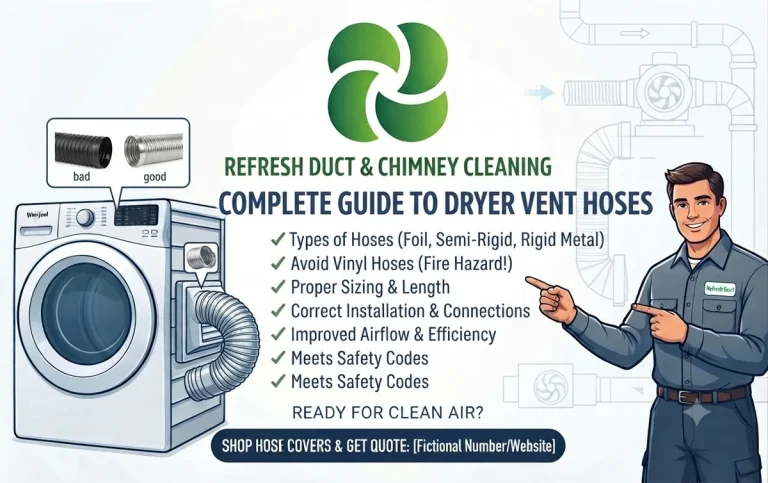
The primary cause of severe dryer vent damage is the installation of cheap, flexible plastic or foil hoses. These flimsy materials crush incredibly easily under slight pressure and develop tears that allow humid air to leak out. Furthermore, planning an excessively long ventilation path with too many sharp turns creates natural resting places for lint accumulation.
Outdoor pests, including birds and rodents, also frequently enter unprotected exhaust hoods and build nests that ruin the ductwork. Over time, the constant vibration generated by normal drying cycles gradually loosens structural joints, causing them to separate completely.
Animal Nests Inside the Line
Small pests enter unprotected exterior vents and build nests that completely choke off system airflow. This restriction stops air from escaping, making immediate removal and professional repair absolutely necessary.
Crushed or Bent Vent Hoses
Pushing the heavy dryer too close to the laundry room wall flattens the flexible rear transition duct. This crushing action pinches the line shut, stopping air movement and destroying the pipe structure.
Poor Quality Installation Materials
Using flimsy foil or plastic hoses instead of rigid metal lines often leads to early tearing and punctures. These weak materials cannot withstand long-term heat exposure and degrade rapidly under normal use.
Long Vent Pipe Runs
When a ventilation line is excessively long, air pressure drops significantly before reaching the exterior wall. This weak airflow causes heavy lint particles to settle inside the line, creating massive blockages.
Loose Joint Connections
The persistent structural vibration produced by a running dryer can cause unsecured duct joints to pull apart. Separated joints allow vast amounts of humid air to escape into your home walls.
Age and General Wear and Tear
Like any home component, metal dryer vents degrade over time, rust out, and suffer from structural wear. Older vent lines eventually develop small holes and brittle sections that require complete modern replacement.
Benefits of Professional Repair Services
- Hiring a professional repair technician ensures that your entire ventilation system is fixed using the correct specialized tools and experience.
- Experts can easily locate hidden leaks, deep clogs, and structural joint separations hidden deep inside your walls.
- A proper repair job restores your dryer’s original factory performance levels while eliminating dangerous household fire hazards instantly.
- Restoring unobstructed airflow reduces the operational load on the machine’s motor, extending its overall life by several years.
- Professional work provides permanent, code-compliant solutions that give homeowners lasting peace of mind and protection against future issues.
Conclusion
Dryer vent repair is an essential home maintenance task that should never be neglected for the sake of safety. This article has highlighted the critical warning signs of vent failure, including long drying cycles, burning odors, and spiked bills. Addressing these issues quickly not only protects your expensive appliance from burning out but keeps your entire household secure.
Always utilize high-quality, rigid metal materials for your ductwork and rely on professional repair services whenever severe damage occurs. Keeping your exhaust line perfectly clear is the best way to safeguard your property and maintain low energy costs. Staying vigilant and checking your vent line regularly ensures your laundry system runs smoothly, safely, and efficiently for years.
FAQs
1. How often should I get my dryer vent repaired or cleaned?
You should have your dryer vent system thoroughly inspected and cleaned at least once every single year. Households that manage heavy laundry loads daily should consider checking the line twice a year to prevent deep blockages.
2. Can a damaged dryer vent cause a house fire?
Yes, a blocked or damaged dryer vent is a leading cause of accidental residential fires in modern homes. When highly flammable lint accumulates inside a restricted, overheating duct line, it can ignite very easily.
3. Why does my dryer smell like something is burning?
A burning smell means your vent line is blocked, forcing superheated air to trap inside the machine. This extreme heat begins scorching the lint accumulated near the heating element, posing an immediate fire hazard.
4. What is the best material for a long-lasting dryer vent?
Rigid heavy-gauge metal or aluminum piping is universally considered the safest and most durable material for dryer venting. These solid pipes do not crush easily and feature smooth interior walls that prevent lint buildup.
5. Why are my clothes still damp after a normal drying cycle?
If garments remain damp after a full cycle, your vent line is likely crushed or heavily clogged. When humid air cannot escape the machine, the moisture simply stays trapped inside the drum with your clothes.
6. Is it safe to use flexible plastic hoses for my dryer?
No, flexible plastic hoses are highly dangerous because they are easily crushed and melt quickly under high heat. Modern residential building codes recommend replacing plastic venting with solid, fire-safe rigid metal ducts immediately.
7. How do I know if my exterior vent flap is working properly?
Walk outside your home while the dryer is running and check if the exhaust hood flap is open. If the flap stays closed or you feel no air moving, a blockage exists.
8. Can I repair a small leak in the dryer vent myself?
You can temporarily seal a minor, accessible joint leak using specialized professional aluminum foil tape. However, for long-term safety, any severely punctured or heavily corroded section of pipe should be completely replaced.
9. Why is there water dripping from my dryer vent pipe?
Water dripping indicates that warm, moist air is cooling down too quickly and turning into liquid condensation inside. This pooling usually happens when a vent line sags downward or is restricted by a clog.
10. Does a clean dryer vent help reduce monthly electricity bills?
Yes, a completely clean and properly repaired vent duct allows your dryer to finish cycles much faster. By reducing total appliance running time, you save substantial amounts of monthly energy and lower utility costs.