
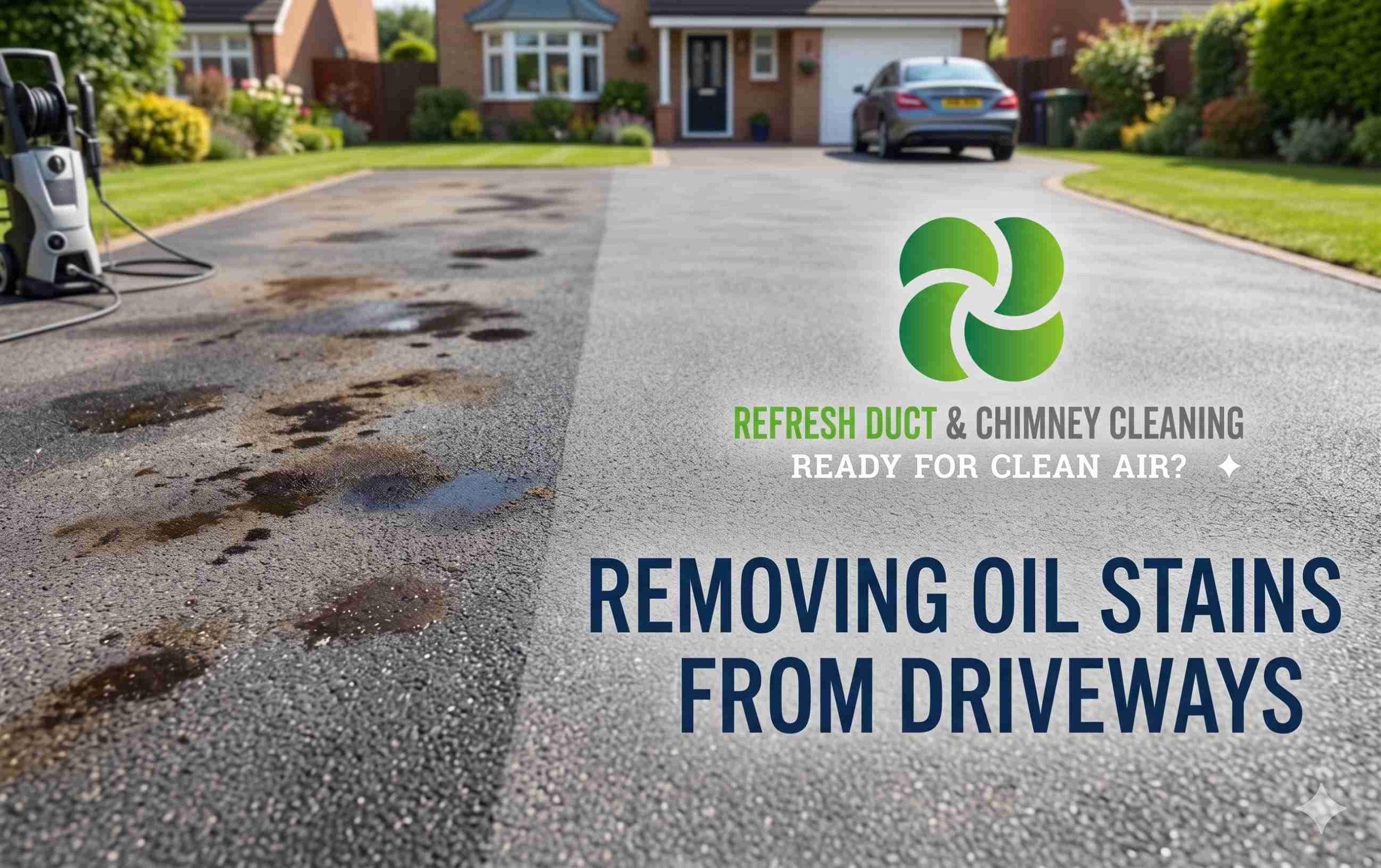
Oil stains on driveways are one of the most common issues homeowners face. These unsightly marks can make driveways look neglected and reduce the overall appeal of your property. Beyond aesthetics, oil stains can create slippery surfaces, posing safety hazards for family members and guests.
Understanding Removing Oil Stains from Driveways is essential to maintain both the beauty and safety of your home. Prompt action can prevent permanent damage to driveway materials like concrete and asphalt. With the right techniques, even stubborn and old stains can be effectively removed without expensive repairs.
Why Removing Oil Stains from Driveways Is Important?
Removing oil stains is not just about aesthetics; it also plays a critical role in maintaining the structural integrity of your driveway. Oil can seep into porous surfaces like concrete, weakening the material over time. If ignored, stains can become permanent and more difficult to remove.
Protecting Driveway Surface Integrity
Oil penetrates deep into concrete and asphalt, causing gradual deterioration. Over time, this weakens the surface and may lead to cracks or damage. Regular cleaning helps preserve the durability of your driveway.
Enhancing Curb Appeal and Property Value
A clean driveway significantly improves the appearance of your home. Oil stains can make even a well-maintained property look neglected. Removing stains enhances curb appeal and increases property value.
Preventing Long-Term Damage
If oil is not cleaned promptly, it can lead to permanent staining and structural damage. Early removal prevents costly repairs and resurfacing in the future.
Maintaining Environmental Safety
Oil stains can wash into drainage systems during rain, causing environmental contamination. Proper cleaning helps prevent harmful pollutants from spreading.
Common Causes of Driveway Oil Stains
Oil stains are usually caused by vehicle leaks, but other factors can contribute to their formation. Knowing the cause helps select the most effective removal method.
Cars, trucks, and motorcycles often leak engine oil, transmission fluid, or brake fluid onto the driveway. Small machinery like lawnmowers, generators, and snow blowers can also drip oil or grease, creating concentrated stains. Over time, these oil deposits penetrate porous surfaces, making cleanup more difficult.
Vehicle Leaks
- Cars and Trucks: Engine and transmission leaks leave dark, noticeable marks on driveways.
- Motorcycles: Oil from motorcycles can penetrate surfaces faster due to concentrated, small leaks.
- Older Vehicles: Rusting or poorly maintained engines increase the likelihood of continuous dripping.
Household Equipment
- Lawn mowers and other machinery may drip oil during storage or maintenance.
- Ensuring proper containment and cleaning spills immediately prevents long-term stains.
Effects of Oil Stains on Driveways
Oil stains on driveways do more than just look unsightly—they can cause long-term damage if left untreated. The chemicals in motor oil can penetrate porous surfaces like concrete or asphalt, weakening the material over time. This can lead to cracks, erosion, and a rough, uneven surface that not only reduces curb appeal but also creates potential safety hazards.
Surface Discoloration
Oil stains leave dark, persistent marks that make driveways look dirty and neglected. These stains can become more difficult to remove the longer they remain untreated.
Material Degradation
Prolonged exposure to oil can break down asphalt or concrete, causing cracks and surface deterioration. This reduces the lifespan of the driveway and may lead to costly repairs.
Slip Hazards
Oil on the driveway creates a slippery surface, especially when wet. This increases the risk of slips and falls for both pedestrians and vehicles.
Attracts Dirt and Debris
Stained areas tend to trap dust, dirt, and other debris, making the driveway look even messier. Regular cleaning is necessary to prevent buildup.
Reduces Property Value
A driveway covered in oil stains negatively impacts the overall appearance of a home. Maintaining a clean, stain-free driveway can improve curb appeal and preserve property value.
DIY Methods for Removing Oil Stains
Oil stains on driveways, garages, and patios can be stubborn, but DIY methods make it possible to remove them without hiring a professional. Acting quickly is key, as fresh stains are easier to treat than old, set-in marks. Using common household products and a few simple techniques, you can restore your surfaces while saving time and money. Consistent care and the right approach prevent damage and keep your outdoor areas looking clean.
Use Baking Soda or Cornstarch
Sprinkle baking soda or cornstarch over the oil stain and let it sit for 15–30 minutes. These powders absorb the oil, making it easier to scrub away with a stiff brush.
Apply Dish Soap
Dish soap is designed to break down grease, making it effective for oil stains. Apply directly to the stain, scrub gently, and rinse with warm water.
Try Cat Litter for Fresh Spills
For fresh oil spills, cover the area with clay-based cat litter to soak up excess oil. Leave it for several hours before sweeping it away and cleaning the surface.
Use Commercial Degreasers
Eco-friendly degreasers or driveway cleaners can tackle tougher, older stains. Follow the manufacturer’s instructions for application and rinsing.
Pressure Washing
After applying your chosen treatment, use a pressure washer on a low-to-medium setting to remove residual oil and cleaning solution. This ensures a thorough clean without damaging the surface.
Repeat if Necessary
Stubborn stains may require multiple treatments. Be patient and repeat the process until the surface is fully restored.
Here’s a detailed, comprehensive table with multiple methods, steps, and considerations:
| Aspect | Problem Description & Risks | Effective Removal Methods & Products | Step-by-Step Instructions & Tips | SoCal-Specific Considerations & Precautions |
|---|---|---|---|---|
| Fresh/Wet Stains | Oil still liquid; soaks quickly into concrete/asphalt pores if not absorbed immediately. | Absorbents (clay cat litter, baking soda, cornstarch, sand); WD-40 for light fresh spots. | 1. Blot excess oil. 2. Cover thickly with absorbent. 3. Let sit 30 min–overnight. 4. Sweep up. 5. Scrub with dish soap + hot water. 6. Rinse minimally. | Act fast before Santa Ana winds or heat set the stain. Use minimal water to comply with local restrictions. |
| Old/Set-In Stains | Deeply embedded; sun-baked and harder to remove. Multiple treatments often needed. | Concrete degreasers (Simple Green Pro HD, Purple Power, Oil Eater, Pour-N-Restore); TSP substitute; enzymatic cleaners. | 1. Sweep area. 2. Apply degreaser liberally. 3. Let dwell 15–60 min (or overnight for tough ones). 4. Scrub vigorously with stiff brush. 5. Rinse or pressure wash on low. Repeat as needed. | Wildfire ash + oil can create worse messes. Test small area first on colored concrete. |
| Concrete Driveways | Highly porous; stains penetrate deeply. Common in SoCal homes. | Baking soda + dish soap paste; laundry detergent (Tide + OxyClean); commercial poultice or microbial cleaners. | Make paste, apply thick layer, cover with plastic, leave 24 hrs, scrub & rinse. For microbes: spray, keep moist, let “eat” oil over days. | Seal concrete driveways every 2–3 years to prevent future stains. Avoid runoff into streets (fines possible). |
| Asphalt Driveways | Softer surface; solvents can soften asphalt if overused. | Simple Green, Purple Power, or mild degreasers. Avoid harsh solvents. | Apply undiluted, scrub gently, rinse with low pressure. Multiple lighter applications better than one aggressive one. | Less common than concrete but requires gentler approach. Heat makes asphalt more vulnerable. |
| Pressure Washing | Effective for final cleanup but uses water and risks spreading oil. | Hot water pressure washing (1500–3000 PSI) with degreaser + surface cleaner attachment. | Pre-treat with degreaser, then wash at low angle, moving wand steadily. Use containment for runoff. | Check local water restrictions — often limited during droughts. Use hot water for better oil breakdown with less water. Hire pros for compliance. |
| Eco-Friendly / Natural | Safer for environment, pets, and plants; good for runoff concerns. | Baking soda, vinegar (50/50), Dawn dish soap, enzymatic microbial products (Oil Spots Gone, Oil Eater microbes). | Apply, scrub, let sit in sun (sun helps activate some). Rinse sparingly. | Ideal for SoCal — biodegradable options reduce pollution risk to oceans/waterways. Microbial cleaners continue working over time. |
| Heavy Commercial Stains | Transmission fluid, motor oil buildup from older vehicles. | Professional hot-water degreasing or specialized poultice products; TSP alternatives. | Multiple applications + scrubbing or professional service. | Common in areas with older cars or frequent vehicle maintenance. Bundle with full exterior cleaning. |
| Prevention | Recurring leaks create ongoing problem. | Vehicle maintenance; drip trays or mats under parked cars; regular sealing of driveway. | Park on mats; fix leaks promptly; re-seal surface periodically. | Extremely useful in dry, dusty SoCal where stains show more and are harder to clean. |
| Warning Signs & When to Call Pros | Dark spots that don’t fade; large areas; stubborn after 2–3 DIY attempts. | Professional pressure washing or oil stain removal services. | Pros use specialized equipment and containment for runoff. | Recommended after oil changes or if HOA rules apply. Cost-effective for large driveways. |
| Tools & Supplies Needed | Basic to advanced depending on method. | Stiff brushes, absorbents, degreasers, pressure washer (optional), gloves, eye protection, plastic sheeting. | Gather supplies before starting to avoid spreading stain. | Low-water tools and containment kits important for drought compliance. |
| Safety & Environmental | Chemicals can irritate skin; runoff harms waterways. | Wear PPE; contain runoff; use biodegradable products. Dispose of oily materials properly. | Never pour solvents down drains. | Strict SoCal rules against washing pollutants into storm drains. Check city guidelines (e.g., LA, San Diego). |
Commercial Products for Tough Stains
Older or larger stains often require commercial cleaning products. These are designed specifically for oil and grease removal on driveways.
Professional-grade degreasers save time and effort, especially on stubborn stains. Always follow product instructions carefully to avoid damaging the driveway surface.
Types of Commercial Cleaners
- Degreasers: Break down heavy oil and grease deposits.
- Powdered Cleaners: Absorb oil and allow for scrubbing without harsh chemicals.
- Pressure Washing Solutions: Combine cleaning agents with high-pressure water to remove deep-set stains.
Pressure Washing Techniques
Pressure washing is highly effective for removing stubborn oil stains. It allows water to penetrate porous driveway surfaces and lift embedded oil residues.
When combined with degreasers or detergents, pressure washing can remove even the most persistent stains. Care must be taken to avoid surface damage, particularly on older concrete or asphalt.
How to Pressure Wash
- Pre-treat stains with a degreasing solution.
- Use a moderate pressure setting to prevent driveway etching.
- Rinse thoroughly to remove all residues and chemicals.
Types of Oil Stains and Their Difficulty Levels
Different types of oil stains require different cleaning approaches. Some are easier to remove than others, depending on how long they have been present.
Fresh Oil Stains
Fresh stains are the easiest to remove. Immediate action can prevent oil from penetrating deeply into the surface.
Old and Set-In Stains
Old stains are more difficult to remove because oil has already soaked into the material. These require stronger cleaning agents.
Heavy Grease Stains
Grease-based stains are thicker and harder to remove. They often require degreasers and repeated cleaning.
Weather-Affected Stains
Exposure to heat and rain can make stains more stubborn. Weather can bond oil to the driveway surface over time.
Factors Affecting Cleaning Effectiveness
Several variables determine how easily oil stains can be removed. Driveway surface type, stain age, and environmental conditions all influence results.
New concrete may tolerate stronger chemicals, while asphalt surfaces require gentler methods. Proper selection of cleaning agents and techniques ensures optimal results without damage.
Key Considerations
- Surface Type: Concrete, asphalt, or pavers require different approaches.
- Stain Age: Fresh stains are easier to clean than old, set-in ones.
- Environmental Safety: Avoid chemicals that could harm plants or soil.
- Available Tools: Brushes, brooms, or pressure washers affect cleaning efficiency.
Preventive Measures to Avoid Future Stains
Preventing future stains on driveways, patios, and garage floors is easier than repeatedly cleaning stubborn oil or grease marks. By taking proactive measures, you can protect surfaces from damage, maintain a clean appearance, and reduce maintenance time. Simple habits and protective solutions help minimize the risk of spills and make any accidental messes easier to handle.
- Regular Vehicle Maintenance: Fix leaks promptly to prevent drips from reaching the driveway. Oil leaks left untreated create recurring stains.
- Use Oil Drip Pans: Place pans under vehicles during maintenance to catch spills. This prevents oil from seeping into driveway surfaces.
- Seal Driveway Surfaces: Applying a sealant protects concrete and asphalt from oil penetration. Sealed surfaces are easier to clean in the future.
- Clean Spills Immediately: Prompt removal prevents deep absorption and long-term staining.
- Protective Mats: Place mats under vehicles that frequently leak. Mats provide a barrier to protect your driveway surface.
- Scheduled Inspections: Regularly check driveways for early signs of staining. Early intervention prevents stubborn buildup.
- Educate Household Members: Teach family members to handle machinery carefully. Awareness reduces accidental spills.
- Routine Cleaning: Sweep or wash driveways periodically to minimize oil accumulation. Regular maintenance keeps surfaces clean and safe.
Conclusion
Removing oil stains from driveways is an essential part of maintaining your property’s appearance and structural integrity. Whether you are dealing with fresh spills or old, stubborn stains, using the right methods can make a significant difference. Regular maintenance, immediate action, and proper cleaning techniques ensure long-lasting results and a clean driveway.
By understanding the causes, prevention methods, and effective cleaning techniques, homeowners can keep their driveways in excellent condition. Investing time in proper maintenance not only enhances curb appeal but also protects your property from long-term damage. Keeping your driveway clean is a simple yet powerful way to maintain your home’s overall value.
Frequently Asked Questions (FAQs)
1. Can oil stains be removed from asphalt as easily as from concrete?
Yes, but asphalt is more porous, so older stains may require stronger cleaners or repeated treatments.
2. How long should baking soda sit on a stain?
Allow 15–30 minutes for absorption before scrubbing. Immediate treatment gives the best results.
3. Is pressure washing safe for old driveways?
Use moderate pressure to avoid surface damage. Test a small area first.
4. Can dish soap remove set-in oil stains?
Yes, degreasing dish soap works well when combined with scrubbing.
5. How often should driveways be sealed to prevent stains?
Every 1–3 years, depending on driveway material and usage.
6. Are commercial degreasers safe for nearby plants?
Choose biodegradable options and follow product instructions to minimize environmental impact.
7. Can vinegar remove old, stubborn stains?
Vinegar helps, but tough stains may need degreasers or repeated scrubbing.
8. How can I prevent recurring oil stains?
Fix leaks, use drip pans, and clean spills immediately to reduce recurrence.