
Maintaining a smooth running household requires consistent attention to various appliances that simplify our daily responsibilities. Among these essential machines, the clothes dryer plays a critical role in keeping our laundry fresh, clean, and perfectly dry throughout the seasons.
However, many homeowners often overlook the hidden passage that channels hot air, dampness, and lint particles out of the laundry environment safely. When this particular pathway is neglected, the entire drying system begins to lose its operational efficiency, leading to multiple avoidable problems.
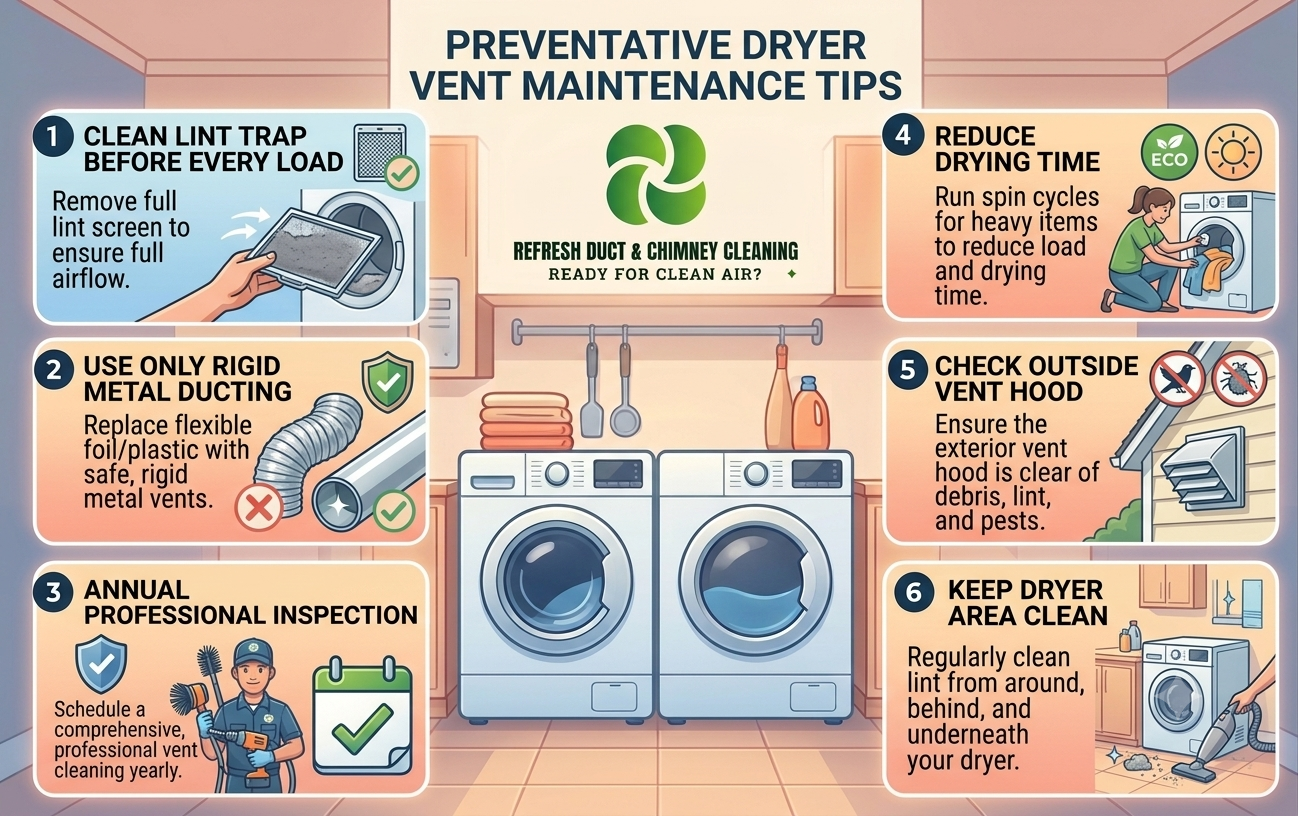
Preventative Dryer Vent Maintenance Tips
Implementing effective dryer vent cleaning Los Angeles strategies is vital for maintaining a safe and highly efficient home environment. The core focus of proactive maintenance is to prevent the natural accumulation of lint and fabric fibers before they create restrictive blockages inside the vent system.
By adopting a standard routine, you can easily avoid the gradual buildup that typically forces your machine to overwork during standard cycles. Every single load of laundry sheds tiny micro-fibers that bypass the main filter and settle along the inner walls of the ductwork.
Understanding the True Value of System Efficiency
When an exhaust pipe is kept clean and free from obstructions, the internal thermodynamics of your appliance function exactly as the manufacturer intended. Hot, moisture-laden air can travel freely through the ductwork and exit the structure rapidly without facing any backpressure or structural resistance.
This unrestricted movement means your clothes dry much faster, reducing the amount of time the heating element needs to remain active. When cycles are completed quickly, the mechanical motor and belt systems experience significantly less operational friction and wear over their lifetime.
Common Indicators that Your System Needs Urgent Care
- Learning how to read the early signs of a struggling exhaust system is essential for preventing complete mechanical breakdown or safety emergencies.
- The most obvious indicator that airflow is restricted is when a standard load of heavy towels or denim takes multiple cycles to dry.
- You might also notice that the outer casing of the appliance or the laundry room itself feels uncomfortably hot during operation.
- A faint, musty odor coming from the drum or your clean clothes suggests that humid air is trapped inside the system framework.
- Sometimes, the external vent hood flap on the outer wall fails to lift up properly when a cycle is actively running.
- Visual clues like thick lint collections gathering around the base of the machine or spilling from the rear wall connection are clear warnings.
- Paying close attention to these minor performance changes allows you to address blockages before they turn into expensive mechanical issues.
The Direct Relationship Between Clean Vents and Utility Savings
Operating an appliance with a clogged exhaust path drains an incredible amount of extra energy from your household budget every single month. Because the machine cannot exhaust the moist air efficiently, it has to run for extended periods, consuming extra electricity or gas continuously.
This unnecessary power usage quickly adds up, inflating your monthly utility expenses without providing any extra benefit or improved performance results. Clean pathways, on the other hand, allow the internal sensors to accurately detect moisture levels and shut off the machine on time.
Cleaning the Removable Internal Screen
The absolute first line of defense against system blockages is the small mesh screen located inside the dryer door or top panel. Wiping this filter clean before every single cycle catches the vast majority of loose fabric fibers immediately as they separate.
Clearing the Deep Filter Housing
While the primary mesh screen traps large fibers, smaller particles frequently slip past the edges and settle into the deep cavity below. Over several weeks, this hidden housing area fills with dense debris that a standard hand-wipe cannot reach or clear out.
Upgrading to Solid Metal Ducts
Many older setups still use flexible white vinyl or plastic transition hoses to connect the back of the machine to the wall. These plastic materials are highly dangerous because their ribbed inner surfaces trap debris quickly and they melt easily under extreme heat.
Clearing Exterior Hood & Flaps
The point where the exhaust line exits your home requires regular structural evaluation to ensure it remains completely clear of obstacles. Over time, outdoor elements like weeds, dried leaves, spiderwebs, or even small bird nests can block the swinging exit doors.
Managing Complex Duct Paths
The physical path that your exhaust pipe takes through walls or ceilings heavily impacts how fast debris accumulates inside the system. Straight, short runs are highly efficient, while long paths with multiple ninety-degree elbow turns create natural friction points where dust drops.
Scheduling Seasonal Winter Clearances
During the colder months of the year, households naturally wash and dry much heavier clothing items like sweaters, coats, and thick blankets. These specific fabrics shed an incredible volume of thick, heavy lint that can quickly overwhelm a standard system within a short timeframe.
Tools and Safety Measures for Comprehensive DIY Maintenance
Taking on the responsibility of cleaning your system requires the right tools and a strict adherence to basic household safety protocols. Before you begin any physical work, you must completely unplug the appliance from the electrical socket to avoid shock hazards entirely.
For gas-operated models, ensure the main fuel supply valve is securely shut off before moving the unit out from its position. Utilizing a specialized rotary duct brush kit attached to a power drill allows you to safely scour the rigid metal walls.
Comprehensive Comparison of Maintenance Strategies
| Maintenance Method | Frequency | Required Equipment | Primary Focus Area | Cost Factor | Overall Safety Rating |
| Post-Load Screen Wipe | After every cycle | Hand or microfiber cloth | Internal mesh screen filter | Zero cost | Excellent daily habit |
| Deep Housing Vacuuming | Monthly | Long crevice wand, vacuum | Internal trap cavity base | Very low cost | Prevents initial blockages |
| Transition Duct Check | Every 6 months | Screwdriver, foil tape | Rear connection hose | Low cost | Eliminates immediate fire risks |
| Full Interior Brushing | Annually | Rotary brush kit, power drill | Rigid wall pipe interior | Moderate DIY | Maximizes structural airflow |
| Exterior Hood Clearing | Monthly | Flashlight, small hand brush | Outside wall cap / flaps | Zero cost | Prevents outdoor blockage |
| Professional Inspection | Every 1-2 years | Industrial air tools / vacuums | Complete structural path | Higher expense | Best for complex setups |
How Professional Inspections Complement Your Daily Maintenance Routine
While standard DIY practices are excellent for managing accessible areas, professional inspections provide a deeper level of security for complex structures. Experienced technicians possess specialized tools like high-pressure air snakes and industrial-strength vacuums that easily clean paths running deep through walls.
They can also use specialized video cameras to peer inside the entire length of the line to check for hidden structural damage. Professionals are trained to identify loose joints, pinhole leaks, or sagging sections that might be causing condensation puddles inside ceilings.
Preventing Accidental Laundry Fires
Packed lint is an exceptionally flammable substance that can easily spark if the appliance’s internal temperature gets too high. When an exhaust pipe is restricted, heat builds up rapidly inside the heating element chamber until it reaches dangerous levels.
Protecting Motor from Premature Burnout
When air cannot escape freely, it creates heavy backpressure that forces the main motor to work much harder to spin the drum. This constant overworking causes internal electrical components to overheat, breaking down lubricating oils and accelerating mechanical wear and tear.
Preventing Carbon Monoxide Buildup
Gas-powered laundry appliances produce small amounts of carbon monoxide as a natural byproduct of the heating fuel combustion process. In a healthy system, this invisible, odorless gas is mixed with hot air and safely vented completely outside the structure.
Avoiding Costly Structural Water Damage
Every load of wet laundry contains a massive volume of water that must be transformed into vapor and carried out. If the vent line is restricted, this hot moisture cools down inside the pipe and turns back into standing liquid water.
Preserving Fabric & Clothing Lifespan
When an appliance struggles with poor airflow, it keeps clothes trapped in high-heat environments for twice as long as necessary. This extended exposure to intense heat breaks down delicate fabric fibers, causing clothes to shrink, fade, and wear out prematurely.
Documenting Maintenance History for Value
Keeping a simple log of every time you clean or inspect your exhaust system is an excellent organizational practice. Noting down dates, tool replacements, or professional visits removes all guesswork from your household chores and keeps you fully accountable.
Long-Term Advantages of a Meticulously Maintained Exhaust Path
- Committing to a permanent schedule of preventative maintenance brings incredible advantages that extend far beyond simple appliance performance.
- Your entire household benefits from a more predictable routine, as drying times remain consistent regardless of the weather conditions outside.
- You will experience a peaceful peace of mind, knowing that you have actively eliminated one of the most common fire hazards found in modern homes.
- The financial rewards show up consistently in your lower monthly power bills and the extended years of service your machine provides.
- Furthermore, reducing energy waste supports a more sustainable lifestyle, aligning your daily domestic habits with modern environmental conservation principles.
- The small amount of effort required to manage your exhaust infrastructure pays massive dividends in safety, comfort, and financial predictability.
Conclusion
Prioritizing preventative dryer vent maintenance tips is a foundational step toward ensuring a safe, efficient, and cost-effective home environment. For busy individuals managing households, tracking this simple chore avoids the severe disruptions caused by sudden machine failure and unexpected repair costs.
Clean exhaust lines guarantee that air moves exactly as engineered, allowing the appliance to dry clothes fast while conserving valuable household electricity. By matching your specific cleaning habits to the design and usage of your appliance, you completely eliminate dangerous lint accumulation risks.
FAQs
- How often should I perform a complete check on my dryer vent system?
It is highly recommended to perform a thorough, deep cleaning of the entire vent line at least once a year. However, if you have a large family or shedding pets, you should check it every six months. - What is the best way to clean out the internal lint trap slot completely?
The best method is to use a long, flexible wire brush combined with a thin vacuum crevice attachment tool. First, use the brush to scrape and loosen the packed debris stuck along the bottom walls of the housing cavity. - Can a blocked exhaust pipe cause my laundry appliance to shut off automatically?
Yes, modern appliances are equipped with internal safety thermal fuses that automatically shut the machine down if it gets too hot. When air cannot escape, the internal temperature spikes rapidly, tripping this safety switch to prevent a serious fire outbreak. - Why is aluminum foil tape preferred over standard plastic duct tape for repairs?
Aluminum foil tape is engineered to withstand the continuous high temperatures and moisture levels generated by the appliance’s exhaust air. Standard plastic duct tape has an adhesive that dries up, degrades, and unsticks quickly under constant heat conditions. - Is it normal for the exterior vent wall flap to stay closed during a cycle?
No, the exterior wall flap should always swing wide open whenever the appliance is actively running and blowing air out. If it stays closed during a cycle, it means either the flap is stuck or the airflow is severely blocked inside. - How do I know if my long exhaust pipe has too many elbow turns?
If your clothes consistently take over an hour to dry and the line has more than two bends, friction is likely trapping air. Every ninety-degree turn slows down the air velocity, causing lint to drop and accumulate faster at those specific joints. - Can a dirty exhaust line really make my clean clothes smell musty?
Yes, when the damp, humid air cannot escape the pipe, it remains trapped inside the drum with your wet clothes. This stagnant moisture creates a humid environment where musty odors develop rapidly before the cycle can even finish tumbling. - What are the main dangers of using a flexible white plastic transition hose?
Flexible white plastic hoses are highly dangerous because they are highly flammable and restrict air due to their ribbed interior walls. They sag easily, creating low spots where water condensation and lint collect to form solid, heavy clogs. - Should I hire a professional technician if my vent exits through the roof?
Yes, if your exhaust line exits through a high roof cap, it is much safer to hire an experienced professional. They have the proper safety ladders and high-pressure industrial equipment to clear long vertical pipes without risking falls or structural damage. - Does regular vent maintenance really help my clothes last longer over time?
Yes, because clear paths allow clothes to dry much faster at normal temperatures, minimizing the overall time fabrics spend tumbling. Excessive heat and prolonged tumbling break down delicate clothing fibers, causing clothes to shrink, fade, and wear out early.