
Summer heat in California can place extreme stress on HVAC systems, leading to inefficient cooling, high energy bills, and unexpected breakdowns. Ensuring your system is fully prepared before peak heat is essential for maintaining comfort and preventing costly repairs. Homeowners who take proactive steps enjoy reliable HVAC performance even during the hottest months.
Preventing HVAC failures ahead of summer not only protects your home but also extends the lifespan of your system. Routine maintenance, cleaning, and inspections help identify minor issues before they escalate into major problems. By understanding key preparation strategies, California homeowners can stay cool, save energy, and avoid emergency service calls.
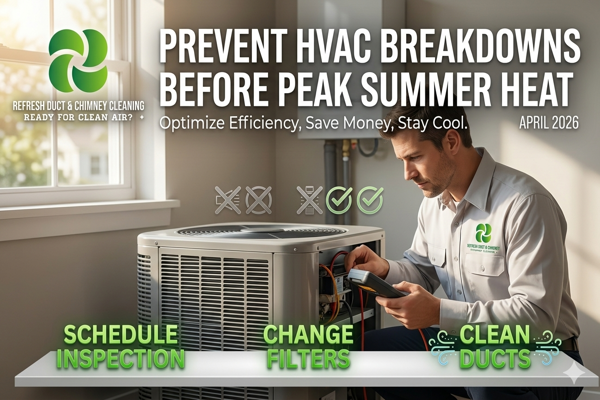
What Are the Primary Causes of HVAC Breakdowns Before Summer?
HVAC systems often fail due to a combination of neglect, wear and tear, and environmental stress. Common causes include dirty air filters, refrigerant leaks, electrical issues, and blocked airflow. Neglecting these issues can compromise cooling performance and lead to expensive repairs during peak summer.
Aging equipment, poorly sealed ductwork, and mechanical malfunctions also contribute to breakdowns. Homeowners may notice subtle signs like uneven temperatures or strange noises, which indicate potential problems. Addressing these early ensures the system operates efficiently when demand is highest.
Dirty Air Filters
Dirty filters reduce airflow and force the system to work harder than necessary. This not only increases energy consumption but also accelerates wear on components. Regularly replacing or cleaning filters ensures proper ventilation and extends HVAC lifespan.
Refrigerant Leaks
Low refrigerant levels compromise cooling efficiency and may damage the compressor. Leaks can also lead to higher electricity bills as the system struggles to maintain desired temperatures. Timely inspection and refill prevent long-term damage and improve performance.
Electrical Failures
Faulty capacitors, worn wiring, or damaged circuit boards can cause sudden system shutdowns. Electrical issues are often invisible until they cause a breakdown. Routine checks by certified technicians prevent hazards and improve system reliability.
When Should You Schedule HVAC Maintenance Before Summer?
Scheduling maintenance in late spring ensures your HVAC system is ready before the heat arrives. Waiting until the system is under full load increases the risk of breakdowns and higher repair costs.
Pre-summer maintenance typically involves cleaning, inspection, and minor repairs to optimize performance. Early preparation allows technicians to address potential problems, balance airflow, and verify system efficiency. Homeowners who follow a proactive schedule reduce the likelihood of emergencies and enjoy energy savings.
Pre-Summer Maintenance Checklist:
- Filter Replacement: Check and replace filters to improve airflow and remove allergens.
- Coil Cleaning: Clean evaporator and condenser coils to enhance heat transfer and reduce strain.
- Refrigerant Level Check: Ensure proper refrigerant charge to maintain cooling efficiency.
- Thermostat Calibration: Verify thermostat accuracy to prevent uneven temperatures.
- Electrical Inspection: Examine wiring, breakers, and capacitors for wear or damage.
How to Conduct Preventive HVAC Checks Before Peak Summer?
Preventive checks detect minor problems before they lead to breakdowns. Homeowners can perform basic inspections, while certified technicians handle detailed diagnostics and repairs.
Proper evaluation includes airflow assessment, duct inspection, electrical testing, and refrigerant verification. A well-maintained system operates efficiently, reduces energy costs, and provides consistent cooling even during extreme temperatures.
Airflow Inspection
Ensure vents and registers are clear of debris and obstruction. Adequate airflow prevents system strain and promotes uniform cooling throughout the home. Blocked airflow can overwork fans and compressors, increasing the likelihood of failure.
Checking Refrigerant Levels
Proper refrigerant levels are essential for effective cooling. Low refrigerant may indicate a leak, which can damage the compressor and reduce efficiency. Professional testing ensures optimal charge and performance.
Electrical Component Testing
Inspect capacitors, contactors, and circuit breakers for signs of wear or corrosion. Electrical malfunctions can cause sudden shutdowns, presenting both safety and performance risks. Routine inspection ensures reliable operation during peak demand.
Thermostat Functionality
Confirm that the thermostats are accurate and responsive. Faulty thermostats can cause uneven temperatures and unnecessary system strain. Replacing or recalibrating ensures comfort and energy efficiency.
Exhaustive Maintenance Checklist: Proactive Prevention vs. Crisis Management
Yahan ek nihayat lamba aur detailed table hai jo breakdown se bachne ke liye proactive steps aur unke na karne ke nuqsanat ka mukammal muwazna pesh karta hai:
| HVAC System Component | Proactive Preventive Action (Before Summer) | Neglected System Status (During Summer Peak) | Direct Impact on System Performance & Longevity |
|---|---|---|---|
| Air Filtration System | Replace filters every 30-90 days based on household pet occupancy. | Filter completely clogged with thick dust, dander, and fibers. | Causes indoor evaporator coils to freeze solid and burn out blower motors. |
| Outdoor Condenser Coils | Wash away dirt, leaves, and grass clippings with low-pressure water. | Coils caked in mud and debris, insulating the heat rejection fins. | Compressor overheats, draws excessive electricity, and short-cycles. |
| Condensate Drain Line | Flush the drain line with vinegar or clear with a wet-dry vacuum shop-vac. | Sludge and algae growth completely blocking the PVC drain channel. | Water backs up, causing ceiling leaks, mold, and safety switch shutdowns. |
| Electrical Capacitors | Test voltage and capacitance levels with a digital multimeter. | Bulging, leaking, or completely dead dual-run capacitors. | The compressor and fan motor fail to start, leaving you with zero cooling. |
| Refrigerant Charge Level | Verify optimal operating pressures using professional gauge manifolds. | Low refrigerant levels caused by tiny structural copper pinhole leaks. | Evaporator coil freezes, cooling output drops, and compressor gets ruined. |
| Blower Motor Assembly | Clean fan blades to balance weight and lubricate dry bearings. | Fan blades weighed down by dust, creating unbalanced vibration. | Overheating motor windings that lead to complete mechanical seizure. |
| Thermostat Calibration | Update software, replace old batteries, and verify sensor accuracy. | Dead batteries or loose control wiring causing faulty signals. | Incorrect temperature readings that lead to constant over-cooling or stalling. |
| Electrical Connections | Clean corroded terminals and tighten loose terminal block screws. | Loose wires arcing, melting plastic insulation, and shorting out. | Sudden loss of power to the outdoor unit or fried control circuit boards. |
| Ductwork Connections | Inspect visible runs for sagging sections and seal seams with mastic. | Leaky seams venting cold air into the unconditioned hot attic space. | System runs 40% longer to cool rooms, skyrocketing monthly energy bills. |
| Cabinet Contactor Switch | Inspect silver points for pitting, burn marks, or insect nesting. | Severely pitted or welded contacts sticking in the open/closed position. | Outdoor unit runs continuously even when the indoor thermostat turns off. |
| Evaporator Coil Fin Matrix | Inspect internal fins for mold blockage and apply biocidal spray. | Dust bypassed the filter, clogging the wet aluminum fin spaces. | Restricted airflow and foul, musty odors spreading through the home vents. |
| Supply & Return Registers | Keep all indoor ventilation grilles completely open and unobstructed. | Furniture or heavy drapes blocking the main return air grilles. | Distorts the pressure balance of the system, increasing compressor strain. |
Why Regular HVAC Maintenance Prevents Summer Failures?
Routine maintenance addresses wear and tear, ensures energy efficiency, and prevents emergency breakdowns. Systems neglected for long periods are more likely to fail during peak summer heat.
Proper care includes cleaning filters, coils, and ducts, checking refrigerant, and testing electrical components. Maintenance also improves indoor air quality by reducing dust, allergens, and microbial buildup.
Benefits of Regular Maintenance:
- Enhanced Airflow: Ensures consistent cooling in every room.
- Reduced Energy Bills: Lower strain translates to more efficient operation.
- Fewer Repairs: Early problem detection prevents costly breakdowns.
- Extended System Life: Routine upkeep reduces wear on major components.
- Improved Indoor Air Quality: Cleaner ducts and filters reduce allergens and dust.
Does Ductwork Condition Affect HVAC Reliability?
Yes, ductwork directly impacts system performance and efficiency. Leaks, blockages, and poor insulation can reduce airflow, forcing the HVAC system to work harder.
Maintaining ducts before summer ensures consistent temperature distribution and reduces energy waste. Proper duct care also prevents mold, dust accumulation, and other air quality issues.
Detecting Leaks
Duct leaks waste cooled air and create hot spots. Sealing leaks improves airflow and reduces strain on the system. Properly sealed ducts help maintain indoor comfort efficiently.
Cleaning Ducts
Dust, pollen, and debris accumulate in ducts over time. Regular cleaning improves air quality and reduces strain on fans and compressors. Clean ducts also minimize allergens circulating in the home.
Insulating Ductwork
Insulated ducts prevent energy loss and maintain consistent temperatures. This reduces system strain and lowers electricity bills. Well-insulated ducts also minimize condensation and potential mold growth.
How to Improve Energy Efficiency and Prevent Breakdowns?
Efficient HVAC systems are less prone to breakdowns and provide consistent cooling. Small changes and pre-summer preparation enhance performance.
Install Programmable Thermostats
Programmable thermostats maintain consistent temperatures without overcooling. They reduce energy use and lessen system stress during peak heat.
Ensure Proper Airflow
Keep vents clear and registers fully open to prevent strain on fans and compressors. Adequate airflow maintains consistent temperatures and prevents premature equipment failure.
Seasonal Cleaning
Clean coils, filters, and drain lines to remove dirt and debris. Regular cleaning prevents overheating and ensures the system operates efficiently during summer.
Cost Considerations for Pre-Summer HVAC Maintenance
Preventive maintenance is a small investment compared to emergency repairs. Costs include inspection, filter replacement, coil cleaning, and minor repairs.
Maintaining the system before summer reduces unexpected breakdowns and increases energy efficiency. Planning for regular maintenance helps homeowners save money and avoid disruption during peak heat.
Maintenance Cost Estimates:
| Service Type | Average Cost | Notes |
| Full System Inspection | $150-$300 | Identifies potential issues early |
| Coil Cleaning | $100-$250 | Improves cooling efficiency |
| Refrigerant Check/Recharge | $150-$350 | Maintains optimal performance |
| Filter Replacement | $20-$50 | Prevents airflow restriction |
Additional Preventive Tips to Avoid HVAC Failures
Preventing HVAC failures before they happen is much easier and more cost-effective than dealing with unexpected breakdowns. Regular care, timely inspections, and small adjustments can extend the life of your system and keep it running efficiently. By proactively addressing potential issues, you not only save money on repairs but also maintain consistent comfort and air quality in your home.
- Schedule Regular Inspections: Have a professional check your system at least twice a year, before summer and winter.
- Change Air Filters Frequently: Replace filters every 1–3 months to prevent dust buildup and improve airflow.
- Clean Coils and Vents: Ensure evaporator and condenser coils, as well as vents, are free from debris and dust.
- Check Thermostat Settings: Use programmable thermostats to avoid overworking the system and reduce energy consumption.
- Seal Duct Leaks: Inspect ductwork for holes or gaps and seal them to maintain proper airflow and efficiency.
- Keep Outdoor Units Clear: Remove leaves, dirt, or other obstructions around the outdoor condenser unit.
- Monitor Refrigerant Levels: Low refrigerant can strain the system, so have a technician refill it when needed.
- Listen for Unusual Noises: Strange sounds can indicate mechanical issues that need immediate attention.
Conclusion
Preventing HVAC breakdowns before peak summer heat ensures consistent comfort, energy efficiency, and system reliability. Proactive maintenance reduces repair costs and extends the life of your HVAC system.
By inspecting filters, cleaning coils, checking refrigerant, and maintaining ducts, California homeowners can avoid emergency failures. A strategic pre-summer maintenance plan guarantees reliable performance, improved indoor air quality, and peace of mind during the hottest months.
FAQs
1. How often should I schedule pre-summer HVAC maintenance?
Once a year, in late spring, is ideal. This prepares the system for peak summer demand.
2. Can I perform maintenance myself?
Basic tasks like cleaning filters and vents are DIY-friendly. Professional inspections are required for refrigerant and electrical work.
3. What are early warning signs of HVAC failure?
Strange noises, uneven cooling, or reduced airflow indicate potential problems. Addressing them early prevents full system breakdowns.
4. Does cleaning ducts prevent HVAC breakdowns?
Yes, clean ducts improve airflow and reduce strain on the system. This decreases the likelihood of overheating or mechanical failure.
5. Will preventive maintenance save energy?
Yes, a well-maintained system operates efficiently and lowers electricity consumption. Energy savings are often noticeable during peak summer.
6. How long does preventive maintenance take?
Typically 1–3 hours depending on system size and complexity. Full inspection, cleaning, and minor repairs are included.
7. Can old HVAC systems still benefit from maintenance?
Yes, cleaning, inspection, and minor repairs reduce strain and improve reliability. Older units with regular care can last longer without emergency breakdowns.
8. Which components should I focus on for pre-summer checks?
Filters, coils, ducts, thermostats, and electrical components are critical. Maintaining these prevents failures and improves system performance