
Rising utility costs frustrate homeowners who see no major changes in daily energy use. One hidden contributor often sits quietly behind the laundry room wall: the dryer vent system. The question “Is your energy bill high? Check your dryer vent first” deserves serious attention because restricted airflow forces dryers to consume far more electricity or gas than necessary.
Laundry appliances rank among the top energy-consuming devices in residential properties. A clogged or poorly maintained vent increases drying time, strains internal components, and pushes monthly bills upward. The phrase “Is your energy bill high? Check your dryer vent first” reflects a practical and cost-effective starting point for reducing unnecessary household energy waste.
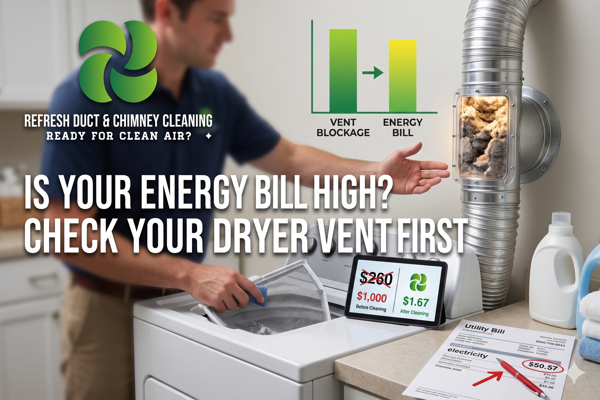
What Causes a High Energy Bill from Your Dryer Vent?
A dryer vent plays a critical role in removing hot, moist air from your dryer to the outside of your home. When lint, dust, and debris accumulate inside the vent line, airflow becomes restricted. This restriction forces the dryer to operate longer to dry each load, increasing total energy consumption.
Over time, even a thin layer of lint can significantly reduce efficiency. The dryer must generate more heat to compensate for poor ventilation. As a result, homeowners experience a high energy bill without realizing the connection to dryer vent maintenance.
How a Clogged Dryer Vent Increases Energy Consumption?
A clogged dryer vent directly impacts the performance of your appliance. The system is designed to release moisture quickly and maintain balanced airflow. When that airflow is blocked, drying cycles extend, and electricity usage rises.
The longer your dryer runs, the more energy it uses. Extended cycles can double or even triple the energy required per load. This is one of the most overlooked reasons people ask, Is your energy bill high? Check your dryer vent first.
Reduced Airflow Efficiency
When airflow is restricted, hot air stays trapped inside the drum. This trapped heat cannot circulate effectively, slowing down moisture evaporation. As a result, clothes take much longer to dry.
Poor airflow also increases internal pressure inside the vent system. The dryer motor must work harder to push air through the obstruction. That extra effort translates into higher electricity usage and rising monthly bills.
Overheating and Reheating Cycles
Modern dryers use sensors to detect moisture levels. When clothes remain damp due to poor ventilation, the dryer continues to reheat repeatedly. Each reheating cycle consumes additional power.
Overheating also stresses heating elements. This not only increases energy consumption but also shortens the lifespan of your appliance. Over time, these small inefficiencies compound into a noticeably high energy bill.
Moisture Retention Problems
A clogged dryer vent traps humidity inside the system. Damp air circulating in the drum slows the drying process. This forces the machine to operate for longer cycles.
Excess moisture may also leak into surrounding walls or ceilings. This can create mold issues and reduce overall home energy efficiency. Addressing the vent blockage quickly prevents both energy waste and structural damage.
Why Dryer Vent Maintenance Should Be Your First Step?
Before replacing appliances or upgrading insulation, it makes sense to inspect the dryer vent. Dryer vent cleaning is far more affordable than buying a new dryer or HVAC system. In many cases, proper cleaning restores efficiency immediately.
Homeowners often underestimate how quickly lint accumulates. Even if you clean the lint trap after every load, small particles still escape into the vent line. That buildup gradually restricts airflow and increases operational costs.
Regular maintenance helps prevent unexpected spikes in your utility bill. If you keep asking yourself, Is your energy bill high? Check your dryer vent first; maintenance is the simplest starting point. It is a low-cost solution with high-impact results.
What Are the Warning Signs of a Blocked Dryer Vent?
If your energy bill is climbing, several warning signs may point toward a clogged vent. Recognizing these signs early can prevent excessive energy waste. Dryer vent issues often show subtle symptoms before becoming serious problems.
Here are key indicators that you should check immediately:
- Clothes take longer than one cycle to dry. If a normal load requires two or three cycles, airflow is likely restricted. Longer drying times directly increase electricity consumption.
- The dryer feels extremely hot to the touch. Excess heat buildup suggests poor ventilation. This heat forces internal components to work harder and use more power.
- A burning smell during operation. Lint is highly flammable and can overheat when trapped. Besides being a fire risk, overheating increases energy usage.
- Lint buildup around the vent opening. Visible lint outside the vent cap signals internal accumulation. This is a strong sign that professional cleaning is needed.
- Higher humidity in the laundry room. Poor venting traps moisture indoors. This can make your HVAC system work harder, further increasing your energy bill.
- The vent hood flap does not open properly. A blocked vent prevents the flap from moving freely. Restricted airflow leads to longer drying times and higher utility costs.
- Unusual noises from the dryer. Straining sounds indicate the motor is working harder than normal. This strain consumes more electricity and accelerates wear.
How Often Should You Check and Clean Your Dryer Vent?
Most experts recommend dryer vent cleaning at least once per year. However, households with large families or frequent laundry loads may need cleaning every six months. Pet owners also experience faster lint accumulation due to fur.
If you consistently notice longer drying times, do not wait for your annual cleaning. Addressing the issue early can prevent a high energy bill. Remember the principle: Is your energy bill high? Check your dryer vent first before assuming bigger problems.
Routine inspection includes checking the exterior vent cap and examining the vent hose for kinks. Simple visual checks can catch early warning signs. Professional inspections ensure deeper blockages are removed safely.
What Key Factors Affect Dryer Vent Energy Efficiency?
Several variables determine how efficiently your dryer vent system operates. Understanding these factors helps prevent unnecessary energy waste. Small design flaws can significantly impact long-term costs. Routine inspection includes checking the exterior vent cap and examining the vent hose for kinks. Simple visual checks can catch early warning signs. Professional inspections ensure deeper blockages are removed safely.
Vent Length and Design
Longer vent lines create more resistance to airflow. The more turns and bends in the duct, the harder the dryer must work. Straight, short vent paths improve efficiency and reduce energy consumption.
Poor installation design increases lint buildup points. Each bend becomes a trap for debris accumulation. Optimizing vent layout can lower operational costs over time.
Type of Vent Material
Rigid metal ducts provide smoother airflow compared to flexible plastic hoses. Flexible materials tend to trap lint in their ridges. This increases the likelihood of blockages.
Metal ducts also improve safety and heat resistance. They allow air to flow more freely, reducing strain on the appliance. Upgrading materials can enhance both safety and efficiency.
Frequency of Dryer Use
High laundry frequency accelerates lint accumulation. Families with children often run multiple loads per week. This increases the risk of airflow restriction.
Heavy usage requires more frequent inspections. Ignoring maintenance in high-use homes leads to gradual increases in energy consumption. Over time, this contributes significantly to a high energy bill.
External Weather Conditions
Cold weather affects vent performance. Moist air condenses faster in cold ducts, encouraging lint clumping. This restricts airflow more quickly during the winter months.
Wind and debris outside the vent hood can also cause blockages. Regular exterior checks help maintain consistent airflow. Environmental factors play a larger role than many homeowners realize.
How Professional Dryer Vent Cleaning Reduces Energy Costs?
Professional dryer vent cleaning removes deep lint buildup that household tools cannot reach. Technicians use specialized equipment to clear the entire duct system. This restores optimal airflow and reduces cycle times immediately. Routine inspection includes checking the exterior vent cap and examining the vent hose for kinks. Simple visual checks can catch early warning signs. Professional inspections ensure deeper blockages are removed safely.
A thorough cleaning often results in noticeable energy savings within the next billing cycle. Shorter drying times mean less electricity or gas consumption. If you keep wondering, Is your energy bill high? Check your dryer vent first. Professional cleaning is a practical solution.
Experts also inspect for damage, leaks, or improper installation. Fixing these issues improves overall system efficiency. Preventative maintenance ultimately lowers long-term utility expenses.
What Does Dryer Vent Cleaning Cost and Is It Worth It?
Dryer vent cleaning is relatively affordable compared to rising energy bills or appliance replacement. Costs vary based on vent length, accessibility, and level of buildup. However, the investment typically pays for itself through energy savings.
Below is a general cost comparison table:
| Service Type | Average Cost Range | Potential Annual Energy Savings | Risk Reduction Benefit |
| Basic Dryer Vent Cleaning | $90 – $150 | 10% – 20% lower drying costs | Moderate fire risk reduction |
| Deep Cleaning with Inspection | $150 – $250 | 15% – 25% energy savings | High fire risk reduction |
| Vent Repair or Rerouting | $250 – $600 | Long-term efficiency improvement | Maximum airflow optimization |
| Annual Maintenance Plan | $120 – $200/year | Consistent reduced energy usage | Ongoing protection |
When comparing these costs to months of a high energy bill, cleaning is a smart financial decision.
How to Prevent Future Dryer Vent Energy Problems
Preventative action is always more affordable than reactive repairs. Maintaining your dryer vent ensures consistent airflow and stable utility bills. A proactive approach keeps your appliance running efficiently for years.
Follow these essential prevention tips:
- Clean the lint trap after every load. This reduces the amount of lint entering the vent line. Consistent cleaning improves immediate airflow efficiency.
- Schedule annual professional inspections. A yearly check prevents hidden blockages. Early detection reduces the chance of sudden energy spikes.
- Avoid overloading the dryer. Overloading increases drying time and lint production. Smaller loads dry faster and consume less energy.
- Use proper vent materials. Replace plastic or foil ducts with rigid metal options. This upgrade significantly improves airflow.
- Keep the exterior vent hood clear. Remove leaves, debris, and nests regularly. A clear exit point ensures smooth air release.
- Monitor drying time changes. If clothes start taking longer to dry, act quickly. Small increases in time often signal airflow problems.
- Install a vent booster fan if needed. For long duct systems, booster fans improve airflow. This prevents energy loss in complex layouts.
Conclusion
If you continue asking, Is your energy bill high? Check your dryer vent first; the answer may be simpler than you think. A clogged dryer vent forces your appliance to run longer and consume more energy. Addressing this issue early can significantly reduce monthly utility costs.
Regular dryer vent cleaning improves efficiency, enhances safety, and extends appliance lifespan. Small maintenance steps prevent larger financial burdens later. Before blaming your HVAC system or replacing appliances, always remember: Is your energy bill high? Check your dryer vent first and eliminate this common hidden cause.
FAQs
1. Can a partially clogged dryer vent still raise my energy bill?
Yes, even partial blockages reduce airflow and extend drying times. Longer cycles increase overall energy consumption.
2. Does dryer vent cleaning improve dryer lifespan?
Yes, reducing strain on the motor and heating elements helps extend appliance life. Efficient airflow reduces wear and tear.
3. Can birds or pests cause vent blockages?
Yes, nests inside exterior vents can completely block airflow. Regular inspections help prevent this issue.
4. Is gas dryer vent blockage different from an electric dryer blockage?
Both types suffer efficiency loss from clogs. However, gas dryers may pose additional carbon monoxide risks if ventilation is restricted.
5. Will upgrading to a new dryer fix a clogged vent problem?
No, a new dryer connected to a blocked vent will still operate inefficiently. The vent system must be cleaned regardless of appliance age.
6. Can high humidity outside affect vent performance?
Yes, moisture-heavy air can slow drying efficiency. Combined with lint buildup, it worsens airflow problems.
7. Do dryer sheets contribute to vent clogs?
Yes, dryer sheet residue can accumulate inside ducts over time. This sticky buildup traps lint more easily.
8. Is DIY dryer vent cleaning effective?
Basic cleaning can remove surface lint. However, professional tools are needed for deep, complete removal.