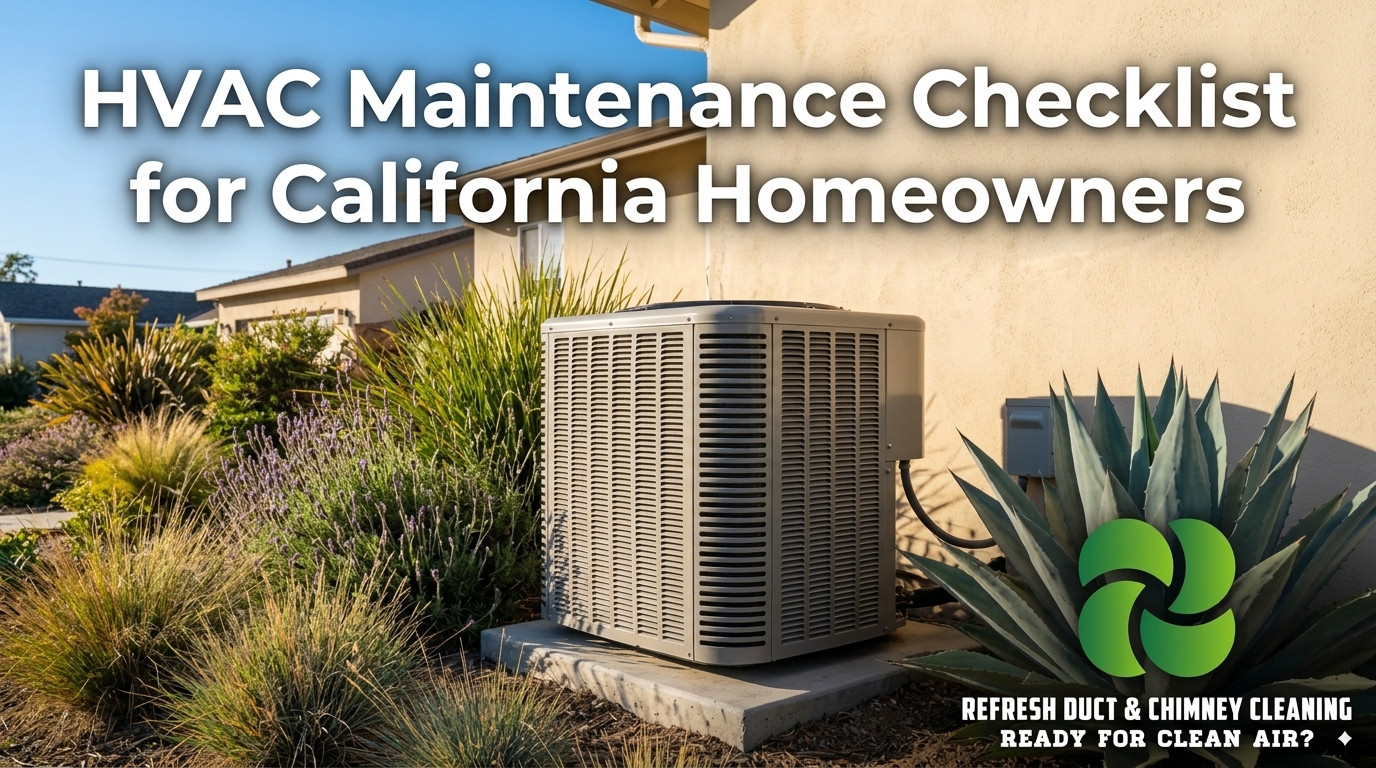
Living in California means your heating and cooling system works almost all year. From intense inland heatwaves to cool coastal evenings, temperature swings can put constant pressure on your equipment. That is why following a detailed HVAC Maintenance Checklist for California Homeowners is not just helpful, it is essential for comfort and cost control.
A structured HVAC Maintenance Checklist for California Homeowners helps prevent emergency breakdowns, lower electricity bills, and improve indoor air quality. When maintenance is ignored, small issues grow into expensive repairs that disrupt daily life. With the right approach, homeowners can protect their investment and keep their HVAC system running efficiently for many years.
Understanding HVAC Systems in California Homes
HVAC systems in California are uniquely influenced by regional climate variations. Coastal areas experience milder temperatures but higher humidity, while inland regions often face extreme heat during the summer months. This means HVAC systems must be adaptable and well-maintained to handle fluctuating conditions effectively.
A typical HVAC system includes heating units, air conditioning systems, ductwork, thermostats, and ventilation components. Each part plays a critical role in maintaining indoor comfort. Regular inspection and maintenance of these components ensures the system functions efficiently and reduces the risk of sudden breakdowns during peak seasons.
Why climate variation impacts HVAC performance
California’s climate diversity places varying demands on HVAC systems. Coastal homes may require more dehumidification, while inland homes depend heavily on air conditioning. This variation can strain components differently, making tailored maintenance essential. Ignoring climate-specific needs can reduce system efficiency and increase energy consumption.
How HVAC systems operate in residential settings
Residential HVAC systems regulate temperature by circulating conditioned air through ducts. Heating and cooling units work together to maintain desired indoor conditions. Proper airflow, clean filters, and functioning thermostats are essential for optimal performance. Any disruption in this process can lead to uneven temperatures and discomfort.
Key components homeowners should know
Understanding components like compressors, evaporator coils, and air filters helps homeowners identify potential issues early. Each component has a specific function and requires regular maintenance. Familiarity with these parts enables better communication with technicians and more effective DIY maintenance.
Importance of system compatibility with home design
HVAC systems must be properly sized and compatible with the home’s layout. Poor system design can lead to inefficiency and increased wear. Regular assessments ensure the system remains suitable for the home’s needs. Upgrades or adjustments may be necessary over time.
Why Every California Home Needs a Preventive HVAC Plan
California’s climate diversity creates year-round demand for HVAC systems. Homes in hot inland regions use air conditioning heavily during summer, while mountain and northern areas depend on reliable heating in winter. A proper HVAC Maintenance Checklist for California Homeowners ensures systems are prepared for both extremes.
Energy costs in California are higher than the national average. Poor maintenance increases system workload and electricity usage. Regular HVAC maintenance keeps performance optimized and monthly bills manageable.
Wildfire seasons also impact indoor air quality. Smoke particles quickly clog filters and restrict airflow. Including air quality checks in your HVAC Maintenance Checklist for California Homeowners protects both your system and your family’s health.
Monthly HVAC Maintenance Checklist for California Homeowners
Monthly inspections are simple but powerful. These routine steps keep small issues from becoming major mechanical failures. Consistency is the foundation of a strong HVAC Maintenance Checklist for California Homeowners.
Replace or Clean Air Filters
Air filters trap dust, pollen, and airborne debris. When clogged, they reduce airflow and strain the system. Replacing filters every 30 to 60 days improves efficiency immediately.
Clean filters also enhance indoor air quality. This is especially important in wildfire-prone regions of California. Proper filtration protects respiratory health and system components.
Test Thermostat Accuracy
Your thermostat controls system cycling and energy use. If it gives inaccurate readings, your HVAC system will run longer than necessary. Monthly checks ensure temperature accuracy.
Programmable or smart thermostats should be reviewed seasonally. Adjusting settings for changing weather improves comfort. Efficient thermostat management lowers energy waste.
Inspect Air Vents and Registers
Blocked vents cause uneven airflow and temperature imbalances. Ensure furniture, rugs, or curtains are not obstructing airflow. Open and clean registers regularly.
Dust buildup around vents can circulate allergens. Cleaning vents maintains better indoor air quality. Balanced airflow improves overall system performance.
Seasonal HVAC Preparation Guide
Seasonal preparation is a major component of the HVAC Maintenance Checklist for California Homeowners. Preparing before summer and winter reduces the risk of breakdowns during peak demand. Seasonal maintenance protects system durability and efficiency.
Spring Cooling System Preparation
Before summer, inspect the outdoor condenser unit for dirt and debris. Remove leaves and ensure proper airflow clearance. Cleaning coils improves cooling performance.
Schedule a professional tune-up during spring. Technicians check refrigerant levels, electrical wiring, and system pressure. Preventive servicing avoids costly summer failures.
Fall Heating System Preparation
Before winter, inspect the furnace or heat pump. Replace air filters and check ignition systems carefully. Ensure carbon monoxide detectors are functioning properly.
Fall maintenance improves heating safety. It also increases efficiency during colder months. Preparing early prevents emergency heating repairs.
Comprehensive HVAC Maintenance Checklist
| Task | Frequency | Why It Matters | How to Do It | Benefits & Tips |
|---|---|---|---|---|
| Replace Air Filters | Every 1-3 months | Prevents dust buildup and maintains airflow | Use correct size and MERV rating | Improves air quality and system efficiency |
| Clean or Replace Return Vents | Monthly | Removes visible dust and pet hair | Vacuum or wash reusable vents | Better airflow and reduced allergens |
| Inspect Outdoor Unit | Monthly | Ensures clear airflow around condenser | Remove debris, leaves, and dirt | Prevents overheating and improves cooling |
| Check Thermostat Settings | Seasonally | Ensures accurate temperature control | Test and calibrate if needed | Saves energy and maintains comfort |
| Clean Evaporator and Condenser Coils | Annually (Professional) | Removes dirt that reduces efficiency | Hire technician for thorough cleaning | Up to 30% better energy efficiency |
| Inspect Ductwork for Leaks | Annually | Prevents air loss and contamination | Look for visible damage and call professional | Lower bills and better indoor air quality |
| Lubricate Moving Parts | Annually (Professional) | Reduces friction and wear on motors | Professional service required | Extends motor and fan lifespan |
| Check Refrigerant Levels | Annually (Professional) | Ensures proper cooling performance | Certified technician only | Prevents system strain and inefficiency |
| Test Carbon Monoxide Detectors | Monthly | Protects against dangerous leaks | Replace batteries and test functionality | Critical safety measure |
| Clean Drain Lines | Annually | Prevents clogs and water damage | Flush with vinegar or bleach solution | Avoids mold growth and leaks |
| Inspect Electrical Connections | Annually (Professional) | Prevents shorts and fire hazards | Tighten loose wires and check voltage | Safer and more reliable operation |
| Check Blower Motor | Annually | Ensures proper air circulation | Clean and lubricate as needed | Consistent airflow throughout home |
| Schedule Professional Tune-Up | Twice a Year | Comprehensive system inspection and optimization | Hire licensed HVAC technician | Early problem detection and peak performance |
| Clear Area Around Outdoor Unit | Monthly | Maintains proper ventilation | Keep plants and debris at least 2 feet away | Prevents restricted airflow and damage |
| Monitor Energy Bills | Monthly | Detects efficiency problems early | Compare with previous months | Identifies issues before they worsen |
This HVAC maintenance checklist helps homeowners stay proactive about system care. Following these steps regularly will improve efficiency, reduce repair costs, and extend the life of your heating and cooling equipment. For complex tasks, always consult a qualified professional.
Outdoor HVAC Unit Maintenance
The outdoor condenser is exposed to weather, dirt, and debris. Neglecting it reduces cooling efficiency and shortens system lifespan. Every HVAC Maintenance Checklist for California Homeowners must prioritize outdoor unit care.
Turn off the power before cleaning the unit. Gently rinse coils with water to remove buildup. Maintain at least two feet of clearance around the system.
Trim nearby plants and shrubs regularly. Proper airflow prevents overheating and compressor damage. Routine outdoor maintenance improves energy efficiency significantly.
Indoor Air Quality and Duct System Care
Air quality management is critical in California homes. Smoke, dust, and allergens accumulate inside HVAC systems over time. Including air purification steps in your HVAC Maintenance Checklist for California Homeowners ensures healthier living conditions.
Upgrade to High-Efficiency Filters
High-efficiency filters capture smaller airborne particles. They are especially useful during wildfire season. Better filtration improves respiratory comfort.
Regular filter upgrades protect internal components. Cleaner airflow reduces strain on the blower motor. Improved filtration extends system lifespan.
Schedule Professional Duct Cleaning
Dust and debris accumulate inside ductwork. This restricts airflow and increases system workload. Professional cleaning restores airflow balance.
Clean ducts reduce allergen circulation. They also enhance temperature consistency throughout the home. Periodic inspections prevent hidden obstructions.
Professional HVAC Inspections and Tune-Ups
While homeowners can perform basic tasks, professional inspections remain essential. A licensed technician performs in-depth checks that go beyond visual inspections. Including annual servicing in your HVAC Maintenance Checklist for California Homeowners ensures long-term reliability.
Technicians test refrigerant levels, examine electrical connections, and calibrate thermostats. They also lubricate moving parts and verify safety controls. These steps prevent unexpected system breakdowns.
Bi-annual servicing is ideal for homes with heavy HVAC usage. Professional maintenance extends equipment lifespan significantly. It also helps maintain warranty coverage.
Energy Efficiency Improvements for Long-Term Savings
Energy efficiency upgrades are a valuable addition to the HVAC Maintenance Checklist for California Homeowners. Efficient systems consume less electricity and reduce environmental impact. Small improvements can produce noticeable savings.
Seal Windows and Doors
Air leaks increase heating and cooling demand. Sealing gaps improves insulation and indoor temperature stability. Reduced airflow loss lowers system strain.
Better insulation keeps your HVAC system from cycling excessively. Fewer cycles extend equipment life. Energy savings increase over time.
Install a Smart Thermostat
Smart thermostats adjust temperatures automatically. They reduce energy use when no one is home. Remote access improves convenience.
Learning features optimize daily schedules. This improves comfort without increasing costs. Smart upgrades enhance HVAC efficiency significantly.
Warning Signs You Should Never Ignore
Recognizing early warning signs is critical in the HVAC Maintenance Checklist for California Homeowners. Ignoring small performance issues can lead to complete system failure. Immediate attention prevents expensive repairs and safety risks.
Your HVAC system usually shows warning signs before major breakdowns occur. Paying attention to unusual behavior helps you respond quickly. Proactive action protects your investment and household comfort.
Watch for these warning signs:
- Unusual noises such as grinding, rattling, or banging sounds. These often indicate loose components or internal mechanical damage.
- Weak or inconsistent airflow from vents. This may signal clogged filters, duct blockages, or blower motor problems.
- Sudden spikes in electricity bills without increased usage. Higher energy consumption often reflects declining system efficiency.
- Unpleasant odors are coming from vents. Burning smells can indicate electrical issues or overheating components.
- Frequent system cycling or difficulty maintaining temperature. Short cycling may point to thermostat or compressor malfunctions.
HVAC Maintenance Costs in California
The cost of maintaining an HVAC system is significantly lower than replacing one. Following an HVAC Maintenance Checklist for California Homeowners reduces long-term repair expenses. Preventive maintenance is always more affordable than emergency service calls.
| Service Type | Average Cost Range | Frequency | Primary Benefit |
| Annual Inspection | $90 – $170 | Once per year | Early issue detection |
| Full System Tune-Up | $160 – $400 | 1–2 times yearly | Improved performance |
| Duct Cleaning | $350 – $800 | Every 3–5 years | Better airflow |
| Filter Replacement | $20 – $60 | Monthly/Bi-monthly | Air quality boost |
| Smart Thermostat Install | $150 – $350 | One-time | Energy savings |
Quick HVAC Maintenance Checklist for California Homeowners
- Replace air filters every 30 to 60 days. Clean filters improve airflow and reduce system strain.
- Keep the outdoor condenser clear of debris. Proper airflow prevents overheating and improves cooling efficiency.
- Inspect thermostat settings monthly. Accurate programming reduces unnecessary energy consumption.
- Schedule annual professional inspections. Early detection of issues prevents costly breakdowns.
- Monitor unusual sounds, smells, or airflow changes. Quick action protects your HVAC system from serious damage.
Conclusion
Maintaining an HVAC system is essential for California homeowners who want to ensure comfort, efficiency, and long-term savings. With the state’s varying climate conditions, regular maintenance becomes even more critical to keep systems functioning optimally throughout the year. A comprehensive HVAC maintenance checklist helps homeowners stay proactive, reduce energy consumption, and avoid unexpected breakdowns.
By combining DIY maintenance with professional servicing, homeowners can achieve the best results. Routine inspections, timely repairs, and energy-efficient practices contribute to a reliable and cost-effective HVAC system. Investing in regular maintenance not only enhances comfort but also protects your home and your budget in the long run.
FAQs
1. How often should HVAC maintenance be performed?
HVAC maintenance should be performed at least twice a year, typically before the summer and winter seasons. Regular checkups ensure the system operates efficiently and prevent unexpected breakdowns.
2. What is the most important HVAC maintenance task?
Replacing air filters regularly is one of the most important tasks. Clean filters improve airflow, enhance efficiency, and maintain good indoor air quality.
3. Can I perform HVAC maintenance myself?
Yes, homeowners can handle basic tasks like cleaning vents and replacing filters. However, complex maintenance and inspections should be handled by professionals.
4. How does HVAC maintenance reduce energy costs?
Regular maintenance ensures the system runs efficiently, reducing energy consumption. Clean components and proper airflow lower utility bills significantly.
5. What are the signs that my HVAC system needs maintenance?
Common signs include unusual noises, uneven temperatures, and increased energy bills. Addressing these issues early prevents major problems.
6. How long does an HVAC system last?
With proper maintenance, HVAC systems can last 10–20 years. Regular servicing extends lifespan and maintains performance.
7. Is professional HVAC maintenance worth the cost?
Yes, professional maintenance ensures thorough inspection and prevents costly repairs. It provides long-term savings and system reliability.
8. What happens if HVAC maintenance is neglected?
Neglecting maintenance leads to reduced efficiency, higher energy bills, and potential system failure. Regular upkeep is essential for optimal performance.