
Renovating a home in Los Angeles can significantly improve its value and comfort, but it often exposes a hidden problem: outdated or inefficient ductwork. Duct replacement for renovated homes in LA ensures your HVAC system delivers consistent airflow to every newly modified space. Ignoring ductwork during renovations can lead to high energy bills, uneven temperatures, and compromised indoor air quality.
Homes in LA face unique climate challenges, with hot summers and cool, damp winters. Renovation projects that add rooms, move walls, or reconfigure layouts can leave old ducts misaligned or undersized. Duct replacement for renovated homes in LA addresses these issues, making HVAC systems more efficient and extending their lifespan.
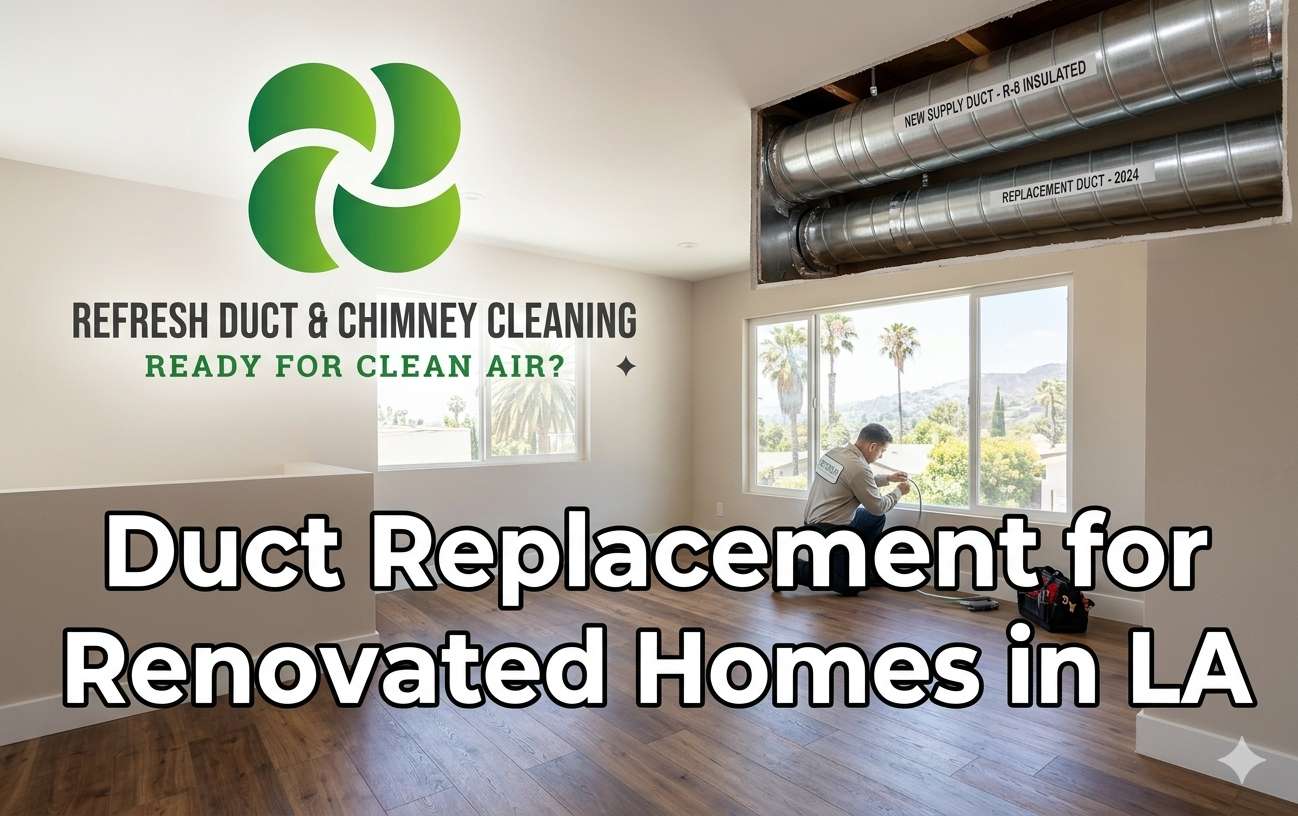
Why Duct Replacement Is Critical After Renovations
Renovations often alter the structure of a home, affecting airflow patterns. Old ductwork may no longer match the new layout, leading to energy inefficiency and discomfort. Duct replacement ensures the HVAC system can meet the demands of updated living spaces.
Even minor changes, like adding a new bedroom or relocating a wall, can disrupt air distribution. Homeowners may notice hot and cold spots, higher energy bills, and increased wear on HVAC equipment. Investing in duct replacement for renovated homes in LA guarantees optimal performance and long-term cost savings.
Energy Efficiency Benefits
Properly sized and sealed ducts allow HVAC systems to operate at peak efficiency. Reduced air leakage translates to lower electricity bills and consistent temperatures.
Comfort Across All Rooms
Rooms in renovated areas receive adequate airflow, preventing hot or cold spots. This ensures a comfortable environment throughout the home.
Enhanced Indoor Air Quality
New ductwork prevents dust, mold, and allergens from circulating. Homeowners experience cleaner, healthier air in every room.
What Are the Signs That You Need Duct Replacement?
Recognizing the signs of failing ductwork is essential for timely replacement. One of the most common indicators is uneven heating or cooling throughout the home. If some rooms feel too hot while others are too cold, your ducts may not be functioning properly. This is often a result of leaks, blockages, or poor design.
Another sign is rising energy bills without increased usage. Damaged or inefficient ducts force your HVAC system to work harder, consuming more energy. You may also notice excessive dust, strange odors, or visible damage in your ductwork. These issues indicate that your system is no longer efficient and needs replacement.
Uneven Temperature Distribution
If your home has inconsistent temperatures, your duct system may be failing. This is often caused by leaks or improper airflow design. It affects overall comfort and efficiency.
High Energy Bills
Increased energy costs can signal duct inefficiency. Leaky ducts waste conditioned air. This forces your HVAC system to work harder than necessary.
Excessive Dust and Allergens
Old ducts can circulate dust and allergens throughout your home. This affects indoor air quality. It can also worsen allergies and respiratory issues.
Visible Damage or Leaks
Cracks, holes, or disconnected ducts indicate serious problems. These issues reduce system efficiency. Immediate replacement may be required.
Factors That Influence Duct Replacement Costs
Several variables determine the cost of duct replacement in renovated LA homes. These include home size, duct material, labor complexity, and accessibility.
Larger homes with multi-story layouts require more ducting, while challenging spaces like attics or crawl spaces increase labor time. Choosing high-quality sheet metal or insulated ducts may raise initial costs but provides long-term energy efficiency.
Home Size and Layout
Bigger homes need more ductwork to reach every room effectively. Complex layouts require additional joints and fittings.
Renovation changes, such as added rooms or ceiling adjustments, increase the complexity of duct installation. Accurate measurements and design adjustments are essential to maintain airflow efficiency.
Material Choice
Flexible ducts are less expensive and easier to install, but have a shorter lifespan. Sheet metal and insulated ducts are more durable and energy-efficient, justifying the higher upfront cost.
Labor and Accessibility
Installing ducts in tight or hard-to-reach areas takes longer and requires specialized equipment. Technicians charge accordingly, impacting the overall project cost.
Increases the home’s energy efficiency and market value.
| Aspect | Benefits of Duct Replacement | Key Considerations During Renovation | Best Practices & Tips | Estimated Impact |
|---|---|---|---|---|
| Energy Efficiency | Reduces air leaks and improves HVAC performance | Proper sizing for new home layout | Use sealed, insulated ducts | 20-40% savings on energy bills |
| Indoor Air Quality | Removes dust, mold, allergens, and pollutants | Check for existing contamination | Install proper filtration and UV lights | Healthier living environment |
| System Longevity | Prevents strain on new HVAC equipment | Coordinate with HVAC upgrades | Choose durable materials (e.g., sheet metal, flex) | Extends HVAC lifespan by 5-10 years |
| Comfort & Temperature Control | Balanced airflow to all rooms | Address hot/cold spots in renovated spaces | Proper zoning and damper installation | Consistent temperatures throughout home |
| Noise Reduction | New ducts reduce whistling and vibration | Avoid noisy flexible ducts in main runs | Use rigid or semi-rigid ducting where possible | Quieter home environment |
| Cost Savings | Cheaper when done during renovation | Compare replacement vs. cleaning/repair | Get multiple quotes from licensed contractors | Higher ROI compared to future retrofits |
| Material Options | Modern insulated and antimicrobial ducts | Match with home aesthetics and budget | Select low-VOC and mold-resistant materials | Better durability and performance |
| Code Compliance | Meets current building and energy codes | Required for major renovations in many areas | Hire professionals familiar with local standards | Avoids inspection issues and fines |
| Property Value | Makes home more attractive to buyers | Highlight in home inspection reports | Include before/after documentation | Increases resale value and marketability |
| Full Renovation Integration | Seamless with new ceilings, walls, and floors | Plan duct routes early in design phase | Coordinate with electrician, plumber, and builder | Smoother renovation process |
This guide provides a comprehensive overview of duct replacement for renovated homes. Always consult a licensed HVAC professional to assess your specific needs and ensure optimal results.
Benefits of Duct Replacement for Renovated Homes
Duct replacement ensures energy efficiency, comfort, and indoor air quality. Properly designed ducts distribute air evenly, preventing hot and cold spots.
New ducts also protect HVAC systems from overworking, extending their lifespan. Renovated homes benefit from upgraded airflow systems that match the new layout, reducing energy costs and improving overall comfort.
Key Benefits
- Lower Energy Bills: Sealed and well-sized ducts prevent air loss, reducing electricity costs.
- Even Temperature Distribution: All rooms, including new renovations, maintain consistent airflow.
- Improved Air Quality: Reduced dust, allergens, and mold contribute to a healthier home.
- Quieter Operation: Properly installed ducts eliminate whistling and rattling noises.
- Extended HVAC Lifespan: Systems experience less strain, reducing maintenance and repair needs.
- Increased Home Value: Modernized ducts add appeal to buyers and support resale value.
Installation Process for Duct Replacement
Professional installation ensures ducts are properly designed, sealed, and aligned with the renovated home layout. Technicians begin by assessing existing ducts and planning a system that maximizes airflow efficiency.
Assessment and Planning
Technicians evaluate the current duct system for damage or inefficiency. They design new ducts to accommodate the home’s updated layout.
Material Selection
High-quality materials such as sheet metal or insulated ducts are selected for durability and efficiency. Material choice influences energy savings and long-term performance.
Installation and Sealing
Ducts are installed and sealed to prevent air leaks. Proper sealing improves system efficiency and reduces energy waste.
System Testing
After installation, airflow and system performance are tested. Adjustments are made to ensure optimal operation in the renovated space.
Maintenance Tips for New Ducts
Regular maintenance preserves the efficiency of new ducts. Homeowners should inspect ducts for leaks, replace filters, and clean ducts periodically.
Filter Replacement
Filters should be changed every 1–3 months. Clean filters improve airflow and system efficiency.
Duct Inspections
Annual inspections catch leaks, loose connections, or damage before they affect efficiency. Early detection prevents costly repairs.
Cleaning and Dust Control
Periodic cleaning removes dust, debris, and allergens. This ensures air quality remains high and maintains airflow performance.
Environmental and Energy-Saving Benefits
Upgrading duct systems in renovated homes reduces energy waste, lowering carbon emissions. Energy-efficient ductwork aligns with LA’s sustainability initiatives.
Homeowners benefit both financially and environmentally by reducing electricity consumption. Proper duct replacement contributes to a greener, more efficient household.
What Is the Cost of Duct Replacement in Los Angeles?
Duct replacement costs in Los Angeles can vary depending on the size of the home, duct material, and complexity of installation. On average, homeowners can expect to spend between $3,000 and $10,000. Larger homes or complex systems may cost more due to additional labor and materials.
While the upfront cost may seem high, duct replacement offers long-term savings through improved energy efficiency. Lower utility bills and reduced repair costs make it a worthwhile investment. Many homeowners also choose duct replacement during renovation to bundle costs and save money.
| Factor | Average Cost | Material Type | Installation Time | Notes |
|---|---|---|---|---|
| Small Home | $3,000 – $5,000 | Flexible ducts | 1-2 days | Basic installation |
| Medium Home | $5,000 – $7,500 | Rigid ducts | 2-4 days | Moderate complexity |
| Large Home | $7,500 – $10,000+ | Mixed systems | 4-7 days | Complex layout |
| Material Upgrade | $1,000 – $3,000 extra | Metal/insulated | Varies | Higher efficiency |
| Labor Cost | $1,500 – $4,000 | N/A | 1-5 days | Depends on complexity |
| Insulation | $500 – $2,000 | Insulated ducts | 1-2 days | Energy efficiency |
| Permits | $200 – $1,000 | N/A | N/A | Required in LA |
| Inspection | $100 – $500 | N/A | 1 day | Post-installation check |
| Maintenance Savings | Long-term savings | N/A | Ongoing | Reduced energy bills |
| Total Project | $3,000 – $10,000+ | N/A | 2-7 days | Complete system upgrade |
How to Choose the Right Duct Replacement Contractor in LA?
Choosing the right duct replacement contractor in Los Angeles is crucial to ensure your HVAC system performs efficiently and safely. A skilled contractor will properly assess your home’s needs, recommend the right ductwork, and install it according to local building codes. This not only improves airflow and energy efficiency but also prevents costly future repairs. Taking the time to carefully evaluate your options can save you both money and stress in the long run.
Check Licensing and Certification
Always verify that the contractor holds the proper licensing and certifications required in California. Licensed professionals follow state regulations and industry standards. This ensures safe, legal, and high-quality duct replacement work.
Evaluate Experience and Expertise
Look for contractors with extensive experience in duct replacement and HVAC systems. Experienced professionals are more likely to handle complex installations efficiently. They can also identify potential issues before they become major problems.
Review Customer Feedback and Reputation
Check online reviews, ratings, and customer testimonials before making a decision. A strong reputation indicates reliable service and customer satisfaction. Positive feedback is a good sign of consistent, quality work.
Conclusion
Duct replacement for renovated homes in LA is essential to maximize HVAC efficiency, maintain comfort, and improve indoor air quality. Properly installed ducts align with the updated layout, ensuring balanced airflow across all spaces.
Investing in duct replacement provides long-term benefits: reduced energy costs, quieter operation, and a longer-lasting HVAC system. Homeowners enjoy immediate comfort improvements and long-term financial savings, making duct replacement an indispensable part of any LA home renovation.
Frequently Asked Questions (FAQs)
1. How long does duct replacement take for renovated homes in LA?
Most single-family homes are completed in 1–3 days. Larger or multi-story homes may require more time.
2. Can I replace only part of the duct system?
Yes, partial replacement is possible for specific rooms or sections. This approach reduces cost and disruption.
3. Are insulated ducts necessary for renovated homes?
Insulated ducts reduce energy loss and prevent condensation. They are recommended for long-term efficiency.
4. How often should new ducts be inspected?
Annual inspections ensure ducts remain leak-free and efficient. Older homes may require more frequent checks.
5. Can duct replacement reduce energy bills immediately?
Yes, sealed and properly sized ducts restore system efficiency, lowering electricity costs from day one.
6. Will duct replacement improve indoor air quality?
Yes, replacement ducts reduce dust, mold, and allergens circulating through the system.
7. Can duct replacement minimize HVAC noise?
Proper sealing and alignment eliminate rattling and whistling. Systems operate more quietly.
8. Is duct replacement worth the investment?
Absolutely. Energy savings, improved comfort, and enhanced system lifespan make it cost-effective.
9. How do professionals determine the right size of ducts for renovated homes?
Technicians use airflow calculations based on room size and HVAC system capacity. Proper sizing ensures balanced air distribution.