Keeping your home laundry system safe and efficient requires keeping the exhaust pathway completely clear of debris. Many homeowners face the crucial decision of whether to clear out these pipes themselves or hire a specialist. Both approaches have unique benefits and clear drawbacks that depend on your schedule, budget, and system layout. A simple setup might be easily managed with a standard brush kit bought from a local store.
However, complex systems that travel deep through walls usually require specialized industrial equipment to clean safely. Understanding the core differences between these two methods ensures you make the right choice for your household safety. Regular attention to this task prevents dangerous heat buildup and lowers your monthly utility expenses significantly.
DIY vs Professional Dryer Vent Cleaning
Choosing how to maintain your appliance exhaust pathway impacts both your wallet and your overall peace of mind. The self-cleaning method allows you to handle the task immediately using affordable brushes attached to a standard power drill. This option works perfectly for short, straight pipes that exit directly through an outside wall right behind the machine.
On the other hand, dryer vent cleaning Los Angeles technicians bring high-powered vacuum systems and rotating snakes that clear out every hidden corner. They can easily reach long vertical runs that travel up to the roof without damaging any pipe joints. Evaluating the physical layout of your system is the best way to determine which cleaning method is right.

The Benefits of Handling the Task Yourself
- Taking care of the maintenance yourself offers total flexibility since you can complete the job whenever your schedule allows.
- You do not have to wait for a technician to arrive or take time off from your busy workday.
- The initial investment is very low, requiring only a simple cleaning kit that can be reused for many years.
- It gives you a great sense of personal accomplishment and complete control over your home maintenance routine.
- You can inspect the pipe as often as you want, catching small blockages before they turn into major problems.
- For direct, accessible pipe setups, doing it yourself is a highly practical and cost-effective maintenance strategy.
Why Expert Cleaning Services Are Vital
Specialized technicians offer a level of thoroughness that standard home tools simply cannot replicate with normal effort. They use advanced inspection cameras to look deep inside the walls and identify hidden tears or disconnected joints. Their industrial vacuums pull out massive blocks of packed fibers without spilling any dust into your clean living spaces.
Experts are trained to notice early signs of mechanical wear, failing booster fans, or broken exterior wall caps. They understand how to navigate complex metal elbows without accidentally puncturing the delicate material inside the structure. Investing in expert service guarantees that the entire exhaust pathway is completely restored to original factory airflow conditions.
Safety Risks and Potential Damaging Mistakes
Attempting to clean a complicated exhaust pipe without proper training can accidentally lead to costly structural damage. Homeowners often push amateur brushes too forcefully around sharp corners, causing the flexible metal pipe to tear open completely. If a brush head gets detached deep inside the wall, it creates a permanent obstruction that is very difficult to remove.
A punctured pipe allows dangerous heat, moisture, and carbon monoxide gas to leak directly into your home framework. Furthermore, failing to clear the entire length of the tube can push loose debris together, creating a thick plug. These accidental mistakes can turn a simple maintenance task into an expensive professional repair emergency very quickly.
Detached Brush Heads
Cheap cleaning rods can easily unscrew or snap when you spin them in reverse inside a narrow pipe bend. Once the brush head breaks off deep within the wall, it becomes a permanent anchor that catches passing debris. Removing a trapped brush usually requires cutting directly into the drywall, turning a simple task into an expensive structural repair.
Punctured Flexible Hoses
Flexible foil and plastic hoses are incredibly delicate and can tear open with just one wrong twist of a rod. High-speed power drills can force a stiff brush right through the thin walls of a flexible exhaust tube. A hidden tear releases hot, damp air into your walls, causing wood rot and mold growth over time.
Disconnected Pipe Joints
Pushing a rigid cleaning tool through an unanchored exhaust system can easily force the interlocking pipe sections completely apart. When a joint separates inside a ceiling or wall, the exhaust air stops traveling outside and empties into the house. This creates a severe hidden fire hazard as loose fibers accumulate next to electrical wiring.
Compacting the Debris
Amateur cleaning methods often involve pushing a brush straight forward without a proper vacuum system running simultaneously to pull debris out. This action can accidentally pack loose clothing fibers tightly together at the next sharp turn, creating a solid wall. This thick, compacted plug completely cuts off the airflow, making the system much worse than before.
Falling Ladder Accidents
- Reaching exterior exhaust openings located on high roofs or second-story walls requires utilizing heavy extension ladders safely.
- Homeowners untrained in ladder safety risk serious physical injury from accidental slips while carrying awkward cleaning tools and hoses.
- Professional technicians possess specialized safety harnesses and training to manage these dangerous high-altitude exit points safely.
Missing Hidden Blockages
Standard consumer brushes are often too short to reach the entire length of an extensive household ventilation system. A homeowner might clean the first few feet thoroughly while leaving a massive blockage untouched deep inside the pipe. This creates a false sense of security while the appliance continues to overheat during every cycle.
Cost Comparison and Long-Term Value
While doing the work yourself appears cheaper upfront, the long-term value depends heavily on the results achieved. Buying a basic consumer brush set requires a single payment, making it look highly attractive to budget-conscious households. However, if an amateur mistake causes a hidden pipe separation, the resulting repair bills will far exceed the initial savings.
Professional services cost more per visit, but they include a complete system inspection and a guarantee of absolute cleanliness. A perfectly cleared line allows your appliance to run shorter cycles, saving significant money on monthly energy bills. The peace of mind knowing your home is completely safe from hazards justifies the professional cost.
Cleaning Method Evaluation Matrix
| Comparison Factor | DIY Brush Cleaning | Professional Vacuuming | Air Compressor Method | Manual Hose Washing | Eco-Friendly Chemical | Industrial Snaking |
| Average Cost | Very Low | Moderate to High | Moderate | Extremely Low | Low | High |
| Time Required | 1 to 2 hours | 30 to 45 minutes | 1 hour | 2 to 3 hours | 1 hour | 45 minutes |
| Equipment Power | Hand or drill powered | Industrial truck-mount | High-pressure tank | Zero mechanical power | Chemical breakdown | High-torque motor |
| Reach Capacity | Limited to 12-20 feet | Unlimited length | Up to 50 feet | Very short distances | Localized areas | Deep wall access |
| Risk of Damage | High on flexible pipes | Extremely low | Low to moderate | Moderate for plastic | Can corrode metal | Low when expert |
| Mess Created | High inside room | Zero inside house | High near exit | High water mess | Minimal liquid | Contained in vacuum |
| Inspection Done | Visual only | High-definition camera | None included | None included | None included | Digital video scan |
| Effectiveness | Removes loose debris | Removes 100% of buildup | Clears dry dust | Only clears wet mud | Dissolves film only | Clears hard crusts |
| Skill Needed | Basic handyman | Certified technician | Mechanical knowledge | No skill required | Strict safety rules | Advanced training |
| Tool Reusability | Infinite uses | Service fee per visit | High tool reuse | One-time manual use | Single-use bottle | Service fee basis |
Essential Tools Required for Effective Cleaning
To match even a fraction of professional results, you must gather the correct equipment before starting the job. A high-quality kit contains multiple flexible fiberglass rods that screw together tightly to match the length of your pipe. You also need a specialized round bristle brush that matches the exact diameter of your internal ductwork.
A powerful cordless drill is necessary to provide the consistent spinning action needed to scrape away hardened layers. A heavy-duty shop vacuum with a high-efficiency filter is crucial to collect loose dust as it exits. Finally, high-quality foil tape is required to reseal any joints you disconnect during the process.
Flexible Fiberglass Rods
These specialized rods bend easily around tight corners without snapping under the intense pressure of a spinning motor. They screw together securely section by section to help you reach deeper into the walls from the laundry room. High-quality rods ensure the brush head stays attached throughout the entire forward and backward cleaning motion.
Round Bristle Brush
The brush head must match the exact diameter of your pipe, which is typically four inches in standard homes. Stiff nylon bristles scrape away stubborn, baked-on layers of damp fibers without scratching or gouging the metal walls. Using the wrong brush size will either leave debris behind or get wedged tightly inside the pipe.
Cordless Power Drill
A variable-speed drill provides the steady mechanical rotation needed to loosen tightly packed blocks of old clothing fibers. Running the drill at a moderate speed allows the brush to self-center inside the round metal pipe smoothly. It minimizes manual pushing effort and ensures a much more consistent clean along the entire pathway.
Heavy-Duty Shop Vacuum
A standard household vacuum cleaner will quickly get clogged and ruined by the massive volume of fine laundry dust. A rugged shop vacuum is essential to create a powerful suction loop that pulls loose fibers out immediately. Connecting it to the pipe prevents fine debris from blowing back into your clean laundry area.
High-Quality Foil Tape
Standard plastic duct tape dries out, turns brittle, and falls off quickly under constant exposure to high heat. Professional-grade aluminum foil tape is required to seal the metal joints tightly after you finish your inspection work. It ensures the system remains completely airtight and prevents dangerous air leaks behind your drywall.
Protective Safety Gear
Wearing a high-quality dust mask protects your lungs from breathing in millions of floating microscopic fabric particles. Safety glasses keep falling debris out of your eyes when working underneath the exterior wall exhaust hood outside. Wearing heavy work gloves protects your hands from sharp metal edges found on duct collars and clamps.
When to Stop and Call a Professional
Recognizing your personal limitations during a home maintenance project can save you from creating a major household disaster. If you notice the cleaning rod completely jams and refuses to move forward, stop pushing immediately to avoid breaking it. If your home features an extensive exhaust line that vents vertically through a multi-story roof, avoid DIY attempts.
Finding heavy pools of standing water inside the pipe indicates a severe layout problem that requires expert attention. If you smell a strong burning odor but your brush comes out clean, a hidden mechanical failure exists. Do not hesitate to call a certified technician the moment a task feels too complicated or dangerous.
Conclusion
Deciding between handling dryer vent cleaning yourself or hiring a certified professional depends on your system complexity and comfort level. A straightforward, short pipe setup can be easily maintained using a quality consumer brush kit and a bit of patience. However, long, winding pathways hidden deep inside walls are best left to experts with advanced vacuum equipment.
Prioritizing regular maintenance is the most important factor, regardless of the specific method you choose to use. Keeping the air path clear protects your appliance from breaking down and shields your home from potential hazards. Investing a little time or money into this routine task ensures an efficient, safe, and worry-free laundry routine.
FAQs
- Can I use a standard house vacuum to clean the pipe?
No, a regular house vacuum cleaner does not have enough airflow or hose length to clear a long exhaust pipe. The fine clothing dust will instantly clog your vacuum filter, causing the motor to overheat and potentially suffer damage. A specialized shop vacuum or professional extraction system is required to handle the large volume of loose debris safely.
- How do professionals inspect the inside of the vent?
Professional technicians use high-resolution, flexible camera snakes that travel the entire length of the internal pipe system. These digital cameras send live video feedback to a monitor, allowing the expert to see hidden blockages and broken joints. This advanced tool removes all guesswork and ensures that every single inch of the duct is completely cleared.
- What is the price difference between DIY and professional services?
A consumer DIY brush kit requires a one-time purchase price of roughly twenty to forty dollars at most stores. Professional cleaning services generally charge a flat fee per visit depending on the length and accessibility of your system. While the expert option costs more upfront, it eliminates the risk of causing expensive accidental damage to your walls.
- Is it easy to break the cleaning rods inside the wall?
Yes, cleaning rods can break easily if they are spun in the wrong direction or forced around sharp elbows. Most consumer rods connect via threads that will unscrew instantly if your power drill is switched into reverse gear. Once a rod breaks inside the wall, it creates a major blockage that usually requires cutting drywall to remove.
- How long does a professional cleaning session take?
A standard professional cleaning session takes between thirty and forty-five minutes for a typical household layout. Technicians work quickly because they use truck-mounted high-power vacuums and automated spinning tools that clear debris in one pass. If the system has serious structural damage or massive blockages, the process might take slightly longer to finish.
- Why should I avoid using plastic flexible hoses?
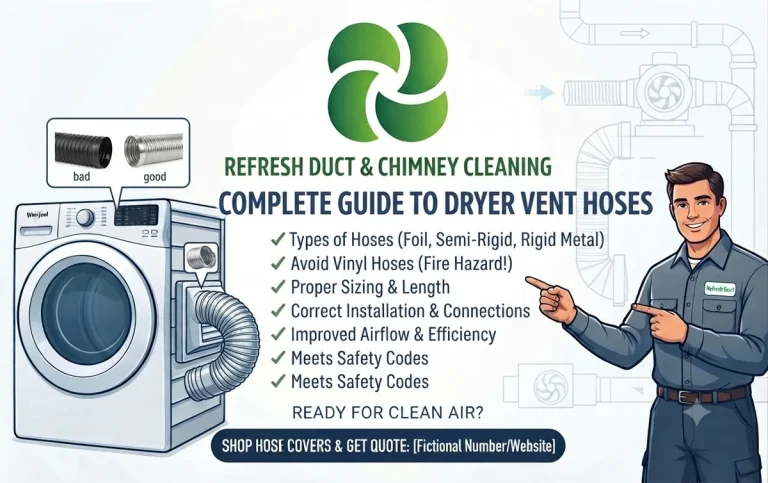
Plastic flexible hoses feature deeply ribbed inner walls that slow down escaping air and trap traveling clothing fibers easily. They are also incredibly fragile and can melt or puncture easily during an amateur cleaning attempt with a drill. Replacing plastic hoses with smooth, rigid metal pipes makes future maintenance much easier and safer for your home.
- Can a dirty vent line cause my appliance to break?
Yes, a restricted air line forces your laundry machine to run significantly longer cycles to dry a single load. This continuous operational strain overheats the internal motor and wears out delicate heating elements much faster than normal. Regular cleaning prevents these premature mechanical failures, saving you from facing expensive appliance replacement costs down the road.
- What happens if my vent exits on a high roof?
If your system exits through a high roof, attempting a DIY clean becomes highly dangerous due to ladder risks. Falling debris can easily blind you while on the ladder, leading to a catastrophic slip or fall accident. Professionals possess specialized roof safety gear and long-reach tools designed to clean high-altitude terminals safely from the ground.
- How do I know if the DIY clean was successful?
You can check the success of your work by observing how fast a standard load of towels dries afterward. The outside exhaust flap should also blow wide open smoothly the moment you turn on the empty appliance cycle. If drying times remain long, a major blockage still exists deeper in the line, requiring expert assistance.
- Does professional cleaning include a safety warranty?
Most reputable home service companies provide a clear workmanship warranty on the cleaning services they perform for your peace of mind. This means if you notice poor airflow or lingering debris within a specific timeframe, they will return to fix it. This operational guarantee is something you simply do not get when attempting the project yourself.