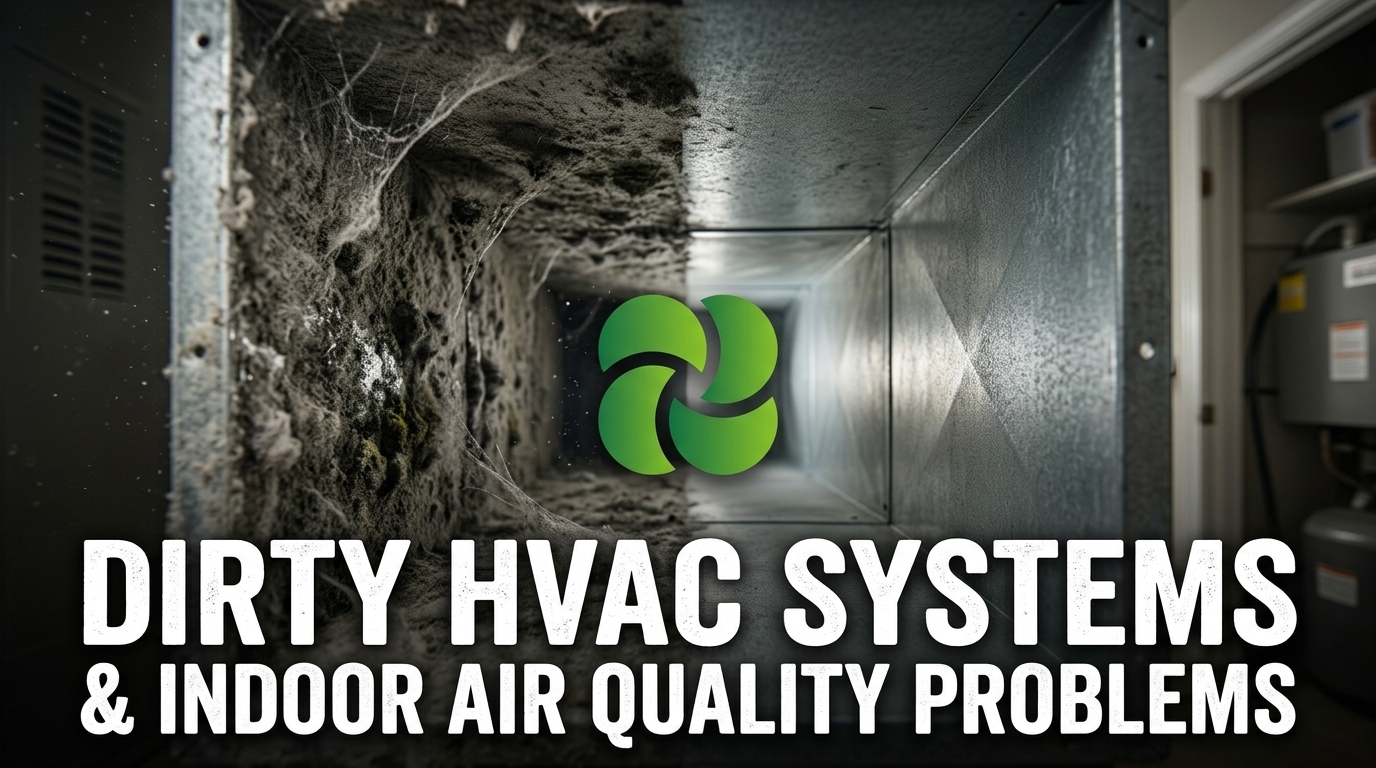
Indoor air quality is a critical aspect of maintaining a healthy living environment. Dirty HVAC systems often circulate dust, allergens, and microbial contaminants, significantly reducing air quality. Many homeowners underestimate the impact of accumulated debris within their heating and cooling systems, unaware that it can exacerbate respiratory problems and reduce system efficiency.
Poorly maintained HVAC systems not only degrade indoor air quality but also increase operational costs and reduce equipment lifespan. Accumulated dust and pollutants in ductwork and on system components can trigger allergy flare-ups and respiratory irritation. Understanding the relationship between HVAC cleanliness and indoor air quality is essential for protecting both health and home comfort.
What Are the Indicators of a Dirty HVAC System?
Detecting a dirty HVAC system early allows homeowners to address potential indoor air quality issues before they escalate. Common indicators include uneven airflow, excessive dust accumulation, and unusual odors emanating from vents. Recognizing these signs ensures timely intervention to prevent prolonged exposure to airborne contaminants.
Clogged or dirty air filters often cause increased energy consumption as the system works harder to maintain desired temperatures. Additionally, dust accumulation on internal components such as coils and blowers can impede airflow, reducing overall HVAC efficiency. Homeowners should schedule routine inspections to identify these warning signs and maintain optimal indoor air quality.
Visible Dust in the Home
Dust settling rapidly on furniture, floors, and electronics is often a sign of recirculated contaminants. Airborne particles from HVAC systems can increase dust levels significantly. Regular monitoring of dust accumulation helps assess whether HVAC cleaning is required.
Unpleasant Odors
Musty, stale, or chemical odors from vents can indicate microbial growth or debris accumulation. These odors often worsen when the HVAC system operates. Professional cleaning can remove odor-causing particles and restore indoor freshness.
Increased Allergy Symptoms
Sneezing, coughing, or watery eyes within the home can signal poor air filtration. HVAC systems that circulate dust, pollen, and pet dander exacerbate these symptoms. Upgrading filters and cleaning ducts can alleviate allergy-related discomfort.
Why HVAC System Cleanliness Is Crucial for Indoor Air Quality
Dirty HVAC systems contribute directly to declining indoor air quality. Dust, pollen, and other pollutants circulate through ducts and vents, increasing allergen exposure and respiratory irritation. Maintaining cleanliness in all components—including filters, coils, and ducts—is essential for optimal air quality.
Microbial contamination, including mold and bacteria, further compounds indoor air quality problems. Moist environments within ductwork and on evaporator coils promote microbial growth. Inhalation of spores or bacteria-laden dust can worsen asthma and chronic respiratory conditions, particularly among vulnerable populations.
Dust Accumulation
Over time, dust settles in ductwork, on filters, and in blower components. Circulation of this dust spreads allergens throughout the home. Routine cleaning prevents excessive airborne dust levels.
Mold and Mildew Growth
High humidity or moisture in ducts creates an ideal environment for mold growth. Mold spores entering the air supply can trigger allergic reactions. Cleaning and dehumidifying ducts reduces microbial proliferation.
Bacterial Contamination
Blower fans and internal system components can harbor bacteria. Airflow distributes these microorganisms, potentially affecting household health. Professional disinfection helps mitigate bacterial exposure.
How Dirty HVAC Systems Affect Health?
Airborne contaminants from unmaintained HVAC systems pose multiple health risks. Inhalation of dust, pollen, mold spores, and bacteria can exacerbate respiratory issues and allergies. Sensitive individuals, including children, elderly residents, and those with asthma, are particularly at risk.
Chronic exposure to dust-laden air can cause nasal irritation, coughing, skin dryness, and even headaches. Long-term exposure may also impact sleep quality and overall well-being. Ensuring HVAC cleanliness mitigates these health risks and promotes a safer indoor environment.
Respiratory Irritation
Dust and allergens can irritate the respiratory tract. Symptoms include sneezing, coughing, and nasal congestion. Consistent maintenance reduces these irritants.
Allergy Exacerbation
Circulated pollen and pet dander increase allergic reactions. Effective filtration and duct cleaning lower allergen levels indoors.
Asthma Triggers
Airborne particles can exacerbate asthma symptoms. Clean ducts and high-efficiency filters reduce exposure to triggers.
Microbial Exposure
Mold and bacteria spread through ducts pose additional health risks. Cleaning HVAC components minimizes exposure and improves air quality.
Dirty HVAC Systems & Indoor Air Quality Problems
This guide explains how dirty HVAC systems affect indoor air quality and provides practical information on common issues, signs, and solutions for maintaining a healthier home environment.
Benefits of Cleaning Dirty HVAC Systems for Better Indoor Air Quality
Removing dirt and contaminants leads to noticeably fresher and cleaner air throughout the living space. Reduced allergens create a more comfortable environment for sensitive individuals. Improved system efficiency often results in better temperature control and comfort. Elimination of mold and bacteria lowers the risk of respiratory infections.
Cleaner components help prevent the spread of viruses and other pathogens. Enhanced airflow distributes fresh air more effectively to all areas. Lower dust levels mean less frequent cleaning of surfaces and furniture. Healthier indoor conditions support better sleep and overall daily wellness. Professional cleaning provides long-lasting improvements in air purity. Investing in this service protects family health while extending equipment life.
Dirty HVAC Systems & Indoor Air Quality Problems Comparison Table
| Issue / Condition | Common Pollutants Involved | Health & Air Quality Effects | Recommended Action |
|---|---|---|---|
| Dusty and Clogged Air Filters | Dust, pollen, pet dander | Increased allergies, reduced airflow | Replace filters every 1-3 months |
| Dirty Evaporator and Condenser Coils | Mold, bacteria, dirt buildup | Musty odors, higher humidity, respiratory issues | Professional coil cleaning annually |
| Accumulated Duct Debris | Dust mites, fiberglass, debris | Circulating particles, poor air distribution | Duct cleaning every 3-5 years |
| Mold Growth in HVAC Components | Mold spores, mildew | Allergic reactions, asthma triggers | Immediate mold remediation and moisture control |
| Pet Dander Buildup | Pet hair, skin flakes, saliva | Pet allergies, constant sneezing | More frequent filter changes and duct cleaning |
| Smoke Residue from Cigarettes | Tar, nicotine, chemicals | Odors, lung irritation, long-term buildup | Specialized smoke removal cleaning |
| Pollen and Outdoor Contaminants | Seasonal pollen, outdoor dust | Seasonal allergies, sinus problems | Upgrade to high-MERV filters |
| Bacteria and Virus Harboring | Biological contaminants | Increased illness spread in home | UV lights and regular disinfection |
| Rodent or Insect Infestation | Droppings, body parts, allergens | Severe allergies, unpleasant odors | Pest control + full system cleaning |
| High Humidity in System | Mold, mildew, bacterial growth | Damp air, musty smells, health risks | Fix drainage issues and clean coils |
| Dirty Blower Motor and Fan | Dust on moving parts | Reduced efficiency, louder operation | Annual professional maintenance |
| Leaking Ducts with Dirt | External pollutants, insulation fibers | Energy waste + more contaminants | Duct sealing and cleaning |
| Post-Renovation Debris | Construction dust, particles | Respiratory irritation, long-term buildup | Immediate post-construction cleaning |
| Wildfire Smoke Exposure | Fine smoke particles, chemicals | Severe air quality drop, health concerns | Thorough cleaning and filter replacement |
| Neglected Drain Pans | Standing water, mold, bacteria | Musty smells, water damage risks | Clean and treat drain lines regularly |
| Volatile Organic Compounds (VOCs) | Household chemicals, cleaners | Headaches, eye irritation, poor air | Source control + system cleaning |
| Clogged Condensate Drains | Slime, algae, debris | Water overflow, mold growth | Regular drain line maintenance |
| Older Systems with Heavy Buildup | Multiple layered contaminants | Chronic poor air quality, inefficiency | Deep cleaning and possible upgrades |
| Homes with Multiple Allergies | Mixed allergens and irritants | Worsened symptoms year-round | Comprehensive IAQ improvement plan |
| High Occupancy Households | Skin cells, dust, microbes | Faster pollutant accumulation | Increased maintenance frequency |
| Homes with Carpets | Trapped dust released into system | Continuous dust circulation | Regular vacuuming + HVAC cleaning |
| Indoor Plants Contributing Pollen | Plant pollen, soil particles | Mild allergies, dust buildup | Balanced plant care + filter upgrades |
| After Pest Control Treatments | Chemical residues, dead insects | Chemical odors, particle spread | System flush and cleaning |
This table covers common problems associated with dirty HVAC systems and their effects on indoor air quality. Always consult a qualified HVAC professional for thorough inspection and cleaning services tailored to your home.
When Should Professional HVAC Cleaning Be Scheduled?
Professional HVAC cleaning is recommended when indoor air quality problems persist despite routine maintenance. Visible dust blowing from vents, musty odors, and persistent allergy symptoms indicate internal contamination. Timely professional cleaning prevents escalation of health risks and system inefficiency.
Renovation, remodeling, or significant home dust exposure also warrants professional inspection. Debris from construction can accumulate in ducts, coils, and blowers, creating a dust reservoir. Post-renovation cleaning ensures contaminants are removed effectively.
Does Filter Quality Influence Indoor Air Quality?
Filter quality plays a critical role in maintaining indoor air purity. Standard or poorly maintained filters fail to capture fine dust particles, allowing them to circulate freely. High-efficiency filters, including HEPA or MERV-rated filters, are more effective at trapping allergens and debris.
Regular replacement of filters prevents accumulation and ensures that airflow remains optimal. Homes with pets or located in areas with high pollen counts benefit significantly from enhanced filtration systems.
What Maintenance Practices Improve Indoor Air Quality?
A comprehensive maintenance plan addresses all potential sources of contaminants. This includes filters, ducts, coils, vents, and humidity control. Preventive measures reduce the risk of microbial growth and dust recirculation.
Regular Filter Replacement
Filters should be replaced every 30–60 days. Clean filters capture dust, pollen, and allergens efficiently.
Duct Cleaning
Professional duct cleaning removes accumulated dust and debris. It prevents repeated circulation of contaminants.
Coil and Blower Cleaning
Dirty coils and blower components reduce airflow efficiency. Cleaning restores optimal system performance.
Vent and Register Cleaning
Surface dust on vents contributes to the indoor particle load. Cleaning vents limits the redistribution of dust into rooms.
How HVAC Cleaning Improves Energy Efficiency?
A clean HVAC system operates more efficiently, reducing energy consumption and lowering bills. Dust accumulation on coils, fans, and duct interiors restricts airflow, forcing the system to work harder to maintain temperature.
Professional maintenance ensures smooth operation, proper airflow, and optimal energy use. Clean systems reduce strain on mechanical components and extend equipment lifespan.
Signs Your HVAC System Is Affecting Air Quality
A dirty or poorly maintained HVAC system can silently reduce indoor air quality and impact your overall comfort. Over time, small warning signs begin to appear that indicate your system is circulating polluted air. Identifying these signs early can help you take action before serious health or efficiency issues develop.
- Visible Dust Around Vents: Dust buildup near vents suggests your system is pushing contaminated air into your home. It often means filters or ducts need cleaning.
- Unpleasant or Musty Odors: Bad smells coming from vents can indicate mold or bacteria inside the system. These odors usually become stronger when the HVAC is running.
- Increased Allergy Symptoms: Frequent sneezing, coughing, or itchy eyes indoors may be caused by airborne allergens. Dirty systems continuously circulate these irritants.
- Uneven Airflow in Rooms: Inconsistent temperatures or weak airflow may signal blocked or dirty ducts. This also reduces proper air circulation.
- Excess Humidity Indoors: High moisture levels can result from an inefficient HVAC system. This creates an environment where mold and mildew can grow.
- Frequent Headaches or Fatigue: Poor air quality can affect your comfort and energy levels. You may feel tired or develop headaches after staying indoors.
- Strange Noises from the System: Unusual sounds can indicate dirt buildup or mechanical strain. This often affects both system performance and air quality.
What Are the Costs of Cleaning a Dirty HVAC System?
The cost of resolving dust and contamination issues varies depending on system size, condition, and required services. Basic filter replacement is inexpensive, whereas full duct cleaning, coil servicing, and duct sealing require professional intervention. Investing in preventative maintenance is more cost-effective than addressing health issues or system failures later.
| Service Type | Average Cost Range | Purpose | Benefit |
| Filter Replacement | $20 – $60 | Improve filtration | Reduces airborne dust and allergens |
| Professional Duct Cleaning | $350 – $900 | Remove internal debris | Improves airflow and air quality |
| Coil Cleaning | $200 – $500 | Restore system efficiency | Enhances airflow and reduces energy consumption |
| HVAC Tune-Up | $150 – $400 | Inspect and clean components | Prolongs equipment life |
| Duct Sealing | $400 – $1,200 | Prevent leaks | Reduces contamination and improves efficiency |
Key Steps to Prevent Indoor Air Quality Problems
- Replace air filters every 30–60 days to maintain optimal airflow and filtration.
- Schedule annual professional inspections and cleaning for ducts, coils, and blower fans.
- Seal ductwork to prevent debris and microbial contamination from entering the system.
- Clean supply and return vents regularly to reduce surface dust accumulation.
- Maintain balanced humidity (40–50%) to reduce particle suspension and mold growth.
Conclusion
Dirty HVAC systems significantly contribute to poor indoor air quality, spreading dust, allergens, and microbial contaminants. Addressing HVAC maintenance ensures cleaner, healthier air while improving system efficiency and longevity. Implementing proper filter management, duct cleaning, and component maintenance reduces exposure to harmful particles and prevents long-term health risks.
A proactive approach to HVAC maintenance supports optimal indoor air quality and enhances comfort. Professional inspections, high-quality filters, and routine cleaning collectively mitigate dust and allergen circulation. Investing in these measures ensures cleaner air, energy efficiency, and a healthier living environment for all household members.
Frequently Asked Questions
1. Can HVAC systems spread viruses?
Yes, airborne viruses can circulate through ductwork. Regular cleaning and high-efficiency filters reduce viral transmission indoors.
2. Are ductless systems less prone to dust issues?
Ductless systems have fewer ducts but still require filter maintenance. Dust can accumulate on internal units without proper care.
3. Can dirty coils affect air humidity?
Yes, clogged coils impair dehumidification. Cleaning coils improves indoor humidity control.
4. Does location affect HVAC dust accumulation?
Homes in dusty or high-pollen areas experience more airborne particles. Frequent filter changes help mitigate these effects.
5. Are UV lights effective against microbial growth?
UV lights on coils reduce mold and bacteria proliferation. They are a useful addition to clean HVAC systems.
6. Can HVAC maintenance improve energy bills immediately?
Yes, removing dust and debris improves airflow, reducing energy consumption. Savings can be noticeable after servicing.
7. Should ducts be cleaned after water damage?
Absolutely, moisture introduces mold and bacterial growth. Immediate cleaning prevents health hazards.
8. Can poor HVAC maintenance void warranties?
Neglecting recommended maintenance may void manufacturer warranties. Regular servicing ensures warranty compliance.