
Using a clothes dryer at home makes daily chores significantly easier, but a hidden fault in its venting system can negatively affect the entire appliance. Many homeowners accidentally push their heavy dryer too close to the laundry room wall, flattening the flexible hose behind the unit. This pinched and flattened tube is known as a crushed dryer vent, which looks like a minor structural issue but causes severe operational problems.
When the natural exhaust pathway is restricted, superheated air and heavy moisture stay trapped inside the machine instead of venting outside safely. In this informative article, we will discuss exactly why these dangerous venting problems occur and how homeowners can fix them easily. We will explore all the vital warning signs and essential preventive maintenance tips required to protect your home from major unexpected hazards.
Crushed Dryer Vent Problems
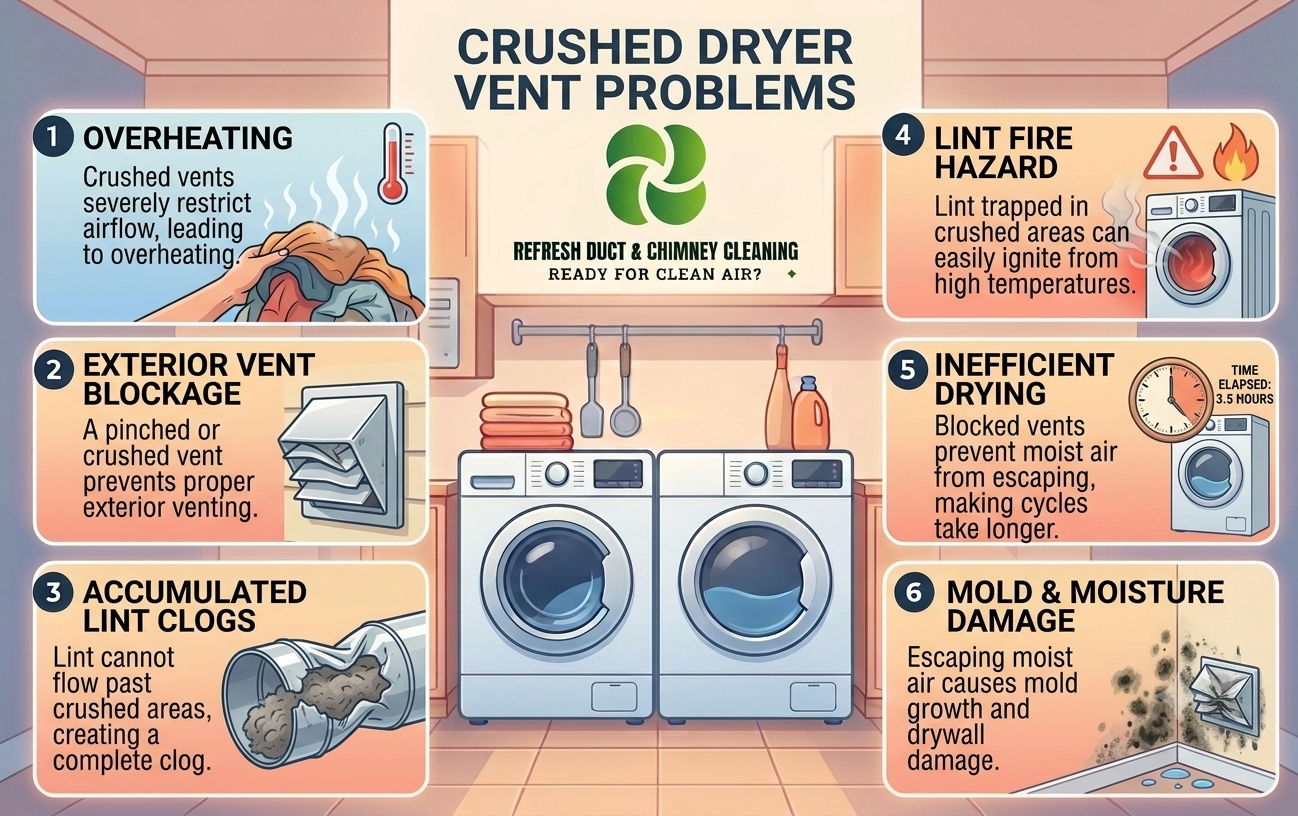
The biggest problem with a flattened dryer vent is that it severely restricts exhaust airflow. In many cases, dryer vent cleaning Los Angeles is also needed to remove lint buildup that further blocks the vent system. Because the superheated air cannot escape properly, internal temperatures rise rapidly, increasing the risk of igniting trapped lint. This restriction also forces your clothes to take much longer to dry because moisture has no clear path to escape.
Running the appliance under such intense backpressure puts extreme strain on the motor and sensitive internal electronic parts, causing premature burnout. If you fail to straighten out or completely replace this damaged piece of pipe quickly, the entire laundry unit will break down. Therefore, identifying this venting problem and fixing it immediately remains completely vital for the structural safety and protection of your household.
Understanding Airflow Restrictions
When a dryer vent becomes pinched or crushed behind the unit, system air pressure drops significantly, creating a dangerous restriction. This lack of proper movement causes loose, highly flammable clothing lint to settle and accumulate heavily right inside the flattened pipe section. Over time, this trapped debris creates an even thicker internal clog that makes natural air movement entirely impossible through the ventilation duct.
Due to this restriction, your dryer has to work much harder during normal routines, completely losing its original factory efficiency. When your laundry system operates without a clean exhaust path, it experiences massive energy waste and spikes your monthly utility bills. Keeping system airflow entirely natural and unrestricted ensures that no unnecessary strain is placed on the appliance, allowing it to function properly.
The Impact on Appliance Longevity
- A flattened dryer vent not only reduces daily drying efficiency but also severely cuts down the overall operational lifespan of your appliance.
- When your laundry machine is forced to operate against a restricted exhaust path, the internal heating element stays on continuously, causing early failure.
- The electric motor experiences immense strain trying to push air out, which leads to overheating issues and sudden mid-cycle breakdowns.
- A high-quality clothes dryer designed to last a decade can easily fail within just two or three years due to these venting problems.
- Letting basic maintenance slide and ignoring a flat, damaged pipe means you will likely have to buy a costly new appliance very soon.
- Consistently inspecting the physical shape of your vent pipe is the cheapest and easiest way to preserve long-term appliance longevity.
Household Safety Risks Exposed
Flattened transition ducts present a silent, highly dangerous threat to your household because they act as a leading cause of residential fires. Accumulating lint consists of highly flammable fabric fibers that ignite instantly when exposed to the extreme temperatures trapped inside a restricted pipe. Furthermore, if your home utilizes a gas-powered dryer, a crushed exhaust line can cause toxic, odorless carbon monoxide gas to leak backward.
This dangerous gas can quickly spread into your living spaces, posing a severe and life-threatening health risk to your entire family. Additionally, trapped moisture escaping from cracks creates an ideal environment for toxic mold spores and foul musty odors to ruin your walls.
Extended Drying Times for Clothes
Superheated, moist air cannot escape the machine, leaving your clothing damp and wet after a normal factory cycle finishes. You are forced to run the same laundry load through multiple consecutive cycles, which thrashes the motor and wastes time.
Excessive Heat in Laundry Area
When the exhaust path is pinched shut, trapped heat escapes outward into the immediate surrounding laundry room environment instead of exiting outdoors. The room becomes intensely humid, uncomfortable, and hot, making it difficult to stand inside the space while working.
Hot to Touch Dryer Exterior
If the external metal body of the machine or the clothes inside feel intensely hot when a cycle ends, your vent is faulty. The blocked airflow prevents heat dissipation, forcing the thermal energy to trap directly inside the steel cabinet of the unit.
Musty Odor on Fresh Laundry
Damp moisture from wet clothes becomes trapped inside the flat sections of the pipe, turning back into standing pools of stagnant water. This trapped liquid creates a foul, damp environment that leaves your freshly washed clothes smelling bad and musty.
Visible Mold on Walls
Humid air leaking from the cracked or crushed points of the hose builds up high moisture levels along nearby interior walls. This continuous dampness quickly develops into ugly black mold colonies that destroy drywall, ruin paint, and degrade structural wood.
Premature System Shut Offs
Modern clothes dryers feature built-in safety sensors that cut off electrical power automatically whenever internal cabinet temperatures become dangerously high. If your appliance suddenly shuts down completely before finishing a normal drying cycle, your vent line is likely crushed flat.
Step by Step Inspection Process
- To safely inspect your dryer vent line, first pull the power plug out of the wall outlet to eliminate electrical hazards.
- Slowly and carefully slide the heavy machine away from the wall to avoid crushing the transition duct any further during movement.
- Turn on a bright flashlight and inspect the flexible aluminum or foil hose attached to the back of the exhaust collar.
- Check if the pipe looks flattened, pinched, or completely collapsed flat against the hard surface of the laundry room drywall.
- Examine the connecting joints to ensure no lint or hot air is actively leaking out into your living space.
- Finally, check the exterior wall hood outside your home to ensure exhaust air is blowing out with strong, steady force.
Comprehensive Dryer Vent Issues & Repair Solutions
| Visual Sign | Root Cause | Immediate Action Needed |
| Foil hose looks completely flat behind unit | Dryer pushed too close against the hard back wall | Pull unit forward and install a rigid metal elbow |
| High humidity inside the laundry room | Hot moist air escaping through cracks in crushed hose | Remove damaged flexible foil and replace with solid pipe |
| Machine stops running after ten minutes | Thermal safety switch cutting power due to high heat | Clear internal blockage and restore uncrushed shape |
| Lint accumulation on the floor behind dryer | Loose joints caused by crushed pipe pulling apart | Reconnect joints tightly using professional metal clamps |
| Musty smell coming from inside the drum | Standing water pooling inside the sagging flat spots | Straighten the run to prevent water from collecting |
| Clothes require multiple full cycles to dry | Restricted airflow slowing down the evaporation speed | Install a recessed wall box to save pipe space |
| Exterior vent cover showing zero air movement | Total blockage at the point where the hose is crushed | Turn off appliance and clear the crushed section completely |
| Strange rattling noise during operation | Imbalance caused by heavy lint inside damaged sections | Secure loose brackets and replace warped vent parts |
| Burning odor coming from hot clothing | Overheating lint trapped near the internal element | Discontinue use immediately until vent line is replaced |
| Plastic flexible hose melting or wrapping | Inferior material collapsing under normal operating heat | Upgrade entire venting line to code-compliant rigid steel |
Choosing the Right Venting Material
Selecting the correct installation materials is the single most important decision you can make to prevent future dryer vent problems. Cheap, outdated plastic or flexible foil hoses bend out of shape easily and crush flat the moment your dryer bumps the wall. Solid rigid metal pipes, made from heavy steel or thick aluminum, are universally considered the best choice because they cannot flatten.
These durable rigid lines feature completely smooth interior walls, which allows loose fabric lint to pass outside without sticking or accumulating. If you have limited space behind your unit, utilize a semi-rigid metal duct but handle it carefully to avoid severe kinks.
Rigid Metal Pipes Superiority
Solid metal pipes never lose their round shape and easily withstand intense physical pressure without cracking, flattening, or crushing behind appliances. Their smooth interior pathway maximizes exhaust velocity while significantly improving your home fire safety levels over alternative choices.
Flexible Aluminum Hose Limitations
While these flexible lines are highly affordable and easy for beginners to install, they collapse flat under minimal structural compression. Their ribbed interior design catches loose lint easily, increasing the likelihood of deep blockages forming over time.
Banned Semi Rigid Plastic Hoses
Flimsy plastic flexible hoses pose a severe residential fire hazard and should never be used on modern high-heat clothes dryers. This weak material melts rapidly under high operating temperatures and pinches shut under the slightest external pressure.
Using Recessed Vent Boxes
For cramped laundry rooms, installing a recessed vent box directly into the drywall gives your exhaust hose extra structural space. This protective metal enclosure allows you to push the dryer closer to the wall without crushing the pipe.
Importance of Heavy Duty Clamps
Connecting your ventilation joints with heavy-duty metal tension clamps is far superior to relying on cheap, temporary plastic tape products. Metal clamps provide mechanical strength, ensuring the intense vibration of the running machine never pulls the duct connections apart.
Smooth Internal Walls Advantage
Ductwork featuring completely smooth internal walls gives floating fabric lint zero rough textures or deep ridges to catch or stick onto. This frictionless design allows debris to exit cleanly, making annual maintenance routines much faster and simpler.
Long Term Maintenance Benefits
- Sticking to a long-term maintenance schedule ensures your clothes dryer always runs at its peak original factory performance levels.
- Routinely checking your vent lines helps you avoid unexpected system breakdowns, saving you from expensive, emergency appliance replacement costs.
- Proper exhaust ventilation lowers your monthly electricity bills because the machine dries heavy loads in a single short cycle.
- Your home remains fully protected against accidental laundry fires and toxic gas leaks caused by hidden structural pipe failures.
- Spending a few minutes checking your ventilation lines keeps your home safe and ensures an efficient laundry setup.
Conclusion
Crushed dryer vent problems represent a hidden, silent hazard that can easily ruin your expensive laundry appliance and damage your property. In this article, we explored how a flattened pipe slows down drying speeds, wastes massive amounts of energy, and increases fire risks. The absolute best solution to avoid these common issues is replacing weak plastic or foil hoses with durable, rigid metal ducts.
Always leave a safe gap between your dryer and the wall to keep the natural exhaust airflow strong and steady. Consistent physical inspections and regular cleanings extend the lifespan of your machine while saving substantial money on utility bills. Taking proper care of your appliance’s venting system is a vital step toward protecting your home and family over the long term.
FAQs
1. What happens if my dryer vent is crushed behind the machine?
When your vent pipe is flattened, superheated air and damp moisture cannot escape from the laundry machine. This restriction causes your dryer to overheat, leaves clothes damp, and severely increases household fire hazards.
2. Can a crushed dryer vent increase my monthly electricity bills?
Yes, a flattened pipe forces your dryer to run for twice as long to dry a standard load of laundry. This continuous overworking consumes massive amounts of extra energy, leading to a noticeable spike in monthly utility costs.
3. How can I protect my dryer vent from getting crushed?
Always leave a safe structural gap of 4 to 6 inches between the back of the machine and the wall. Upgrading to solid rigid metal pipes or installing a recessed wall box will effectively prevent the line from flattening.
4. Why does my dryer turn off automatically after a few minutes?
This sudden shutdown occurs when a crushed pipe blocks airflow, causing extreme heat to trap inside the appliance cabinet. The dryer’s built-in safety switch cuts off electrical power automatically to prevent an accidental fire from starting.
5. What is the safest material to replace a crushed foil hose?
Solid rigid metal or heavy-duty aluminum ducting is the safest, most durable material choice available for residential dryers. These strong pipes cannot flatten under pressure and keep your exhaust pathway completely smooth and fire-safe.
6. How do I know if my dryer airflow is restricted?
If your clothes remain wet after a normal full cycle, or your laundry room feels intensely hot and humid, airflow is restricted. These symptoms indicate that a flattened pipe or a deep clog is choking the exhaust line.
7. Can I use regular duct tape to fix a damaged vent joint?
No, standard plastic duct tape cannot withstand the intense heat of a dryer and its adhesive backing dries out quickly. Always utilize specialized aluminum foil tape or heavy-duty metal clamps to secure your ventilation joints permanently.
8. Why is there a musty smell on my clothes after drying them?
When a vent pipe is flattened, humid air condenses inside the restricted area and turns into pools of stagnant water. This trapped liquid breeds bacteria, creating a foul musty smell that ruins your clean laundry.
9. Is plastic flexible venting safe for modern clothes dryers?
No, flexible plastic venting is highly unsafe and is actively banned by modern residential safety and building codes. Plastic hoses crush flat under minimal pressure and melt instantly if the appliance experiences an internal overheat issue.
10. How often should I visually inspect the pipe behind my dryer?
You should visually inspect the transition duct behind your laundry machine at least once every three to six months. It is important to verify that the pipe has not been flattened out of shape after moving the machine for cleaning.