
Maintaining your household laundry appliances is essential for ensuring everyday efficiency, safety, and long-term performance. Among the various upkeep tasks, cleaning the exhaust pathway of your Samsung dryer is one of the most important. Over time, tiny fabric fibers bypass the lint filter and accumulate inside the exhaust duct, restricting airflow and reducing efficiency. Regular maintenance, combined with professional dryer vent cleaning Los Angeles services, helps remove lint buildup, improve dryer performance, lower energy consumption, and reduce the risk of dryer-related fire hazards.
If left unaddressed, this hidden buildup severely restricts airflow, forces the heating element to overwork, and creates a major fire hazard. This comprehensive guide provides clear, easy-to-follow methods for keeping your system clean, optimized, and completely safe for your household.
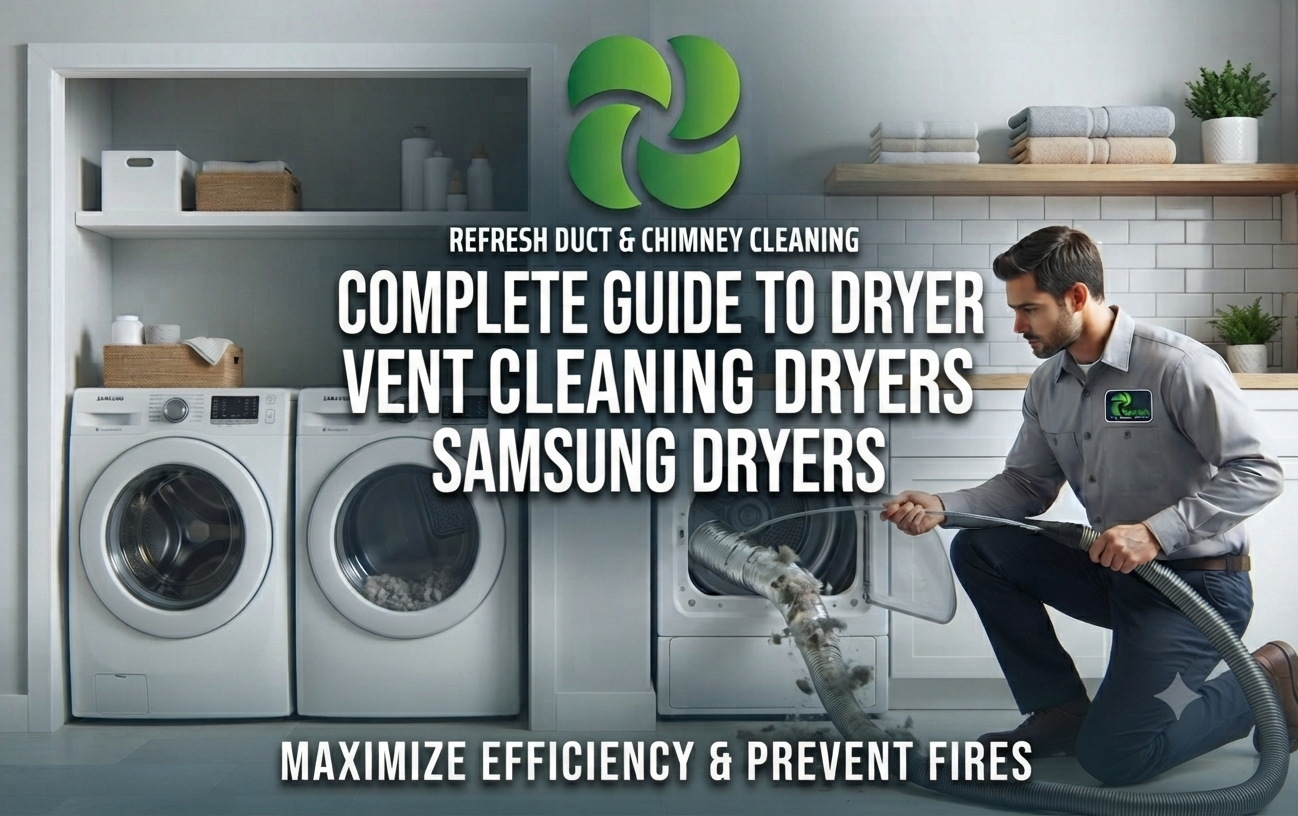
Dryer Vent Cleaning for Samsung Dryers
Properly managing exhaust maintenance for your Samsung dryer involves understanding how modern laundry units handle hot, moist airflow. Samsung appliances feature advanced sensor drying technologies that rely on unobstructed ventilation to measure moisture levels accurately during cycles.
When lint clogs the exit pipe, the internal sensors can misread humidity, causing clothes to remain damp even after extended runtime. Routine cleaning prevents these operational glitches and ensures your machine performs at its absolute peak manufacturer standards. Dedicating time to clear the ventilation path also protects delicate internal electronic components from overheating and premature failure.
Understanding the Internal Airflow System of Samsung Dryers
- Samsung dryers are engineered with high-velocity blower fans designed to push lint and moisture efficiently through rigid or flexible metal ductwork.
- The journey begins right past the lint trap filter, travels down through the internal blower housing, and exits toward the exterior wall cap.
- Because these machines move a high volume of air quickly, any constriction in the outside line creates immediate backpressure inside the drum housing.
- Recognizing how this airflow pathway operates helps you identify subtle performance drops before they escalate into costly mechanical repairs.
- Keeping every section of this route clear guarantees smooth, uninterrupted ventilation during every single laundry load.
Common Signs That Your Samsung Dryer Needs Vent Cleaning
- Recognizing the early warning indicators of a blocked exhaust system can save you from unexpected appliance breakdowns and dangerous safety situations.
- One of the most common signs is noticing that your clothes take two or three complete cycles to dry fully.
- You might also feel excessive heat building up inside the laundry room or notice that the top surface of the appliance feels very hot.
- Additionally, a musty odor or a burning smell during operation is a critical red flag that demands immediate inspection and thorough duct cleaning.
- Paying attention to these symptoms ensures you address ventilation restrictions promptly before permanent damage occurs.
Why Regular Maintenance Prevents Appliance Damage
Skipping routine maintenance on your Samsung dryer places an immense amount of mechanical strain on the motor, heating coils, and thermostat fuses. When exhaust air cannot escape freely, thermal energy gets trapped inside the cabinet, causing internal safety fuses to trip repeatedly. Replacing these thermal fuses requires technical expertise and unnecessary repair expenses that could easily be avoided with simple preventative care.
Furthermore, excessive heat warps plastic housing components and degrades rubber seals over time, shortening the lifespan of your valuable laundry investment. Establishing a consistent cleaning schedule protects your machine’s hardware and maintains reliable, trouble-free operation for many years.
Step-by-Step Overview of Exhaust Duct Maintenance
Cleaning the exhaust system requires a systematic approach, starting with unplugging the appliance from the electrical wall outlet safely. Next, carefully pull the Samsung dryer forward to gain full access to the metal exhaust duct connected at the rear. Disconnect the flexible transition hose from the back of the machine and use a specialized long-handled brush to remove trapped debris.
Proceed to clean the entire length of the outdoor ductwork by feeding flexible cleaning rods outward toward the exterior wall cap. Finally, vacuum any remaining dust, reconnect all fittings securely, and run a short test cycle to verify proper airflow.
Preparing Your Samsung Dryer for Safe Cleaning
Before starting any maintenance work, you must disconnect the power supply to prevent accidental electrical shocks or injuries. For electric models, unplug the heavy cord from the wall socket; for gas models, carefully shut off the gas supply valve.
Inspecting the Rear Transition Duct Hose
The flexible transition hose connecting the back of your Samsung dryer to the wall duct is a primary hotspot for dense lint accumulation. Carefully detach this hose from both ends and inspect the interior material for tears, kinks, or severe clogs.
Using Specialized Brushes for Deep Duct Scrubbing
Standard household cleaning tools cannot reach deep inside long wall exhaust pipes where stubborn lint layers stick to the walls. Investing in a rotary dryer vent cleaning kit with extendable flexible rods allows you to scrub the entire duct interior thoroughly.
Vacuuming Residual Debris from the Housing Area
Once the physical brushing process loosens the trapped fibers, a powerful shop vacuum becomes essential for extracting the loose waste material. Attach a long crevice tool to your vacuum hose and reach inside the rear exhaust port of the Samsung dryer.
Checking and Cleaning the Exterior Wall Cap
The final destination for exhausted laundry air is the exterior wall vent cap, which is frequently prone to outdoor blockages. Walk outside to inspect the outer flapped hood, checking for accumulated lint, spider webs, or trapped outdoor debris.
Testing System Performance After Maintenance
After reassembling all duct connections and pushing your Samsung dryer back into position, you must verify that the ventilation system works correctly. Plug the appliance back into the power source and run a brief air-fluff or low-heat cycle for a few minutes.
Best Practices for Long-Term Samsung Dryer Performance
- Maintaining peak performance from your Samsung laundry appliance requires adopting simple, consistent daily habits alongside deep seasonal cleaning routines.
- Always remember to clean the internal lint filter before or after every single drying load to minimize debris traveling into the ducts.
- Avoid overloading the drum with too many wet garments at once, as crowding restricts internal air circulation and slows drying times.
- Additionally, periodically inspect the exterior wall cap during changing weather seasons to ensure no outdoor blockages have formed.
- Following these proactive guidelines keeps your dryer running efficiently, lowers utility costs, and prevents unexpected mechanical breakdowns.
Comprehensive Samsung Dryer Vent Maintenance Comparison
| Maintenance Method | Required Tools | Frequency | Difficulty Level | Safety Impact | Cost Impact | Airflow Restoration | Time Commitment | Equipment Longevity | Professional Need |
| Lint Filter Cleaning | None (Hand Removal) | Every Load | Very Easy | High | Low | Essential | 1 Minute | Maximum | None |
| Transition Hose Check | Screwdriver & Gloves | Every 3 Months | Easy | High | Low | Moderate | 15 Minutes | High | None |
| Rotary Duct Brushing | Vent Cleaning Kit & Drill | Semi-Annually | Moderate | Maximum | Moderate | High | 45 Minutes | Maximum | Optional |
| Vacuum Extraction | Shop Vacuum & Crevice Tool | Semi-Annually | Easy | High | Low | Moderate | 20 Minutes | High | None |
| Exterior Cap Service | Soft Brush & Ladder | Seasonally | Easy | Moderate | Low | Moderate | 15 Minutes | Moderate | None |
| Full Professional Clean | High-Pressure Air Systems | Annually | Advanced | Maximum | High | Maximum | 2 Hours | Maximum | Required |
Troubleshooting Common Samsung Dryer Airflow Problems
Addressing minor ventilation issues promptly helps you avoid error codes and keeps your laundry routine running smoothly without frustrating interruptions. Samsung appliances are equipped with smart diagnostic sensors that display specific error codes, such as check lint filter warnings, when airflow drops.
If your machine stops midway through a cycle or displays heating errors, a blocked duct is frequently the root cause. Clearing out the obstruction restores normal air pressure and clears any warning lights flashing on your digital control panel. Understanding these troubleshooting steps empowers you to resolve minor operational hiccups quickly and safely at home.
Diagnosing Smart Error Codes Related to Airflow
Modern Samsung dryers feature advanced sensor systems that monitor exhaust efficiency and display specific warning codes when airflow becomes restricted. If your control panel flashes restriction alerts or indicator lights, it means the appliance detects too much backpressure in the duct.
Resolving Incomplete Drying Cycles
When damp garments require multiple consecutive cycles to dry completely, it points directly to poor ventilation and trapped moisture inside the drum. The restricted exhaust pathway traps humid air inside the appliance, preventing wet clothes from releasing moisture into the ventilation system.
Fixing Overheating and Thermal Fuse Trips
Excessive lint accumulation acts as an insulator, trapping intense heat generated by the heating coils inside the dryer cabinet. If temperatures rise too high, the internal safety thermal fuse blows permanently to cut off electrical power and prevent fires.
Correcting Unusual Noises During Operation
A blocked or damaged exhaust duct can sometimes create unusual whistling, rattling, or thumping sounds while the appliance motor runs. These noises often happen when high-velocity air struggles to push past crushed transition hoses or jammed exterior louvers.
Managing Excessive Condensation in the Room
If you notice excessive humidity, condensation, or water droplets forming on walls near your laundry setup, the exhaust duct may be leaking. A cracked transition hose or a poorly sealed wall connection allows hot, moist air to escape directly into your indoor space.
Improving Overall Appliance Energy Efficiency
Restricted exhaust lines force your Samsung dryer to run longer, hotter cycles, consuming significantly more electricity or gas every month. Removing built-up lint allows the blower fan to push air freely with minimal resistance and lower motor strain.
Conclusion
Maintaining a clean and unobstructed exhaust system is vital for the safe, efficient operation of your Samsung laundry appliance. By following structured cleaning steps, regularly checking transition hoses, and monitoring exterior wall caps, you protect your home from hazards. Routine maintenance prevents frustrating error codes, extends equipment lifespan, and significantly reduces monthly energy consumption during every laundry cycle.
Investing a small amount of time into proper duct care guarantees peace of mind and reliable appliance performance year-round. Ultimately, prioritizing vent safety ensures a comfortable, hazard-free, and energy-efficient home environment for you and your family.
Frequently Asked Questions (FAQs)
- Why is vent cleaning important specifically for Samsung dryers?
Samsung dryers use advanced electronic sensors that rely on steady airflow to measure laundry moisture levels accurately during operation. When lint clogs the exhaust duct, these sensors misread humidity, leading to incomplete drying cycles and potential overheating. Routine maintenance keeps the ventilation path clear, protects sensitive internal electronics, and ensures your appliance functions at peak manufacturer efficiency. - How often should I clean the exhaust duct on my Samsung dryer?
You should thoroughly inspect and clean the exhaust duct connected to your Samsung dryer at least once every six months. Households with heavy daily laundry loads or pet owners should perform this deep cleaning schedule every three to four months. Regular servicing prevents dangerous lint buildup and maintains strong, uninterrupted airflow throughout the entire ventilation system. - What Samsung error codes indicate a blocked dryer vent?
Blocked ventilation lines on modern Samsung appliances often trigger specific digital error codes or check filter warning lights on the display panel. These alerts notify you when the machine detects high backpressure and restricted airflow inside the exhaust pathway. Addressing the blockage immediately clears these warning indicators and prevents the appliance from shutting down automatically for safety. - Can a clogged dryer vent cause a household fire?
Yes, accumulated lint is a highly combustible material that ignites easily when exposed to the high temperatures generated by dryer heating coils. If a blocked vent traps this heat inside the appliance cabinet, the risk of a destructive residential fire increases dramatically. Keeping the entire exhaust pathway clean removes this severe hazard and guarantees safe operation during every cycle. - How do I disconnect my Samsung dryer to access the vent?
First, unplug the power cord from the wall outlet and turn off the gas supply valve if you operate a gas model. Carefully pull the appliance forward while protecting your flooring to create enough space to reach the rear connection. Disconnect the flexible transition hose from the back exhaust port to begin your inspection and cleaning process safely. - What tools do I need to clean a dryer vent properly?
Essential tools include a flexible rotary vent cleaning brush kit, extendable rods, a standard screwdriver, and a powerful shop vacuum. A flashlight helps you inspect dark duct interiors, while work gloves protect your hands from sharp metal edges. Using these specialized tools ensures you reach deep into wall ducts to extract stubborn, compacted lint blockages effectively. - What is the best type of transition hose to use?
Rigid or semi-rigid aluminum metal ducts are the safest and most efficient choices for connecting your dryer to the wall opening. Avoid using cheap plastic or flexible foil transition hoses, as they sag easily and trap lint inside their corrugated ridges. Installing smooth metal ductwork improves airflow velocity and significantly reduces the risk of accidental fires. - Why do my clothes still feel damp after a full cycle?
Damp laundry usually indicates that a blocked or crushed exhaust duct is trapping humid air inside the appliance drum. Because moisture cannot escape freely, your Samsung dryer cannot dry the garments effectively despite completing a standard runtime cycle. Cleaning out the lint blockage restores proper air pressure and allows your clothes to dry completely on schedule. - How does vent maintenance help lower my utility bills?
A clean exhaust path allows the internal blower fan to push air out effortlessly with minimal electrical motor strain and energy consumption. When vents are clogged, the dryer must run longer, hotter cycles to compensate, which drives up your monthly utility expenses significantly. Maintaining an open ventilation route ensures optimal energy efficiency and reduces the time needed for every laundry load. - Should I hire a professional for Samsung dryer vent cleaning?
While routine maintenance and basic duct brushing can be easily managed as a DIY project, professional help is recommended for complex setups. If your exhaust line runs a very long distance, features multiple sharp bends, or exits through the roof, hiring experts ensures complete cleaning. Professionals use high-pressure air systems to clear out deep, inaccessible blockages that standard home tools cannot reach.