
Dryer vents are an important part of a dryer system because they remove hot air and moisture from the appliance. When lint, dust, and debris accumulate inside the vent, airflow becomes restricted. As a result, the dryer has to work harder and its temperature can increase. Many people overlook dryer vent cleaning, which can become a serious safety risk. Clogged dryer vents can also increase energy consumption and reduce dryer performance.
If the issue is not addressed in time, the risk of overheating may develop. In some situations, this overheating can lead to a fire. For this reason, regular dryer vent maintenance is extremely important. Lint is a highly flammable material that increases the risk of ignition. If a dryer continues to overheat over time, the chances of a fire become even greater. That is why dryer vent cleaning Los Angeles should never be ignored.
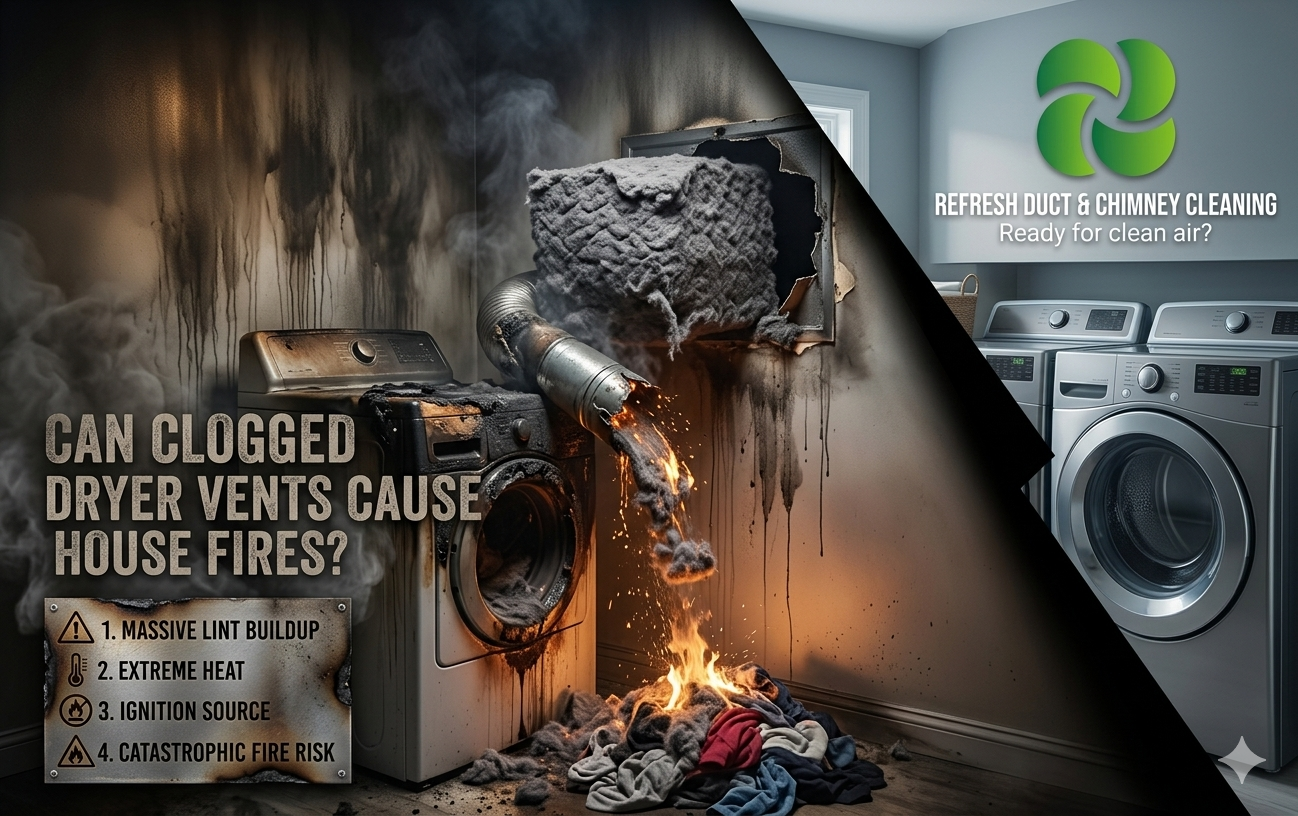
Can Clogged Dryer Vents Cause House Fires?
Yes, clogged dryer vents can cause house fires. When lint continues to accumulate inside the vent, airflow becomes restricted. This causes heat to become trapped inside the dryer, and temperatures can rise beyond normal levels. Lint is a highly flammable material that increases the risk of ignition. If a dryer continues to overheat over time, the chances of a fire become even greater. That is why dryer vent cleaning should never be ignored.
Clogged dryer vents can also increase energy consumption and reduce dryer performance. If the issue is not addressed in time, the risk of overheating may develop. If a dryer continues to overheat over time, the chances of a fire become even greater. That is why dryer vent cleaning should never be ignored.
How Dryer Vents Become Clogged
Dryer vent clogging is usually caused by lint accumulation. During every drying cycle, fibers released from clothing travel into the vent system. Over time, these fibers stick to the inner walls of the vent. Dust and other small particles can also contribute to the buildup. If the vent is long or contains several bends, blockages can develop more quickly.
Without regular cleaning, the problem can become increasingly serious. If a dryer continues to overheat over time, the chances of a fire become even greater. That is why dryer vent cleaning should never be ignored.
Signs of a Clogged Dryer Vent
- Several signs can help identify a blocked dryer vent.
- Clothes taking longer than usual to dry is one of the most common indicators.
- A dryer that feels extremely hot on the outside may also be a warning sign.
- Excess heat or moisture in the laundry room can indicate a blockage as well.
- If a burning smell is noticed, the dryer should be turned off immediately.
- These signs suggest that the vent system needs cleaning.
- If a dryer continues to overheat over time, the chances of a fire become even greater.
- That is why dryer vent cleaning should never be ignored.
- If a dryer continues to overheat over time, the chances of a fire become even greater.
- That is why dryer vent cleaning should never be ignored.
Risks Associated with Blocked Dryer Vents
Blocked dryer vents can create more than just a fire risk. The dryer may use more energy, resulting in higher utility bills. Additional strain is placed on machine components, which may shorten their lifespan. Excess moisture can contribute to mold and mildew growth.If a dryer continues to overheat over time, the chances of a fire become even greater.
That is why dryer vent cleaning should never be ignored.Indoor air quality may also be affected. Proper maintenance is essential to avoid these risks. If a dryer continues to overheat over time, the chances of a fire become even greater. That is why dryer vent cleaning should never be ignored.
Lint Buildup
Lint is the most common cause of dryer vent blockages. It can easily accumulate and restrict airflow. Lint is also highly flammable, which is why allowing it to build up creates a significant fire hazard. Dust and other small particles can also contribute to the buildup. If the vent is long or contains several bends, blockages can develop more quickly.
Overheating Problems
When air cannot circulate properly, the dryer may overheat. Excessive heat can damage internal components and increase the risk of fire. Overheating should never be ignored. Dust and other small particles can also contribute to the buildup. If the vent is long or contains several bends, blockages can develop more quickly.
Higher Energy Usage
Blocked vents force the dryer to run longer to achieve the same drying results. Dust and other small particles can also contribute to the buildup. If the vent is long or contains several bends, blockages can develop more quickly. This increases electricity or fuel consumption and reduces energy efficiency. As a result, utility costs may rise.
Reduced Dryer Lifespan
The extra workload caused by vent blockages can affect dryer performance. Internal parts may wear out more quickly, and repairs may become necessary more often. Dust and other small particles can also contribute to the buildup. If the vent is long or contains several bends, blockages can develop more quickly. Proper maintenance can help extend the life of the appliance.
Moisture Accumulation
Vent blockages prevent moisture from being expelled properly. Dust and other small particles can also contribute to the buildup. If the vent is long or contains several bends, blockages can develop more quickly. This can create a damp environment that encourages mold and mildew growth. Such conditions may affect both property and health.
Poor Drying Performance
A clogged vent can prevent clothes from drying completely. Users may need to run multiple drying cycles, wasting both time and energy. Dryer efficiency is also reduced. Dust and other small particles can also contribute to the buildup. If the vent is long or contains several bends, blockages can develop more quickly.
How to Prevent Dryer Vent Fires
Regular maintenance is one of the best ways to prevent dryer vent fires. The lint filter should be cleaned after every use. The vent system should also be inspected periodically. If a blockage is detected, it should be removed immediately. Avoiding dryer overloads is another important precaution. These preventive measures can significantly reduce fire risks.
If a dryer continues to overheat over time, the chances of a fire become even greater. That is why dryer vent cleaning should never be ignored. A clogged vent can prevent clothes from drying completely. Users may need to run multiple drying cycles, wasting both time and energy. Dryer efficiency is also reduced.
Dryer Vent Fire Risks and Prevention Table
| Issue | Cause | Effect | Prevention |
| Lint Buildup | Lack of cleaning | Fire hazard | Clean vents regularly |
| Restricted Airflow | Blocked vent path | Overheating | Inspect vent system |
| Excess Heat | Poor ventilation | Component damage | Ensure proper airflow |
| Moisture Retention | Vent blockage | Mold growth | Remove obstructions |
| Long Drying Time | Airflow restriction | Energy waste | Maintain vent cleanliness |
| Burning Smell | Overheated lint | Fire risk | Stop use and inspect |
| High Energy Bills | Inefficient drying | Increased costs | Clean vent system |
| Worn Components | Extra workload | Frequent repairs | Regular maintenance |
| Poor Performance | Clogged vents | Damp clothes | Routine inspections |
| Fire Incidents | Ignored maintenance | Property damage | Preventive cleaning |
Best Maintenance Practices for Dryer Vents
In addition, blocked vents can lead to energy waste and damage to the dryer itself. Regular vent cleaning and inspections are important preventive measures. Warning signs should always be taken seriously. Proper maintenance improves both dryer efficiency and lifespan. The lint filter should be cleaned after every drying cycle.
This improves airflow, increases dryer efficiency, and helps reduce fire risks. To reduce fire hazards, safety practices should become a regular part of home maintenance. This helps provide better protection for both the home and the family.
Clean the Lint Filter Regularly
The lint filter should be cleaned after every drying cycle. This improves airflow, increases dryer efficiency, and helps reduce fire risks. Dust and other small particles can also contribute to the buildup. If the vent is long or contains several bends, blockages can develop more quickly.
Inspect the Vent System
The vent system should be inspected regularly. Dust and other small particles can also contribute to the buildup. If the vent is long or contains several bends, blockages can develop more quickly. This helps identify blockages early and prevents small issues from becoming larger problems. Safety can also be improved through routine inspections.
Avoid Overloading the Dryer
Overloading the dryer can restrict airflow and force the machine to work harder. Dust and other small particles can also contribute to the buildup. If the vent is long or contains several bends, blockages can develop more quickly. This increases the risk of overheating. Always follow the recommended load limits.
Check for Warning Signs
Burning smells and excessive heat should never be ignored. Dust and other small particles can also contribute to the buildup. If the vent is long or contains several bends, blockages can develop more quickly. These may indicate a blockage or airflow issue. Prompt action can help prevent major damage.
Remove Vent Obstructions
Any obstructions near the vent opening should be removed. Airflow should remain unrestricted. Proper ventilation improves dryer performance and reduces fire risks. Dust and other small particles can also contribute to the buildup. If the vent is long or contains several bends, blockages can develop more quickly.
Schedule Routine Maintenance
Regular maintenance helps keep the dryer system safe. Hidden issues can be identified early, appliance lifespan may increase, and long-term costs can be reduced. Dust and other small particles can also contribute to the buildup. If the vent is long or contains several bends, blockages can develop more quickly.
Why Dryer Vent Safety Matters
Dryer vent safety is extremely important for every home. A small oversight can sometimes lead to major consequences. Regular cleaning and inspections help prevent many common risks. Safe dryer operation can also improve energy efficiency.
Proper maintenance keeps the machine performing at its best. Paying attention to dryer vent safety is essential for protecting both the home and its occupants. The lint filter should be cleaned after every drying cycle. This improves airflow, increases dryer efficiency, and helps reduce fire risks.
Conclusion
Clogged dryer vents can indeed cause house fires, and ignoring them can be dangerous. Lint buildup restricts airflow and creates overheating, which significantly increases fire risks. In addition, blocked vents can lead to energy waste and damage to the dryer itself. Regular vent cleaning and inspections are important preventive measures.
The lint filter should be cleaned after every drying cycle. This improves airflow, increases dryer efficiency, and helps reduce fire risks.Warning signs should always be taken seriously. Proper maintenance improves both dryer efficiency and lifespan. To reduce fire hazards, safety practices should become a regular part of home maintenance. This helps provide better protection for both the home and the family.
FAQs
1. Can a clogged dryer vent really cause a fire?
Yes, a clogged dryer vent can cause a fire. Lint is highly flammable, and overheating can create conditions that increase the risk of ignition. Regular cleaning is essential.
2. How often should dryer vents be cleaned?
Dryer vents should be inspected and cleaned regularly. The frequency depends on usage levels. Dryers that are used more often generally require more frequent cleaning and maintenance.
3. What is the most common cause of dryer vent blockage?
The most common cause is lint buildup. Fibers from clothing accumulate inside the vent over time, eventually restricting airflow.
4. What are the warning signs of a clogged vent?
Long drying times, excessive heat, and burning smells are common warning signs. Increased moisture in the laundry area may also indicate a blockage.
5. Does a clogged vent increase energy bills?
Yes. A blocked vent forces the dryer to run longer, increasing energy consumption and potentially raising utility costs.
6. Can blocked vents damage the dryer?
Yes. Blocked vents place extra stress on internal components. Overheating can cause damage and may increase the need for repairs.
7. Is lint highly flammable?
Yes. Lint is highly flammable and can ignite easily under the right conditions. This is why lint buildup is considered a serious safety concern.
8. Can moisture problems occur due to clogged vents?
Yes. Blocked vents can trap moisture, creating damp conditions that encourage mold and mildew growth. Proper ventilation is important.
9. Does cleaning the lint filter prevent vent blockage?
Cleaning the lint filter helps, but it is not enough on its own. Some lint can still enter the vent system, which is why vent cleaning is also necessary.
10. Why is dryer vent maintenance important?
Dryer vent maintenance helps reduce fire risks, improve machine efficiency, control energy costs, and extend the lifespan of the dryer.