
A dryer vent hose is an essential component of any clothes dryer setup, connecting the appliance to an exterior vent to safely expel hot, moist air and lint from your home. Without a properly functioning dryer vent hose, your dryer may not perform efficiently, leading to longer drying times, higher energy bills, and potential safety hazards. Regular dryer vent hose cleaning Los Angeles services help maintain proper airflow, improve dryer efficiency, and reduce the risk of lint-related fire hazards. This guide provides comprehensive information on choosing, installing, maintaining, and troubleshooting dryer vent hoses using simple, everyday language.
Whether you are a first-time homeowner or an experienced user, understanding your dryer vent hose helps keep your laundry routine smooth and your household safe. Proper knowledge prevents common mistakes that many people make when dealing with dryer ventilation. This article covers everything step by step so you can handle your dryer vent hose confidently.
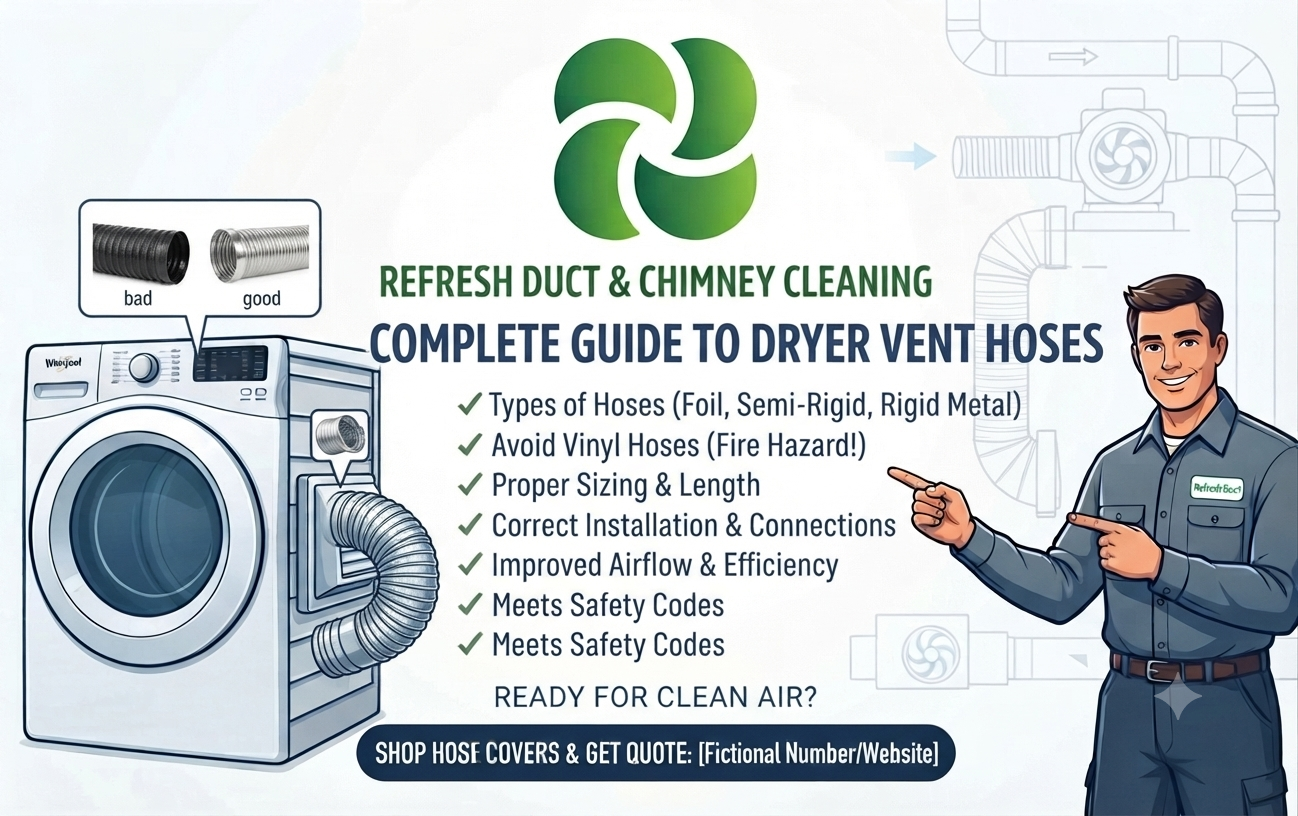
Dryer Vent Hose Guide
A dryer vent hose, also known as a dryer exhaust hose, serves as the pathway for hot air, moisture, and lint to leave the dryer and exit your home. It is usually flexible and made from materials that can withstand high temperatures. Selecting and maintaining the right hose is crucial because a blocked or damaged vent hose can cause the dryer to overheat or fail to dry clothes properly.
This guide explains every important aspect in detail to help you make informed decisions. You will learn about different types, installation methods, and maintenance tips that extend the life of both your dryer and the hose. Following these recommendations reduces fire risks and improves energy efficiency. With the right knowledge, anyone can manage their dryer ventilation system effectively without needing professional help every time.
Importance of a Good Dryer Vent Hose
- Using a high-quality dryer vent hose prevents many everyday problems in your laundry area.
- A poor vent hose can trap lint inside the dryer, making it work harder and increasing electricity use.
- It also raises the risk of lint buildup, which is a leading cause of dryer fires.
- Good ventilation keeps indoor air quality better by removing excess moisture that could lead to mold or mildew.
- Homeowners notice fewer service calls and longer appliance lifespan when they pay attention to their vent hose.
- Regular checks and proper setup save money over time and provide peace of mind.
- Investing a little effort in your dryer vent hose pays off through safety and performance.
Types of Dryer Vent Hoses
- There are several types of dryer vent hoses available to suit different needs and dryer models.
- The most common is the flexible aluminum foil hose, which is affordable and easy to install in tight spaces.
- Semi-rigid hoses offer better durability and smoother airflow compared to fully flexible ones.
- Rigid metal ducts provide the best performance for long runs because they resist crushing and lint accumulation.
- Some hoses come with plastic options, but these are less recommended due to lower heat resistance.
- Understanding the differences helps you pick the one that matches your installation requirements.
- Each type has specific advantages depending on the distance from dryer to exterior vent.
How to Choose the Right Dryer Vent Hose
Choosing the correct dryer vent hose starts with measuring the distance between your dryer and the outside vent opening. Look for hoses rated for the temperature your dryer produces, typically around 150 to 200 degrees Fahrenheit. Check the diameter – most dryers require a 4-inch hose for proper airflow.
Consider the material quality and avoid cheap plastic versions that can melt or sag. Read product labels for safety certifications and maximum length recommendations from the manufacturer. Factor in whether you need smooth or flexible sections for bends. Selecting the right hose ensures optimal performance and reduces the chance of future repairs.
Material Comparison for Dryer Vent Hoses
Different materials affect durability and safety. Aluminum foil hoses are lightweight and flexible but can kink easily if not handled carefully. Stainless steel or semi-rigid options resist crushing better and maintain airflow over time. Rigid metal is excellent for straight runs but requires more skill during installation.
Length and Diameter Considerations
The length of your dryer vent hose should be as short and straight as possible to maintain strong airflow. Longer hoses increase resistance and reduce drying efficiency. Standard diameter is 4 inches, but confirm this matches your dryer’s exhaust port. Measure carefully before purchasing to avoid unnecessary connectors.
Flexibility vs Rigidity
Flexible hoses are easier to route around obstacles but may collapse over time. Rigid or semi-rigid hoses provide consistent airflow and last longer in permanent installations. Choose flexibility only where needed, such as near the dryer connection.
Safety Features to Look For
Look for hoses with fire-resistant materials and smooth interiors that minimize lint trapping. Some include built-in clamps or easy-connect ends for secure fitting. Check for UL or other safety listings on the packaging. Avoid ducts with sharp bends or unnecessary ridges. These features significantly lower fire hazards. Prioritizing safety during selection protects your entire household.
Common Mistakes When Buying
Many people buy the cheapest hose without checking specifications, leading to poor performance. Others ignore the maximum recommended length and face airflow problems later. Purchasing the wrong diameter creates connection issues and leaks. Always verify compatibility with your dryer model. Taking time to research prevents these frequent errors. Informed buying saves time and money.
Installing Your Dryer Vent Hose Properly
- Correct installation of the dryer vent hose is essential for safe and efficient operation.
- Begin by turning off the dryer and positioning it so the exhaust port aligns well with the vent path.
- Use metal foil tape or clamps instead of screws or regular tape to seal connections securely.
- Keep the hose route as short and straight as possible, with minimal bends to maintain airflow.
- Secure the hose to avoid sagging or kinking, and ensure the exterior vent flap opens freely.
- Test the setup by running the dryer briefly and checking for proper exhaust.
- A well-installed hose prevents lint buildup and reduces overheating risks.
Dryer Vent Hose Detailed Comparison Table
| Feature | Flexible Aluminum Foil | Semi-Rigid Metal | Rigid Metal Duct | Plastic Hose (Not Recommended) |
| Durability | Medium (prone to crushing) | High | Very High | Low (melts easily) |
| Airflow Efficiency | Good for short runs | Better | Best (smooth interior) | Poor (restricts flow) |
| Fire Resistance | Moderate | High | Highest | Very Low |
| Ease of Installation | Very Easy | Moderate | Harder (needs cutting/fitting) | Easy but unsafe |
| Cost | Low | Medium | Higher | Lowest |
| Best Use Case | Short, tight spaces | Most home installations | Long straight runs | Temporary outdoor use only |
| Lint Buildup Risk | Medium | Low | Lowest | High |
| Maximum Recommended Length | Up to 25 feet | Up to 35 feet | 50+ feet | Not advised for indoor use |
| Crush Resistance | Low | Good | Excellent | Very Low |
| Heat Resistance | Good up to 200°F | Excellent | Superior | Poor |
| Maintenance Frequency | High (needs frequent checks) | Moderate | Low | Very High |
| Safety Certifications | Varies | Often UL listed | Usually highest rated | Rarely certified |
| Noise Level | Can rattle if loose | Quiet | Very Quiet | Can be noisy |
| Lifespan | 2-5 years | 5-10 years | 10+ years | Under 2 years |
| Flexibility | High | Moderate | None | High |
| Weight | Very Light | Light | Heavy | Very Light |
| Common Issues | Kinking, tearing | Occasional denting | Few issues | Melting, sagging |
| Energy Efficiency Impact | Medium | High | Highest | Low |
This detailed table gives you a complete side-by-side view of all major options so you can easily select the best dryer vent hose for your needs.
Maintenance Tips for Longevity
Regular maintenance keeps your dryer vent hose functioning safely for years. Clean the hose every six months or more frequently if you use the dryer daily. Disconnect the hose and remove lint buildup using a vacuum or specialized brush.
Inspect for cracks, holes, or loose connections during cleaning. Check the exterior vent flap to ensure it moves freely and is not blocked by debris. Replace damaged sections immediately to avoid hazards. Simple routines like these extend the life of your equipment and improve safety.
Cleaning the Dryer Vent Hose
Start by unplugging the dryer and pulling it away from the wall carefully. Remove the hose and shake out loose lint, then vacuum both ends thoroughly. Use a long flexible brush for inside cleaning if needed. Wipe exterior surfaces with a damp cloth. Reattach securely after cleaning. Perform this task in a well-ventilated area. Regular cleaning prevents blockages.
Checking for Leaks and Damage
Inspect the entire length of the hose for tears, holes, or crushed sections. Feel around connections for escaping air while the dryer runs. Look for discoloration or melting signs that indicate overheating. Tighten all clamps and replace any worn tape. Early detection of damage avoids bigger problems. Make visual checks part of your routine.
When to Replace the Hose
Replace the hose if you notice reduced drying performance or visible damage. Signs include excessive lint around the dryer or a burning smell. After several years of use, even undamaged hoses may become less efficient. Choose a new hose matching the original specifications. Timely replacement maintains safety and efficiency. Do not delay when issues appear.
Professional Help vs DIY
Many maintenance tasks are simple enough for homeowners to handle themselves. However, for complicated installations or long duct runs, professional assistance ensures proper results. Professionals have tools for thorough cleaning of full vent systems. Decide based on your comfort level and the complexity of the job. Both approaches can work well when done correctly.
Seasonal Maintenance Checklist
Before winter, check for ice or snow blocking the exterior vent. In summer, ensure good airflow to handle increased usage. Create a simple checklist covering cleaning, inspection, and testing. Adjust frequency according to household laundry volume. Consistent seasonal care prevents unexpected failures. Stay proactive throughout the year.
Tools Needed for Maintenance
Basic tools include a screwdriver, vacuum with attachments, foil tape, and clamps. A dryer vent cleaning kit with brushes is very helpful for deeper cleaning. Keep a flashlight for inspecting dark areas. Having these items ready makes maintenance quick and easy. Proper tools lead to better results.
Common Problems and Solutions
- Dryer vent hose issues can appear suddenly but are often easy to fix with basic knowledge.
- Reduced airflow usually indicates a partial blockage that requires cleaning.
- Noisy operation might mean a loose connection or kinked hose.
- Overheating warnings on the dryer signal serious ventilation problems that need immediate attention.
- Air leaks cause inefficiency and can be sealed with proper tape.
- Understanding these common issues helps you troubleshoot quickly and restore normal function.
- Taking time to understand and care for your dryer vent hose benefits the entire household.
- Remember that prevention through proper setup and cleaning is always better than dealing with major repairs later.
- With these practical tips, you now have the knowledge to manage your dryer ventilation confidently.
- Stay attentive to your system, and enjoy trouble-free drying for years to come.
Conclusion
A reliable dryer vent hose plays a vital role in keeping your laundry appliances working safely and efficiently. By following the information in this guide, you can select the right type, install it correctly, perform regular maintenance, and solve common problems without stress. Good ventilation reduces fire risks, lowers energy costs, and extends the life of your dryer significantly.
Taking time to understand and care for your dryer vent hose benefits the entire household. Remember that prevention through proper setup and cleaning is always better than dealing with major repairs later. With these practical tips, you now have the knowledge to manage your dryer ventilation confidently. Stay attentive to your system, and enjoy trouble-free drying for years to come.
FAQs
1. What is the standard size for a dryer vent hose?
Most residential dryers use a 4-inch diameter hose as the standard size. This dimension allows proper airflow without excessive resistance. Always confirm your dryer model’s requirements before purchasing. Using the correct size prevents connection problems and maintains efficiency. Proper sizing is one of the most important factors for good performance.
2. How often should I clean my dryer vent hose?
Clean the hose at least every six months for average households. Homes with frequent dryer use or large families may need cleaning every three months. Regular cleaning removes lint buildup that restricts airflow. Set a schedule to make it a habit. Consistent maintenance greatly reduces safety risks.
3. Can I use a flexible dryer vent hose for long distances?
Flexible hoses work best for shorter runs up to about 25 feet. Longer distances require semi-rigid or rigid options for better airflow. Excessive length in flexible hose increases the chance of kinks and blockages. Measure your installation space carefully. Choose the type that matches your actual needs.
4. What material is safest for dryer vent hoses?
Rigid metal or semi-rigid aluminum hoses offer the highest safety levels. They resist heat and crushing while minimizing lint accumulation. Avoid plastic materials indoors due to higher fire risks. Look for safety certifications when buying. Prioritizing quality materials protects your home.
5. How do I know if my dryer vent hose is blocked?
Signs include longer drying times, hot dryer exterior, or lint visible around the appliance. The dryer may also shut off automatically or show error codes. Check the hose for visible buildup or restricted airflow. Regular inspections help catch problems early. Addressing blockages promptly prevents damage.
6. Is it okay to use duct tape on dryer vent connections?
Regular duct tape is not recommended because it can dry out and fail under heat. Use specialized metal foil tape or clamps instead for secure, long-lasting seals. Proper sealing prevents leaks and maintains efficiency. Check connections periodically for tightness. Correct materials make a big difference in performance.
7. What is the maximum recommended length for a dryer vent hose?
Manufacturers generally recommend keeping the total run under 25-35 feet depending on the type of hose. Every bend adds equivalent length and reduces efficiency. Shorter is always better for optimal airflow. Measure your specific setup accurately. Following length guidelines improves dryer performance significantly.
8. Can a damaged dryer vent hose cause a fire?
Yes, damaged or clogged hoses are a major cause of dryer fires due to lint buildup and overheating. Regular inspection and maintenance greatly reduce this risk. Replace any hose showing wear or damage immediately. Proper care is essential for household safety. Never ignore warning signs.
9. Should I hire a professional for dryer vent cleaning?
For simple hose cleaning, most people can do it themselves with basic tools. However, full vent system cleaning through walls may require professional equipment. Consider your comfort level and the complexity of the job. Professionals ensure thorough results in difficult installations. Both DIY and professional approaches have their place.
10. How can I improve airflow in my dryer vent system?
Keep the hose short and straight with minimal bends. Clean regularly and use rigid ducting where possible. Ensure the exterior vent flap opens properly and is not obstructed. Check all connections for tight seals. These steps together optimize performance and safety. Good airflow makes drying faster and more energy-efficient.