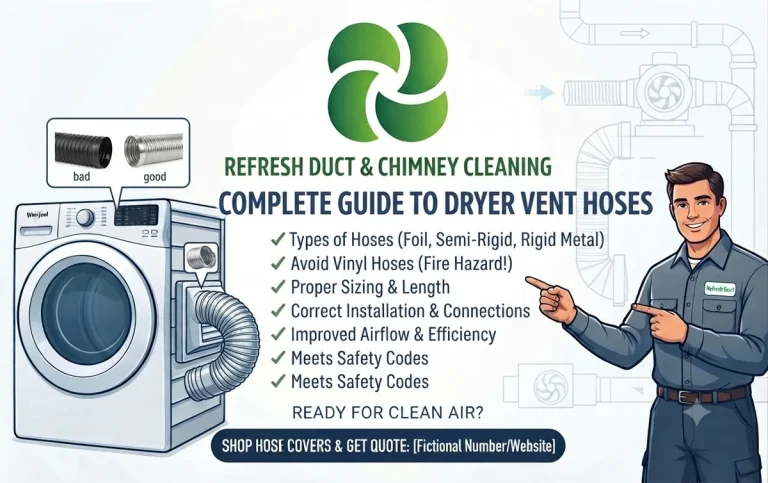
A dryer vent cover is an essential yet frequently overlooked component of a home’s laundry system. Its primary purpose is to protect the exhaust duct from outside elements while allowing moist, hot air to safely exit the building. Without a reliable cover, various weather conditions can cause moisture to back up into the appliance or interior walls. Regular dryer vent cleaning Los Angeles services help keep the vent system free of lint buildup, improve airflow, and ensure your dryer operates safely and efficiently while extending the life of both the vent cover and the dryer.
This guide explores everything you need to know about selecting, installing, and maintaining the right vent cover for your household needs. Understanding these mechanisms helps improve energy efficiency, reduces utility bills, and extends the overall lifespan of your clothes dryer.
What is a Dryer Vent Cover and Why Do You Need One?
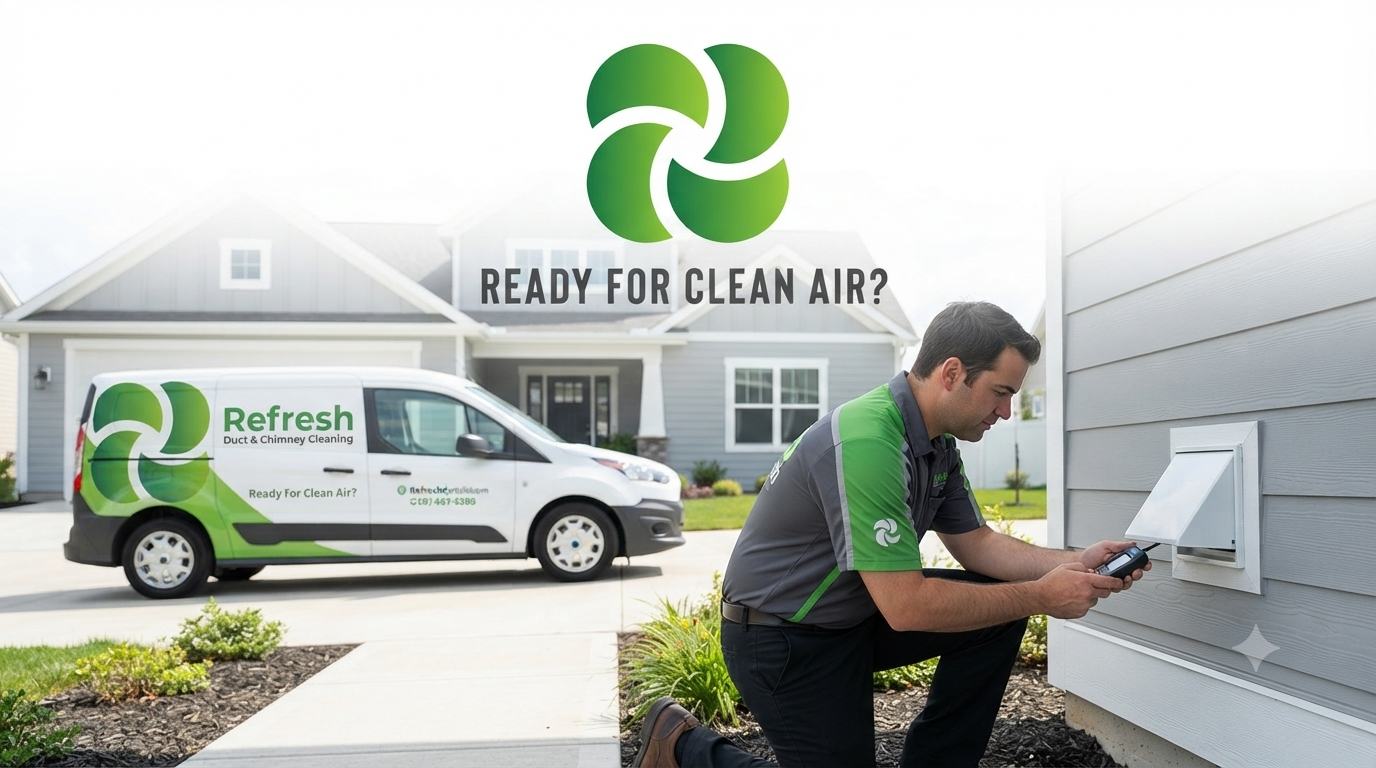
A dryer vent cover is a specialized exterior wall or roof fixture designed to terminate the exhaust duct securely. It typically features a flap, louvers, or a hood that opens automatically when the appliance runs and closes tightly when it stops. This physical barrier stops outdoor drafts, rain, snow, and unwanted debris from entering the ventilation pipe.
Furthermore, having a quality cover prevents heat loss during cold months, keeping your indoor climate comfortable and energy-efficient. Investing in this simple piece of hardware protects your home from unnecessary wear and tear caused by blocked or exposed exhaust lines.
Common Signs That Your Dryer Vent Cover Needs Replacement
Over time, constant exposure to harsh weather conditions can cause exterior vent covers to crack, fade, or break completely. If you notice that the louvers or flaps remain permanently stuck open or closed, it is a clear indicator of mechanical failure. Another warning sign is lint accumulation building up rapidly around the exterior opening, which blocks proper airflow and creates a fire hazard.
You might also notice your laundry taking much longer to dry than usual due to restricted exhaust ventilation. Replacing a damaged vent cover immediately restores optimal airflow and ensures your drying cycles remain safe and efficient.
Key Factors to Consider When Choosing a Dryer Vent Cover
- Selecting the right dryer vent cover requires evaluating several material and design aspects to match your specific exterior wall type.
- Common materials include durable plastic, heavy-duty aluminum, and galvanized steel, each offering different levels of weather resistance and longevity.
- You should also consider the local climate, as heavy plastic might degrade faster in intense sunlight, while metal options resist UV rays better.
- Additionally, ensure the outlet size matches your existing duct diameter to prevent air restriction and pressure buildup.
- Making an informed choice guarantees long-lasting performance and reliable protection against outdoor elements and pests.
Step-by-Step Overview of Dryer Vent Cover Installation
Installing a new dryer vent cover is a straightforward home improvement project that requires basic tools like a screwdriver and exterior caulk. First, safely remove the old, worn-out cover by unscrewing it from the wall and cleaning away any old adhesive or debris.
Next, position the new vent cover over the duct opening, ensuring the pipe aligns correctly with the back collar of the unit. Secure the mounting plate firmly to the exterior wall using appropriate screws for your siding or brick surface. Finally, apply a generous bead of waterproof silicone caulk around the outer edges to seal out moisture completely.
Understanding Different Types of Vent Materials
Choosing the correct material for your vent cover ensures durability against varying weather conditions throughout the changing seasons. Plastic models are affordable and rust-free, making them popular choices for moderate climates with minimal extreme temperature fluctuations.
The Importance of Pest Prevention in Vent Design
Outdoor vents create potential entry points for small animals, insects, and birds searching for warm nesting spaces during colder periods. Quality dryer vent covers often include integrated grilles or screens that block unwanted critters without restricting the exhaust airflow.
Preventing Lint Buildup and Fire Hazards
Lint is a highly combustible material that escapes the dryer drum and travels through the exhaust pipe toward the outside world. If a vent cover becomes clogged or fails to open properly, lint accumulates rapidly inside the entire ventilation system.
Improving Dryer Efficiency and Energy Savings
A restricted or damaged vent cover forces your appliance to work harder and run longer cycles to dry damp clothes completely. This extra workload consumes significantly more electricity or gas, leading to noticeably higher utility bills every month.
Weather Resistance and Backdraft Prevention
Strong outdoor winds can push cold air, rain, and snow backward through an unsealed or faulty exhaust pipe into your home. Modern vent covers use gravity flaps, magnetic closures, or floating louvers to seal the opening tightly when the dryer is idle.
Aesthetic Options for Modern Home Exteriors
Functional hardware does not have to compromise the visual appeal of your home’s exterior siding or brickwork. Manufacturers offer vent covers in various colors, finishes, and architectural styles to complement your property seamlessly.
Maintenance Best Practices for Long-Term Vent Performance
- Maintaining your exterior dryer vent cover requires simple yet consistent cleaning routines to ensure continuous safety and efficiency.
- You should inspect the outdoor flap at least twice a year to verify that it moves freely without obstruction.
- Gently brush away any accumulated lint, dust, or spider webs from the louvers and surrounding wall surface.
- Avoid using harsh chemical cleaners that could damage plastic finishes or corrode metal components over time.
- Establishing this easy maintenance habit guarantees uninterrupted airflow and prevents unexpected ventilation failures throughout the year.
Extended Comprehensive Dryer Vent Cover Comparison
| Vent Type | Primary Material | Best Climate Suitability | Pest Protection Level | Estimated Lifespan | Maintenance Frequency | Airflow Resistance | Cost Category | Installation Complexity | Weather Sealing Method |
| Standard Louvered | Plastic or Aluminum | Moderate Climates | Moderate (Standard Flaps) | 3 to 5 Years | Every 3 Months | Low | Budget-Friendly | Very Easy | Gravity Flaps & Caulk |
| Heavy-Duty Hooded | Galvanized Steel | High Wind & Heavy Rain | High (Integrated Screen) | 8 to 12 Years | Semi-Annually | Medium | Moderate | Easy | Fixed Hood & Gasket |
| Floating Shuttle | Heavy-Duty Plastic | Cold & Snowy Regions | High (Sealed When Idle) | 5 to 7 Years | Every 3 Months | Low | Moderate | Easy | Shuttle Valve & Spring |
| Magnetic Closure | Anodized Aluminum | All Weather Types | Maximum (Magnetic Seal) | 10+ Years | Semi-Annually | Very Low | Premium | Moderate | Magnetic Strip Lock |
| Low-Profile Flush | Stainless Steel | Modern Architectural | Moderate (Internal Baffle) | 7 to 10 Years | Every 4 Months | Medium | Premium | Moderate | Spring-Loaded Baffle |
| Roof Exhaust Cap | Cast Aluminum | Flat or Sloped Roofs | High (Mesh Guard) | 8 to 12 Years | Quarterly | Medium-High | Premium | Advanced | Flashing & Roofing Tar |
Troubleshooting Common Dryer Vent Cover Problems
Resolving minor issues with your dryer vent cover promptly prevents severe airflow restrictions and maintains household safety standards. One common problem is noisy flapping during windy days, which can be fixed by replacing worn hinges or upgrading to a magnetic model. If you notice frost or condensation forming around the interior opening, the check valve or flap may not be sealing correctly.
Clearing frozen blockages with warm water and ensuring proper insulation around the duct fixes thermal leakage issues quickly. Addressing these symptoms early extends the operational life of your ventilation hardware and protects your home from moisture damage.
Identifying Obstructions and Blockages
Blocked vents restrict hot air exhaust, leading to extended drying times and increased energy consumption across all household laundry loads. Leaves, dust, and accumulated lint can easily clog exterior louvers, preventing the mechanical flaps from opening fully during operation.
Fixing Stuck or Frozen Louvers
Cold winter temperatures can cause moisture around the vent cover to freeze, locking the louvers in a closed position. When this happens, forced air from the dryer builds up pressure and struggles to escape through the blocked opening.
Dealing with Loose or Rattling Flaps
High winds frequently cause lightweight plastic louvers to rattle loudly against the frame, creating annoying noises inside the house. Upgrading to a heavy-duty model with a weighted or magnetic flap eliminates this unwanted vibration completely.
Managing Excessive Lint Accumulation
Lint escapes the internal appliance filter and travels outward, eventually collecting around the edges of the exterior vent cover. If left uncleaned, this dense buildup restricts airflow and creates a highly flammable hazard right on your exterior wall.
Repairing Weather-Damaged Housing Units
Constant exposure to intense sunlight and freezing rain causes plastic vent covers to become brittle and crack over time. When structural damage occurs, the entire housing unit must be replaced to prevent water leaks into the wall cavity.
Resolving Airflow Restriction Issues
Poor airflow reduces appliance performance, causing clothes to remain damp even after completing multiple standard drying cycles. This restriction is often caused by a combination of a clogged vent cover and internal duct lint buildup.
Conclusion
A properly selected and maintained dryer vent cover plays a critical role in safeguarding your home against moisture and fire hazards. By understanding the different materials, designs, and installation techniques, you can ensure optimal ventilation efficiency for your laundry system.
Regular inspections and routine cleanings prevent common issues like lint blockages, pest invasions, and weather-related mechanical failures. Investing a little time in maintaining this simple exterior hardware guarantees lower energy bills and long-lasting appliance performance. Ultimately, a secure and functional vent cover promotes a safer, more energy-efficient, and comfortable home environment for everyone.
Frequently Asked Questions (FAQs)
- What is the primary function of a dryer vent cover?
The main purpose of a dryer vent cover is to exhaust hot, moist air safely outside while blocking outdoor elements. It prevents rain, snow, wind, and pests from entering the ventilation duct when the appliance is turned off. This protective barrier ensures proper indoor climate control and reduces the risk of moisture damage to exterior walls. - How often should I inspect my exterior dryer vent cover?
You should visually inspect your exterior dryer vent cover at least once every three to six months. Regular checks help you catch lint buildup, stuck flaps, or weather damage before they turn into major safety hazards. Routine maintenance ensures your appliance maintains optimal airflow and operates at peak energy efficiency all year round. - Can a broken dryer vent cover cause a house fire?
Yes, a damaged or blocked vent cover restricts exhaust airflow, causing lint and heat to accumulate inside the appliance system. This dangerous buildup significantly increases the risk of overheating and potential residential fires over time. Replacing faulty covers immediately ensures safe operation and proper ventilation during every single drying cycle. - What materials are best for outdoor dryer vent covers?
Aluminum and galvanized steel offer superior durability and excellent resistance against UV rays, high winds, and heavy impacts. High-grade plastic is also popular because it is affordable and completely rust-free, making it ideal for moderate regional climates. Choosing the right material depends on your local weather conditions and the type of exterior wall surface available. - How do I prevent pests from entering through the vent?
You can stop pests by choosing vent covers equipped with integrated grilles, screens, or tight-closing gravity louvers. These protective features block mice, birds, and insects from nesting inside the exhaust pipe without restricting airflow. Inspecting the screen regularly ensures that trapped lint does not compromise the pest barrier over time. - Why are my dryer vent louvers rattling in the wind?
Lightweight plastic louvers often rattle loudly when strong outdoor winds push against the unsecured flaps of the vent cover. Upgrading to a heavy-duty model with weighted flaps or magnetic seals eliminates this annoying vibration noise completely. Ensuring that the mounting screws are tightened securely also stops loose framing movement against the exterior wall. - Is it difficult to install a new dryer vent cover myself?
Installing a new dryer vent cover is a simple DIY project that requires basic tools like a screwdriver and caulking gun. You simply remove the old unit, align the new cover with the duct, and secure it with mounting screws. Applying waterproof silicone caulk around the outer edges ensures a tight, moisture-proof seal against the wall surface. - What causes a dryer vent cover to freeze shut in winter?
Freezing temperatures cause residual moisture from the exhaust air to condense and turn into ice around the louvers. This ice buildup glues the flaps shut, restricting airflow and placing extra strain on your drying appliance. You can gently thaw the ice with warm water and apply a silicone lubricant to keep the hinges moving freely. - How does a good vent cover save on energy bills?
An aerodynamic vent cover opens smoothly to let exhaust air escape with minimal backpressure, helping the dryer run efficiently. When the appliance finishes its cycle, a tight seal prevents cold outdoor drafts from entering your home’s living space. This optimal thermal regulation reduces overall energy consumption and lowers your monthly utility expenses significantly. - What should I do if my dryer takes too long to dry clothes?
First, check your exterior vent cover to ensure the louvers are opening fully and are not clogged with lint. Clean away any visible debris and inspect the entire exhaust duct path for internal blockages or restrictions. Restoring clear airflow allows your dryer to complete cycles quickly, saving both electricity and time on laundry days.