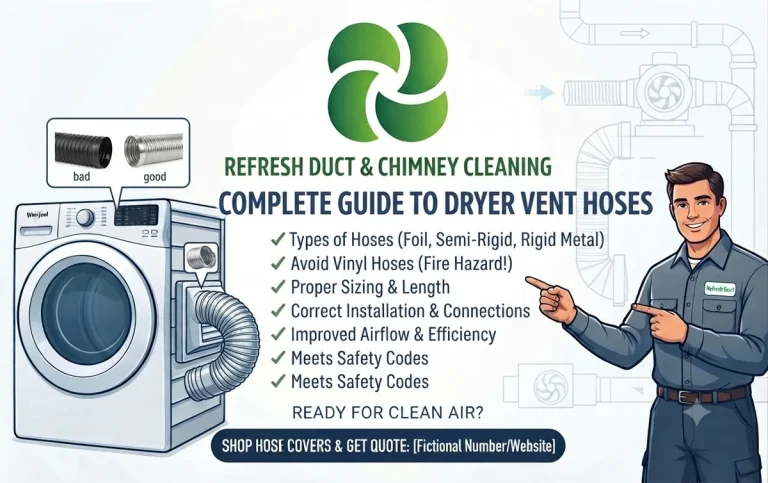
Managing household appliances effectively requires keeping a close eye on the hidden structural components that support their daily operations. Among these, the flexible exhaust transition hose connecting your clothes dryer to the wall port is highly susceptible to physical damage. When moving heavy laundry machinery or setting up a utility room, this vital pipe can easily become flattened behind the unit.
Dealing with crushed dryer vent problems is a major challenge for homeowners because the damage usually remains hidden from view out of sight. A restricted or misshapen hose immediately compromises the entire ventilation process, leading to long drying times and high power bills. Understanding how this physical restriction impacts your system allows you to protect your appliance investment and maintain home safety.
Crushed Dryer Vent Problems
Encountering crushed dryer vent problems can severely disrupt your household laundry routines and create an incredibly inefficient operational environment. When the flexible transition pipe behind the appliance loses its round shape, the critical pathway for escaping hot air is physically restricted.
This structural bottleneck forces the machine to labor under extreme internal pressure, which rapidly wears out the drive belt and motor. Homeowners frequently misdiagnose the resulting drop in performance as a mechanical failure of the heating element rather than a simple hose restriction.
How a Restricted Hose Impacts Appliance Performance
A restricted ventilation hose has an immediate, devastating impact on the overall operational efficiency of your clothes drying appliance. Dryers rely heavily on a high-velocity stream of moving air to lift evaporated moisture away from spinning fabrics during the cycle. When a flattened pipe restricts this air current, damp moisture remains trapped inside the drum, spinning alongside your wet clothes.
This forces the appliance to continuously reheat the same humid air, turning a quick task into a multi-hour ordeal. The prolonged runtime subjects delicate internal electrical relays, thermostats, and coils to continuous, high-temperature stress that they were not built to withstand.
The Hidden Connection Between Flattened Pipes and Fire Risks
- There is a direct and highly dangerous connection between flattened transition pipes and elevated fire hazards within residential properties.
- When an exhaust duct is physically pinched, the intense thermal energy produced by the heating core cannot escape safely outdoors.
- This trapped heat builds up rapidly inside the metal cabinet of the machine, raising internal temperatures to extreme flashpoints.
- At the same time, the restricted air speed causes highly flammable lint particles to drop out of the stream and pile up near the heating element.
- If the internal temperature reaches a critical threshold, these dry fibers can ignite instantly, creating a fast-moving fire inside the utility room.
- The physical distortion of the pipe essentially turns a safe appliance into a hazardous thermal pressure cooker.
- Ensuring your hose remains perfectly round and uncompressed is a vital structural defense against accidental residential fires.
Signs that Your Exhaust Line Has Suffered Physical Damage
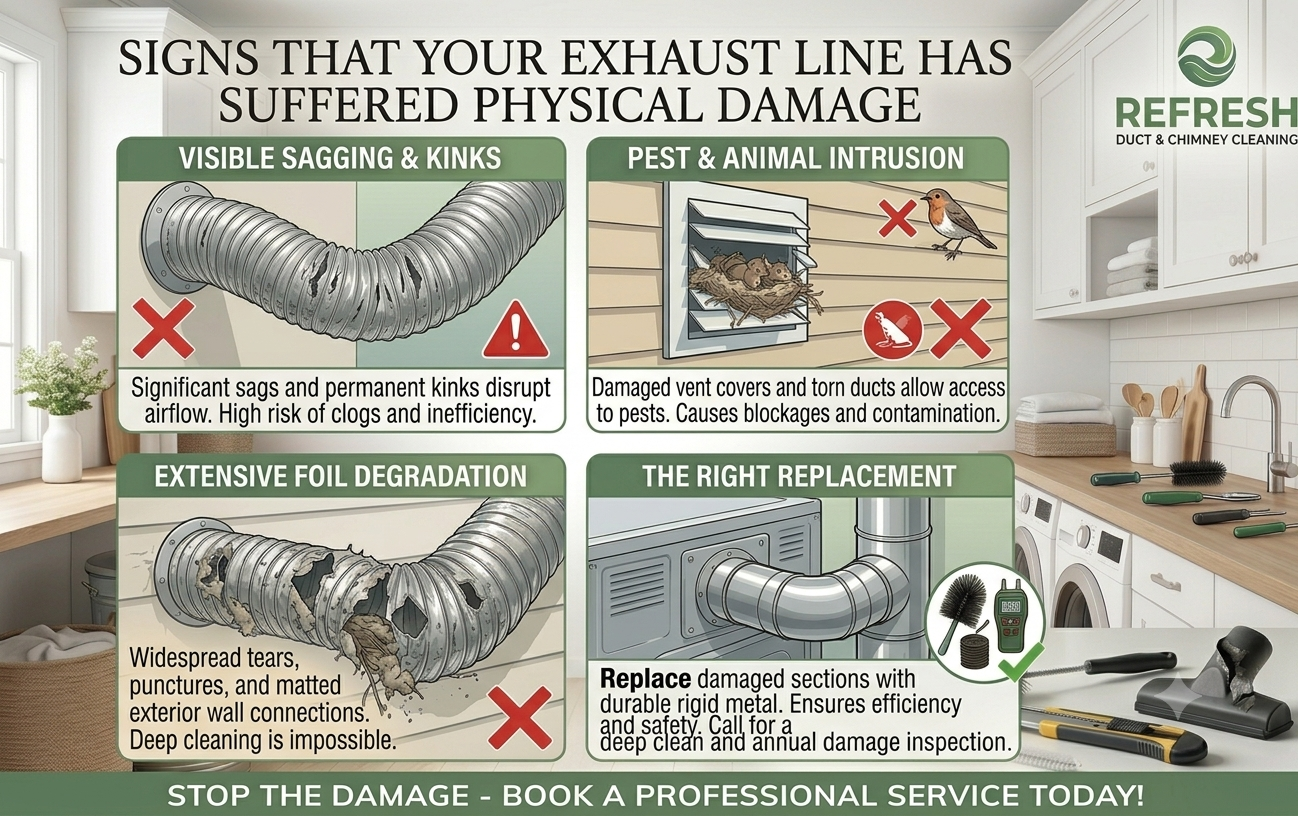
Identifying a physically damaged or flattened exhaust line requires paying close attention to specific changes in your machine’s performance. The most common indicator is when lightweight fabrics take two or three consecutive cycles to dry completely. You might also notice that the laundry room feels exceptionally humid, or that moisture condenses on the walls and windows during a run. Another major indicator is when the exterior metal body of the appliance feels burning hot to the touch while operating.
If you pull the machine out slightly and hear a loud whistling or rushing sound, air is struggling through a tight kink. Ignoring these clear indicators will inevitably lead to a total breakdown of your thermal fuses or cause permanent motor damage. Inspecting the physical state of the connection hose immediately provides the clarity needed to resolve these performance drops.
Inspecting the Space Behind the Machine Visually
The easiest way to check for physical damage is to look directly behind the machine with a bright flashlight. Carefully peer down the gap between the appliance and the rear wall to see if the hose is pinched.
Measuring the Clearance Distance to the Wall
Maintaining a proper physical distance between the back of your appliance and the drywall port is absolutely essential for safety. Use a tape measure to ensure there is an open gap of at least four to six inches available.
Checking for Sudden Moisture and Condensation Buildup
When a pipe is crushed, heavy moisture cannot escape and leaks out of the connection joints into your laundry space. You will notice water droplets pooling on the floor or damp mist coating the rear panel of the unit.
Feeling the Airflow Strength at Outside Hoods
Turn your dryer on a standard high-heat cycle and step outside to evaluate the moving air at the exit hood. Place your hand near the opening to feel the velocity and temperature of the escaping exhaust stream.
Listening for Unusual Internal Vibrations and Noises
A compressed vent line creates intense backpressure that disrupts the natural balance of the internal exhaust fan assembly. This pressure forces the fan blades to labor, creating deep humming, rattling, or whistling noises during operation.
Monitoring Sudden Spikes in Monthly Energy Bills
If your monthly utility statements show a sudden, unexplained increase in power usage, inspect your laundry ventilation line. A flattened hose doubles the operating time of every single load, drawing maximum electrical current for hours on end.
Essential Tools and Parts for Structural Vent Repairs
Fixing a physically damaged or flattened ventilation line requires choosing the right replacement parts and structural tools for the job. A high-quality semi-rigid aluminum duct is the best replacement option because it resists crushing forces much better than thin foil. You will also need a pair of heavy-duty adjustable metal screw clamps to secure the pipe connections tightly. A reliable screwdriver or nut driver is necessary to tighten these clamps around the appliance and wall collars smoothly.
Utilizing a specialized space-saving periscope duct attachment can help you navigate tight clearances without kinking the line. Finally, heavy-duty aluminum foil tape is required to seal the intersecting joints against potential air and moisture leaks. Gathering these proper supplies beforehand ensures a durable repair that permanently eliminates structural bottlenecks behind your machine.
Technical Comparison of Vent Material Resilience
| Material Type | Resistance to Crushing | Airflow Efficiency Rating | Fire Safety Performance | Average Operational Lifespan | Ideal Clearance Needed | Primary Structural Risk |
| Rigid Aluminum Pipe | Extremely High | Excellent (Smooth Walls) | Maximum Fire Resistance | 15 to 20 Years | 6 Inches | Complex to install in tight spaces |
| Semi-Rigid Aluminum | Moderate to High | Very Good (Light Ribs) | Highly Safe and Approved | 5 to 10 Years | 4 to 5 Inches | Can dent if struck with heavy force |
| Heavy Foil Accordion | Extremely Low | Poor (Deep Ridges) | Moderate (Can Melt) | 1 to 2 Years | 6+ Inches | Sags, kinks, and crushes instantly |
| Flexible Plastic / Vinyl | Totally Defenseless | Extremely Poor | High Fire Hazard (Illegal) | Less than 1 Year | Not Recommended | Melts under heat, traps heavy lint |
| Periscope Metal Duct | Total Protection | Good (Box Profile) | Excellent Fire Safety | 10 to 15 Years | 2 to 3 Inches | Restricted to short transition areas |
| Flexible Transition Hose | Low to Moderate | Fair (Requires Tension) | Safe if Metal Composition | 2 to 3 Years | 5 Inches | Easily compressed during machine movement |
How Structural Hose Damage Distorts Your Energy Budget
Operating an appliance with a physically compromised connection hose distorts your monthly household budget by wasting valuable resources. When a pipe is deformed, the internal thermal sensors cannot accurately track the drying progress of the rotating laundry load. This lack of airflow calibration tricks the machine into running at maximum heat for extended periods to clear moisture.
The continuous draw of high voltage power quickly translates into elevated operational expenses on your monthly electrical bill. Furthermore, the intense heat buildup degrades the structural integrity of the machine’s internal wiring, causing premature component failure.
Using Incompatible Plastic Zip Ties on Connectors
Securing your metal transition hoses with plastic zip ties or weak strings is a major mistake that leads to structural failures. Plastic ties grow brittle under continuous heat exposure, eventually snapping and allowing the pipe to drop off the wall collar.
Over-tightening Clamps and Deforming Metal Ends
Applying excessive force when tightening metal screw clamps can accidentally crimp and deform the soft aluminum pipe edges. This structural distortion creates jagged internal gaps that disrupt the smooth transit of moving exhaust air over time.
Allowing the Hose to Sag Onto Floor Surfaces
Letting a long, excess portion of a flexible transition hose bunch up and sag onto the utility floor creates immediate traps. Gravity causes heavy, moisture-laden lint particles Dryer Vent Cleaning Los Angeles to settle in these low, dipping sections of the unextended pipe path.
Concealing Damaged Section Inside Wall Frameworks
Attempting to hide a dented or structurally compromised pipe section inside a finished wall cavity is a dangerous practice. A deformed pipe concealed inside structural framing will collect lint rapidly, creating an inaccessible, high-risk fire pocket over time.
Moving the Appliance Back Without Looking Behind
Carelessly shoving a heavy laundry unit back into its designated enclosure without observing the connection hose causes instant damage. The sheer weight of the machine can easily crush an aluminum pipe flat against the rigid rear drywall.
Using Tape to Patch Large Structural Holes
Attempting to fix a heavily crushed, torn, or punctured transition hose using standard adhesive tapes is an ineffective solution. Tapes cannot restore the necessary structural roundness of a collapsed pipe or withstand the internal air pressure permanently.
The Strategic Value of Protective Wall Guards
- Installing a specialized protective wall guard or a recessed vent box offers immense strategic value for modern utility room setups.
- These innovative metal enclosures are installed directly into the drywall framing, creating a protected pocket for the hose connections.
- By housing the flexible pipe within the wall cavity, the guard allows the appliance to sit completely flush against the wall.
- This structural configuration permanently prevents the heavy machine from ever coming into physical contact with the transition ductwork.
- Using a recessed box completely eliminates the risk of accidental crushing while maximizing the available square footage in tight closets.
- This simple modification safeguards your airflow pathway, simplifies appliance installation, and provides an elegant, professional finish to your laundry zone.
Conclusion
In conclusion, addressing crushed dryer vent problems is a vital aspect of maintaining a safe, energy-efficient, and long-lasting home laundry system. Physical distortions behind your Dryer Vent Cleaning Los Angeles appliance restrict necessary airflow, strain critical mechanical parts, and create hidden fire hazards that threaten your property.
Homeowners can easily manage these risks by inspecting clearances, selecting resilient semi-rigid or rigid materials, and utilizing proper installation tools. Keeping the exhaust pathway wide open ensures that your laundry cycles remain short, keeping your monthly utility bills manageable. Do not wait for a complete system backup, a burning odor, or a blown fuse to remind you about this hidden zone.
Frequently Asked Questions
What exactly happens inside the machine when the vent is crushed?
When the vent is crushed, intense backpressure develops inside the appliance, preventing the internal fan from expelling hot, moist air. This trapped heat causes the internal drum temperature to rise dangerously, forcing the motor to work under severe mechanical strain. This strain quickly leads to overheating and component failure.
Can a flattened aluminum hose be reshaped by hand?
While you can try to smooth out minor dents by hand, a completely flattened aluminum hose can never regain its structural integrity. The metal becomes permanently weakened at the bend points, making it highly susceptible to sagging and kinking again in the future. It is best to replace it.
How much open space do I need to leave behind my machine?
You should always leave a minimum open gap of four to six inches between the back of your machine and the wall. This protective clearance provides ample room for the transition duct to bend naturally in a wide circle without being compressed by the appliance.
Why are periscope vent box attachments useful in tight spaces?
Periscope vent box attachments are incredibly useful because they are constructed from rigid, flat metal channels that take up very little space. They allow you to route the exhaust air smoothly in tight two-inch clearances without any risk of crushing or kinking the path.
Will a compressed exhaust pipe cause my clothes to shrink?
Yes, a compressed exhaust pipe traps intense, concentrated heat inside the dryer drum, creating a high-temperature baking environment. This excessive heat level can easily damage delicate fabric weaves, ruin elastic waistbands, and cause significant shrinkage to your favorite garments.
Can birds nest inside a crushed ventilation line?
Yes, if the line is crushed near the exit, the moving flap outside may stick open, allowing birds to enter the pipe. Small pests are highly attracted to the warm residual heat and will gladly build nests inside restricted, lint-filled openings.
How often should I pull my machine out to inspect the hose?
You should visually inspect the physical condition of the connection hose at least once every six months to catch shifts. Heavy vibrations during intense spin cycles can cause the machine to slowly move backward, accidentally compressing the pipe against the wall.
What is the best tape to use for sealing metal pipe joints?
The only approved tape for sealing metal ventilation pipe joints is professional-grade aluminum foil tape designed for high temperatures. Never use regular cloth duct tape, as its adhesive dries up, turns brittle, and fails completely under continuous thermal exposure.
Does a flattened vent hose increase the risk of mold growth?
Yes, a flattened vent hose traps heavy moisture vapor inside the pipe, causing water to condense and leak into your walls. This continuous accumulation of dark, warm moisture creates an ideal breeding ground for toxic mold and mildew within your home framework.
How can I tell if my internal thermal fuse has blown?
If your appliance spins normally but fails to produce any heat whatsoever, your internal thermal fuse has likely blown due to overheating. This safety device cuts power to the heating element permanently when a crushed vent causes internal temperatures to spike.