A clothes dryer is an incredibly reliable and essential household appliance that simplifies our daily laundry routines by quickly drying wet clothes. However, encountering a situation where your dryer begins to overheat can be an incredibly frustrating and deeply concerning issue for any homeowner. An overheating dryer is not just a minor technical inconvenience that disrupts your schedule; it represents a serious safety hazard that requires immediate attention and care.
When the internal temperature of the machine rises beyond its safe operational limits, it can damage your expensive clothing items and reduce the overall lifespan of the appliance itself. More importantly, excessive heat buildup is one of the leading primary causes of dangerous residential fires that threaten property and lives every single year.
Why Is My Dryer Overheating?
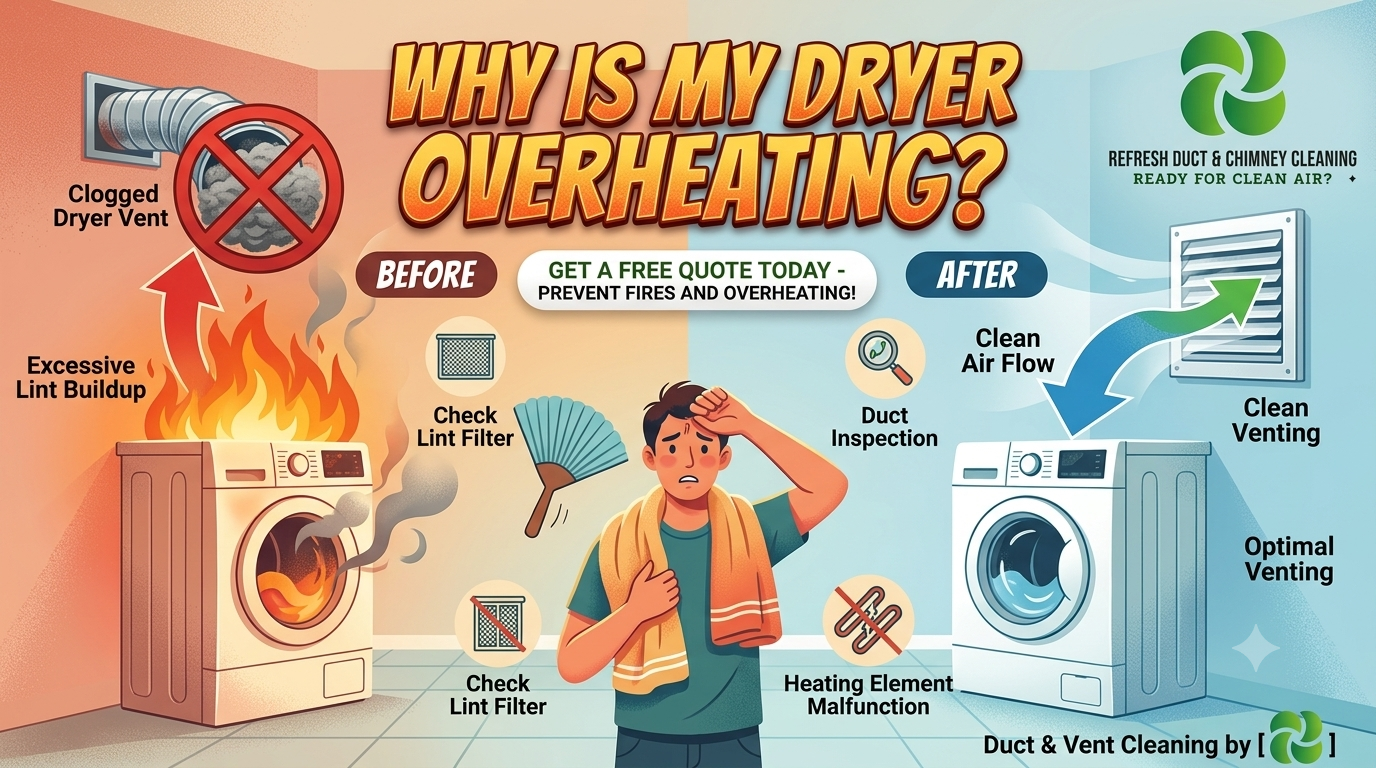
When you ask yourself why your dryer is overheating, the most frequent culprit is a severe restriction in the internal or external airflow pathways. A dryer relies heavily on a continuous, high-volume flow of air to safely carry away the moisture extracted from your wet laundry loads. When lint buildup blocks the exhaust system, dryer vent cleaning Los Angeles helps restore proper airflow, reduce excessive heat buildup, and keep the appliance operating safely and efficiently.
If this vital airflow is blocked by lint accumulation or crushed ventilation ducts, the intense heat generated by the heating element becomes trapped inside the drum. This trapped thermal energy causes the internal components and the outer cabinet to reach dangerously elevated temperatures very rapidly.
The Role of Blocked Exhaust Vent Systems
- The exhaust vent system is responsible for safely channeling hot, moisture-laden air away from the appliance and completely outside of your residential property structure.
- Over months of regular operation, tiny fabric fibers manage to bypass the primary lint filter and accumulate inside the long stretches of the ventilation piping.
- This gradual buildup creates a thick, solid barrier that suffocates the appliance’s exhaust mechanism and prevents thermal energy from escaping efficiently.
- When the exhaust path is heavily compromised, the heated air bounces back into the dryer core, creating a rapid compounding effect of extreme temperatures.
Faulty Heating Elements and Electrical Failures
In electric clothes dryers, the heating element consists of a heavy-duty metal coil that glows red-hot to produce the necessary thermal energy for drying. Over time, these delicate coils can suffer from mechanical wear, warp out of shape, or experience an internal short circuit that keeps them permanently energized.
When a heating element shorts out against the metal housing assembly, it can remain turned on constantly, even during the cool-down phase of the cycle. This unregulated, continuous heat production bypasses the standard control boards and causes the appliance to overheat to extreme, dangerous levels.
Malfunctioning Cycling Thermostats and Thermal Fuses
Your dryer is equipped with multiple internal thermostats and safety components designed to carefully monitor, regulate, and limit internal temperature levels throughout the cycle. The cycling thermostat is responsible for turning the heating element on and off repeatedly to maintain an optimal, safe temperature for your fabrics.
If this thermostat malfunctions or becomes uncalibrated, it may fail to cut off power to the heater when the maximum safe temperature is reached. This failure allows the internal heat to skyrocket far beyond normal limits, triggering secondary safety devices like the one-time thermal fuse.
Accumulation of Flammable Fabric Lint
Lint is a natural byproduct of the friction created when clothes tumble together inside the high-heat environment of the rotating dryer drum. These microscopic fabric fibers are extremely dry, highly combustible, and can accumulate rapidly within the internal cabinet housing and the primary lint trap.
Crushed or Kinked Flexible Transition Hoses
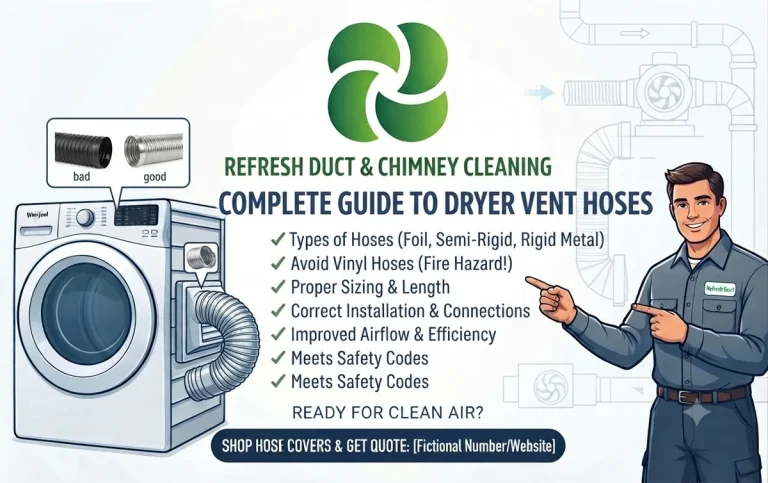
The flexible transition hose connects the rear exhaust port of the appliance directly to the rigid wall vent line hidden within the room structure. If the heavy appliance is pushed too close to the back wall, this flexible foil or plastic hose can easily become severely crushed, kinked, or restricted.
Malfunctioning Internal Drive Motor Assembly
The internal electric drive motor is responsible for simultaneously spinning the heavy clothing drum and turning the blower fan wheel that forces air through the vents. If the motor bearings become worn down, clogged with dust, or dry, the motor will experience extreme friction and begin to overheat externally.
Restricted Outdoor Exhaust Hood Cover Flaps
The outdoor exhaust hood is the final exit point where the hot, moist laundry air escapes into the outside atmosphere safely. If the swinging plastic flaps or external wire mesh screens become glued shut by wet lint, spiderwebs, or debris, air cannot exit the building.
Overloading the Dryer Drum with Clothes
Stuffing too many heavy, wet items into the dryer drum at a single time leaves zero room for proper air distribution and tumbling action. The massive, compacted wet clothing mass blocks the internal air intake and exhaust grates, trapping the intense heat directly behind the heating element assembly.
Deficient Primary Lint Trap Mesh Screen
The primary lint screen must be cleaned thoroughly by hand before and after every single load of laundry is processed through the machine. If the fine mesh screen becomes completely glazed over with a invisible layer of fabric softener residue or waxy buildup, air cannot pass through freely.
Professional Diagnostics for Overheating Issues
- When your household appliance continues to experience dangerous thermal spikes despite cleaning the basic lint filters, professional diagnostic intervention becomes completely necessary.
- Certified technicians utilize advanced specialized equipment, such as digital thermal imaging cameras and electrical multimeters, to locate hidden internal failures accurately.
- They can safely measure precise voltage drops across the heating assembly and verify the exact temperature calibration points of internal sensors.
Detailed Dryer Overheating Component and Diagnostic Matrix
The following comprehensive informational matrix provides an in-depth breakdown of various mechanical components, their specific failure mechanisms, associated safety risk levels, and the precise corrective actions required to restore safe operation to your appliance.
| Affected Component | Primary Failure Mechanism | Safety Risk Level | Direct Impact on System | Recommended Corrective Action |
| Exhaust Vent Pipe | Thick accumulation of packed fabric lint and debris over long-term usage. | Extreme Risk | Suffocates all system airflow, traps extreme heat, and causes immediate fire hazards. | Perform a comprehensive mechanical brush and vacuum cleaning of the entire vent line. |
| Cycling Thermostat | Internal electrical contacts weld together, keeping the heater permanently turned on. | High Risk | Eliminates automatic temperature regulation, causing continuous, unmanaged heat spikes. | Conduct an electrical continuity test using a multimeter; replace the thermostat if faulty. |
| Heating Element | Metal alloy coil warps, breaks, or shorts out directly against the grounded outer frame. | Extreme Risk | Creates an unregulated electrical path that produces continuous, maximum thermal energy. | Carefully inspect the coil for visible physical breaks or grounding shorts; replace the assembly. |
| Transition Hose | Flexible material becomes physically crushed, collapsed, or severely kinked against the wall. | High Risk | Instantly chokes the exhaust velocity, causing rapid heat accumulation in the main drum. | Pull the appliance outward and replace damaged plastic or foil hoses with rigid metal pipes. |
| Thermal Safety Fuse | Fails to blow or trip when internal temperatures exceed safe operational design limits. | Extreme Risk | Removes the final defensive emergency backup line, allowing catastrophic thermal runaways. | Test electrical continuity immediately; replace the blown fuse alongside the faulty thermostat. |
| Blower Fan Wheel | Plastic blades strip out, break apart, or become jammed by large loose objects. | Medium Risk | Stops the active movement of air through the system while the heating element stays hot. | Disassemble the blower housing, clear out stuck debris, or replace the broken fan wheel. |
| Drive Motor | Internal electrical windings experience short circuits or mechanical bearing failures. | High Risk | Generates intense independent ambient heat while failing to turn the drum or blower fan. | Clean out accumulated dust layers or replace the entire drive motor assembly if failing. |
| Outdoor Vent Cap | Exterior weather flaps become stuck shut due to debris, ice, or animal nesting activity. | High Risk | Blocks the final atmospheric exhaust path, forcing dangerous heat back into the residence. | Manually clear away external obstructions and ensure the flap moves freely with airflow. |
| Lint Trap Screen | Fine mesh becomes coated with an invisible, waxy layer of fabric softener chemicals. | Medium Risk | Impedes smooth daily air circulation directly at the exit point of the tumbling drum. | Wash the mesh screen thoroughly using warm water, liquid soap, and a soft nylon brush. |
Crucial Preventative Maintenance Routines for Safety
Establishing a consistent, highly disciplined preventative maintenance routine is the most effective method for keeping your appliance operating within safe temperature parameters. Homeowners should make it an absolute habit to clear the primary lint trap screen every single time a new load is started. Additionally, the physical space directly underneath and behind the appliance should be vacuumed monthly to eliminate loose dust and fiber debris.
Inspecting Internal Blower Fan Wheels
The internal blower fan wheel is responsible for creating the physical suction that pulls air through the tumbling drum and pushes it outside. Over time, small clothing items like socks, coins, or large clumps of dense lint can slip past the filter and jam the fan blades.
Replacing Vinyl Hoses with Rigid Metal Pipes
Many older residential configurations still utilize flexible vinyl or plastic accordion-style hoses to connect the appliance to the main exhaust line. These materials are highly susceptible to sagging, trapping large quantities of lint, and melting instantly when exposed to elevated appliance temperatures.
Testing Safety Switches with Multimeters
Electrical multimeters are invaluable diagnostic tools that allow you to test the resistance and continuity of internal safety switches and thermal sensors. By testing these components during annual maintenance, you can detect an uncalibrated or failing thermostat before it causes an overheating emergency.
Cleaning Waxy Fabric Softener Residue
Using disposable fabric softener sheets or liquid conditioners during the washing and drying cycles leaves behind an invisible, chemical film. This waxy chemical residue gradually coats the fine mesh of your lint screen, restricting airflow even if no visible lint is present.
Clearing Animal Nests from Vent Lines
The warm, dark interior of an outdoor exhaust vent line represents a highly attractive nesting spot for small birds, mice, and squirrels. If your external vent hood lacks a functional self-closing flap, these animals will bring in sticks, leaves, and grass to build nests.
Maintaining Proper Clearance Around Cabinets
Appliances require adequate physical breathing room around their exterior metal cabinets to dissipate the normal radiant heat generated during operation. Shoving a dryer tightly into a cramped closet or stacking heavy boxes directly against its sides restricts natural ambient air cooling.
Long-Term Impact of Neglecting Overheating Symptoms
- Constantly ignoring the clear warning signs of an overheating appliance leads to severe, cumulative long-term damage that extends far beyond a ruined load of laundry.
- Operating a machine under continuous thermal stress degrades the internal electrical insulation protecting the wiring, significantly increasing the risk of short circuits.
- The excessive heat warps the steel structural drum, ruins the rubber support rollers, and destroys the delicate electronic control boards that manage cycle settings.
Conclusion
In conclusion, a dryer that is experiencing persistent overheating issues should never be ignored or dismissed as a minor, everyday household occurrence. The underlying root causes, ranging from simple lint accumulation to complex electrical failures, present genuine threats to both your appliance and your home’s safety.
Fortunately, by understanding the vital importance of unrestricted airflow and regular component maintenance, you can easily control and mitigate these risks effectively. Taking the time to clear vent lines, inspect safety sensors, and adopt proper loading habits ensures your appliance operates at peak efficiency.
FAQs
Q1: What is the very first thing I should do if I suspect my dryer is overheating?
You must immediately stop the current drying cycle, turn off the appliance, and safely unplug it from the wall electrical outlet. Allow the machine to cool down completely for at least thirty to forty minutes before attempting to open the door or inspect any internal components.
Q2: How can a completely blocked exhaust vent cause my clothing to become physically damaged?
When the exhaust pathway is blocked, the intense radiant heat remains completely trapped inside the rotating drum instead of escaping safely outside. This trapped thermal energy causes the internal temperatures to spike far past safe thresholds, scorching delicate fabrics and melting synthetic materials like polyester.
Q3: Can a broken or uncalibrated internal sensor cause a dryer to overheat constantly?
Yes, if the cycling thermostat fails or its internal electrical contacts become permanently fused together, it loses the ability to regulate heat. The thermostat will fail to signal the heating element to turn off when safe temperature limits are reached during operation.
Q4: Is it safe to operate a dryer if the one-time thermal safety fuse has been bypassed?
No, you must absolutely never bypass a thermal safety fuse as a temporary or permanent fix to keep a machine running. The thermal fuse is an essential emergency safety device designed to cut off all electrical power if temperatures reach catastrophic levels.
Q5: How does washing my primary lint screen with soap help prevent appliance overheating?
Fabric softener sheets and liquid laundry detergents leave behind an invisible, waxy chemical residue that gradually glazes over the fine mesh screen. This chemical buildup restricts smooth air circulation through the system, even if you clean the physical lint off regularly.
Q6: What are the primary indicators that my outdoor exhaust hood is causing heat to back up?
You can easily check this by walking outside and observing the exhaust hood while the appliance is actively running a cycle. If the swinging damper flaps are stuck closed, or if you feel only a very weak breeze escaping, there is a blockage.
Q7: Why does overloading the rotating drum lead to severe internal heat accumulation?
When you stuff too many wet clothes into the drum, the heavy mass completely blocks the internal intake and exhaust grates. Without empty space for the air to circulate and move through the fabrics, the heat builds up directly around the element.
Q8: Can a mechanical failure in the drive motor cause the dryer to feel hot to the touch?
Yes, if the internal motor bearings become worn out or heavily packed with dust, it creates massive physical friction during operation. This mechanical friction causes the electric motor to run extremely hot, transferring that extra heat directly to the outer metal cabinet.
Q9: How often should a typical household clean their complete external vent piping system?
A standard household should perform a comprehensive cleaning of the entire vent pipe from the machine to the outside wall annually. However, if you have a large family, wash multiple heavy loads daily, or have pets, you should clean it every six months.
Q10: What does a persistent burning smell coming from my running dryer indicate to a homeowner?
A burning smell is a critical emergency warning sign that accumulated lint is already scorching or a fire has started internally. You must immediately shut off the power, disconnect the machine, and check for signs of active smoke or fire behind the drum.