
Dryer vent cleaning los Angeles is an essential process that removes lint, dust, and debris from the vent system that carries hot air from your clothes dryer to the outside, helping improve efficiency and reduce fire risks. When you dry your clothes, tiny fibers break off from the fabric and form a soft material called lint. Over time, this lint passes through the filter and begins to collect inside the narrow vent pipe. If you do not clean this build-up regularly, the airflow gets blocked, and your machine stops working correctly.
Professionals use special long flexible brushes and powerful vacuum machines to clean every corner of the pipe deeply. This simple maintenance task not only makes your dryer last much longer but also protects your home from dangerous house fires. Regularly cleaning the vent pipe keeps your machine safe, reduces drying times, and saves you a lot of money on utility bills.
What Is Dryer Vent Cleaning?
Cleaning your dryer pipe is a simple way to keep your home safe and make your laundry machine run better every day. When the exhaust tube is clear, the machine does not have to struggle or work extra hard to dry your clothes. A bad blockage forces the system to use too much electricity, which quickly damages the parts and raises your bills.
Many people think their appliance is broken when it stops drying well, but a dirty pipe is usually the real problem. Taking care of this network gives the trapped hot air a clear, direct, and safe path out of your house. This regular maintenance protects your machine from breaking down, cuts down your laundry time, and keeps your family safe from fires.
Common Signs and Hazards of Clogged Vents
- Watching for early signs of a blocked pipe can save you from high repair bills and stop dangerous accidents before they start.
- When lint blocks the air path, your machine gives off clear warnings to show it is working too hard to push out damp air.
- Ignoring these warning signs forces the heating parts to run all the time, which quickly ruins the motor and the internal switches.
- Many families have to replace their laundry machines early simply because they do not notice the signs of a clogged tube.
- From hot laundry rooms to damp walls, a dirty system changes things around your house in ways you can easily see.
- Checking how your machine behaves is the easiest way to keep your home running smoothly and free from hidden dangers.
Premature Equipment Breakdowns and Damages
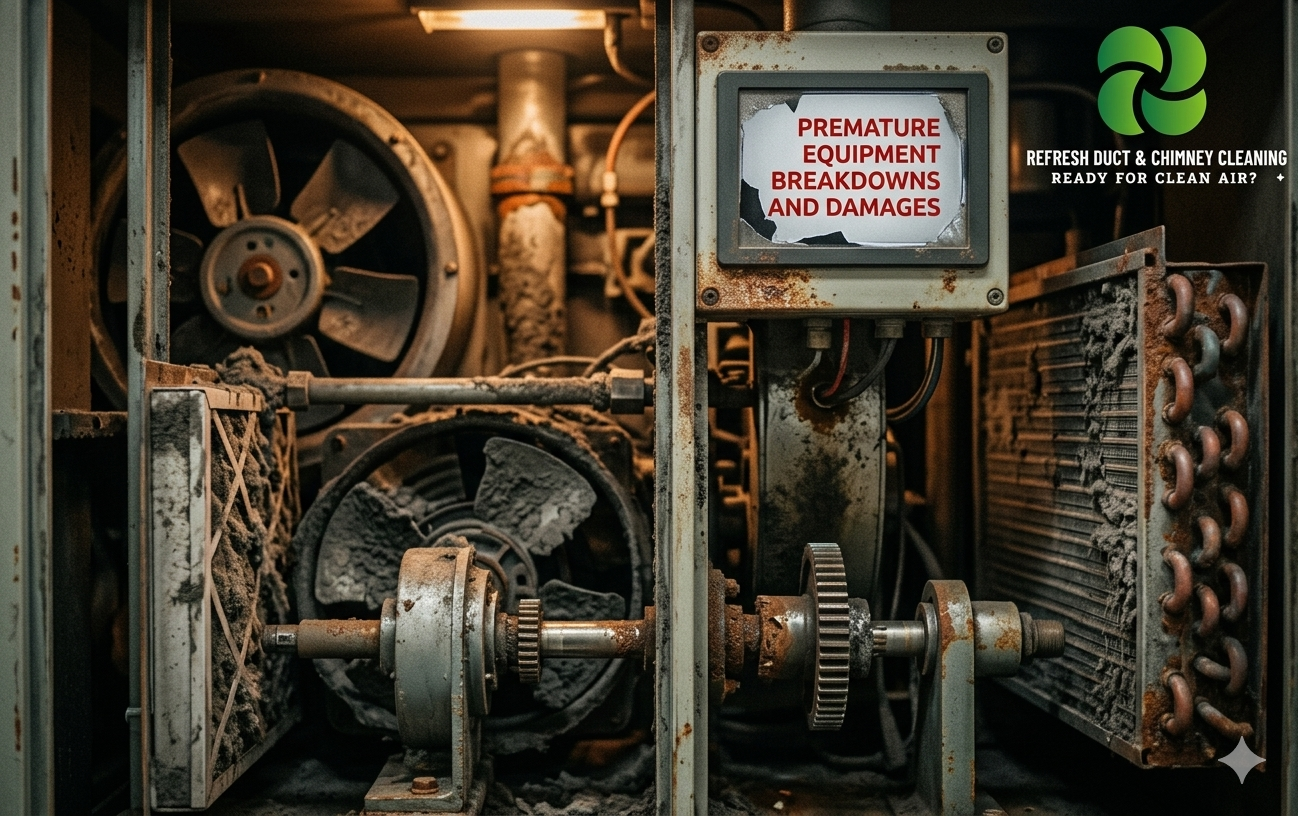
Equipment breakdowns often happen when systems are not maintained properly or are used beyond their limits. Small issues can become major problems if they are ignored for a long time. Regular inspections help identify faults before they cause serious damage.
Proper cleaning, repairs, and timely servicing can increase equipment life. A well-maintained system works more efficiently and reduces unexpected failures. This helps save repair costs and keeps operations running smoothly.
Understanding the Ventilation Network
The dryer vent is a long pipe made of aluminum or solid metal that safely carries hot air and moisture out of your house. It starts right behind your laundry machine and goes through the walls or ceiling to reach the outside exhaust opening.
If lint and dust stick to the inner walls of this network, the air cannot escape, and the whole system becomes blocked. When the air cannot move freely, the wet steam stays trapped inside the machine, keeping your clothes damp and wet.
The Problem of Lint Accumulation
Lint is the collection of tiny fibers and loose threads that come off your clothes during the washing and drying cycles. Even though every modern dryer has a small removable lint screen to catch debris, a lot of fine dust still escapes into the vent pipe.
Why Airflow Restricted Systems Fail
When the exhaust pathway becomes narrow or completely blocked, the internal air pressure and heat inside the dryer rise to dangerous levels. Because of this heavy backpressure, the machine cannot work at its best and fails to push the hot air outside.
The Warning of Slow Drying
If you notice that your everyday clothes are taking much longer to dry, it means there is a severe blockage in your pipe. Clothes that used to dry perfectly in one simple 40-minute cycle now require you to run the machine two or three times.
Excessive Heat in the Laundry Space
When the vent is blocked, the hot air cannot go outside, so it pushes back into the machine body and the laundry room. While the dryer is running, you will feel that the surrounding room temperature is much hotter and more humid than usual.
Strong Burning Odors During Operation
A strong burning smell during operation can indicate a possible issue inside the system. It may happen due to overheating parts, electrical faults, dust buildup, or poor maintenance. Ignoring these odors can lead to bigger equipment problems and safety risks.
Regular checks help find the source of the smell and prevent damage. Proper servicing keeps the system safe, efficient, and reliable. If unusual odors appear, professional inspection is recommended.
The Danger of Scorching Lint
When dry and fluffy lint builds up inside the pipe, it can get too close to the dryer’s heating element and start to scorch. If you smell a strange burning odor in the laundry room or on your clothes while the machine is running, turn it off immediately.
Dampness and Fungal Growth
A blocked pipe traps both hot air and all the wet steam that comes out of your wet clothes. This trapped moisture leaks through the pipe joints and turns into water droplets behind the machine and on the walls.
Inspecting the Exterior Exit
The exhaust vent cover on the outside wall of your house has a small flap that opens using air pressure from the dryer. If the vent pipe is blocked inside, the weak air pressure cannot push this flap open, causing it to stick shut.
Financial Losses from Clogs
When you have to run the dryer for hours just to dry a small load of laundry, your home energy use increases. Every month, your electricity or gas bill will suddenly look much higher for no apparent reason, which ruins your monthly budget.
Premature Equipment Breakdowns and Damages
Trapping hot air inside the machine puts constant, heavy stress on the dryer’s internal heating elements and safety thermostats. This extreme overheating causes expensive internal parts to burn out and break down long before they should wear out naturally.
The machine’s motor and belts also snap because they have to run for too many hours without a break. You will find yourself paying for expensive repairs every few months or buying a brand-new dryer sooner than expected.
Comparison Table: Clean vs Clogged Vents
Looking at the main differences between a clean vent line and a blocked one shows you why regular cleaning is worth it. When you keep the pipe clear, your machine runs perfectly, which keeps the heat low and makes your home much safer.
| Feature / Factor | Clean Dryer Vent System | Clogged / Blocked Dryer Vent System |
| Drying Time | 30 to 45 minutes per cycle | 60 to 90+ minutes (multiple cycles needed) |
| Energy Consumption | Low and optimized energy usage | Very high electricity or gas bills |
| Apparatus Temperature | Normal warm air circulation | Extremely hot to touch, risk of overheating |
| Fire Hazard Risk | Minimal / Safe home environment | Extremely high due to dry lint accumulation |
| Machine Lifespan | Long-lasting, fewer mechanical breakdowns | Shortened lifespan, heating element damages |
| Airflow Efficiency | Smooth and continuous airflow | Restricted or completely stopped airflow |
| Burnt Odor | Fresh smelling clothes and room | Strong burning smell during operation |
| External Vent Flap | Opens properly when dryer is running | Stays closed or covered in thick lint |
| Lint Trap Condition | Captures normal amount of debris | Overflows with lint and dirt particles |
| Yearly Repair Costs | Very low maintenance budget required | Frequent and expensive component replacements |
Professional Service and Expert Methodologies
Using a professional service ensures your vents are cleaned with strong, high-grade tools that regular home tools cannot match. Experts understand how home pipes are built and know how to clean delicate lines hidden inside your walls safely. Trying to clear deep blocks without the right tools can break, disconnect, or puncture the pipes, creating bigger problems.
Experienced workers follow a careful step-by-step plan that removes all the lint while keeping your laundry room completely clean. They do not just pull out loose dirt; they scrub the inside walls of the tube and check the final airflow.
Initial Assessment and Inspection
Professional cleaning always begins with a careful inspection of the ventilation system and safely disconnecting the machine. Expert technicians first unplug the dryer from the power line or gas valve to prevent any electrical shocks during work.
Heavy Duty Flexible Rod Equipment
To clean a dryer vent completely, professionals use special commercial-grade rods that are highly flexible and durable. These rods are strong but can easily bend through every tight turn and elbow inside the wall without tearing the pipe.
Industrial Grade Vacuum Extraction
While the flexible brush scrapes the lint off the inner walls, a high-power industrial vacuum is turned on simultaneously. This commercial vacuum machine is so powerful that it pulls out every single piece of loose lint and dust from the pipe.
Bird and Pest Nest Removal
Sometimes, if the outside vent flap is broken or missing, small birds, mice, or squirrels build nests inside the pipe. These nests are made of twigs, feathers, and dry grass, which completely block 100 percent of the air passage.
Recommended Annual Cleaning Schedules
- Every normal home where a dryer is used regularly should follow a strict annual cleaning schedule to maintain safety.
- If you have a large family and do multiple loads of laundry every day, experts recommend cleaning it twice a year.
- Sticking to a regular schedule ensures that your entire ventilation network stays clean and free of sudden breakdown risks.
- This routine maintenance saves you from unexpected repair bills and protects your home from the hidden danger of fires.
Post-Cleaning Airflow Verification
After finishing the cleaning work, experts always run a final test on the air pressure and flow of the system. They use a special digital airflow meter to check if the air speed matches the manufacturer’s original standards.
This test gives you peace of mind that no hidden dirt or blockage is left behind inside the long pipe. Once the airflow is fully restored, the dryer’s efficiency improves immediately, and your clothes start drying much faster.
Conclusion
Dryer vent cleaning is not an unnecessary chore that you can simply ignore, but it is a critical part of home safety. Regular cleaning ensures your dryer uses less energy, dries clothes faster, and protects the machine from early breakdowns. Most importantly, it keeps your family completely safe from dangerous house fires and protects you from heavy financial losses.
If you have not inspected your dryer’s exhaust pipe in a long time, you should start paying attention to it today. Hiring a professional to clean the entire system makes your daily life much more comfortable, efficient, and safe. Taking this small step improves your home’s energy efficiency and gives you complete peace of mind.
Frequently Asked Questions (FAQs)
Q1. Why is dryer vent cleaning necessary?
Ans. Cleaning your dryer vent is very important to protect your home from dangerous fires caused by trapped lint. When the exhaust pipe is clean, the machine works smoothly, allowing your wet clothes to dry in a very short time. Additionally, reducing the strain on the dryer cuts down your monthly electricity or gas bills and saves money.
Q2. How often should we clean the dryer vent?
Ans. In most homes where the dryer is used on a regular basis, you should clean the pipe at least once a year. If you have a large family and use the machine multiple times every day, it is better to clean it twice a year. This regular maintenance keeps your system running without any unexpected blockages or performance issues.
Q3. What is the difference between a lint trap and a dryer vent?
Ans. The lint trap is the small filter located inside the dryer door that you can easily clean yourself after every load. On the other hand, the dryer vent is the long pipe attached to the back of the machine that goes through walls. The trap catches large fibers, while the vent pipe carries out fine dust and hot steam.
Q4. Can I clean my dryer vent by myself?
Ans. You can use retail DIY kits to clean the very beginning of the pipe for quick, light maintenance at home. However, if your pipe is very long or has multiple curves, regular home tools cannot reach deep and can break inside. For a complete and safe clean, you need professional tools and high-power vacuums used by experts.
Q5. How do I know if my dryer vent is blocked?
Ans. The first main sign is that your clothes start taking much longer to dry, forcing you to run multiple cycles. You will also notice that the laundry room and the outside body of the dryer feel unusually hot during use. A strong burning smell or an outside vent flap that stays closed are also clear signs of a blockage.
Q6. How long does a professional cleaning process take?
Ans. When a professional worker arrives at your home, they first check the length of the pipe and the amount of lint. If the vent system is straight and easy to reach, the cleaning process usually takes about 45 minutes to complete. However, if the pipe is long or has many tight turns, it can take up to 90 minutes.
Q7. What happens if the dryer vent is not cleaned?
Ans. If you ignore the vent pipe for a long time, the dry lint inside will overheat and can easily catch fire. This neglect can completely burn out the expensive heating element of your dryer and ruin the whole appliance. It also forces the machine to run longer, wasting your money and increasing your utility bills.
Q8. Does a clean vent reduce electricity bills?
Ans. Yes, when the vent pipe is completely clean, hot air and moisture escape from the machine without any resistance. This means your clothes dry much faster in just one cycle, reducing the overall running time of the appliance. Since the machine runs less, it consumes much less gas or electricity, lowering your monthly bills.
Q9. What kind of debris collects inside a dryer vent?
Ans. The most common material found inside the vent pipe is lint, which consists of tiny fabric fibers from your clothes. Over time, household dust, loose threads, and hair also get pushed into the pipe and stick to the damp walls. Sometimes, birds, mice, or insects even build nests inside if the outside cover is broken.
Q10. Is vent cleaning necessary for brand-new dryers?
Ans. Many people incorrectly believe that a brand-new dryer does not need its vent pipe cleaned, which is a mistake. No matter how new or advanced your dryer is, it will still produce lint during every single drying cycle. If the wall pipe is already clogged, even a new machine will lose its efficiency and break down.