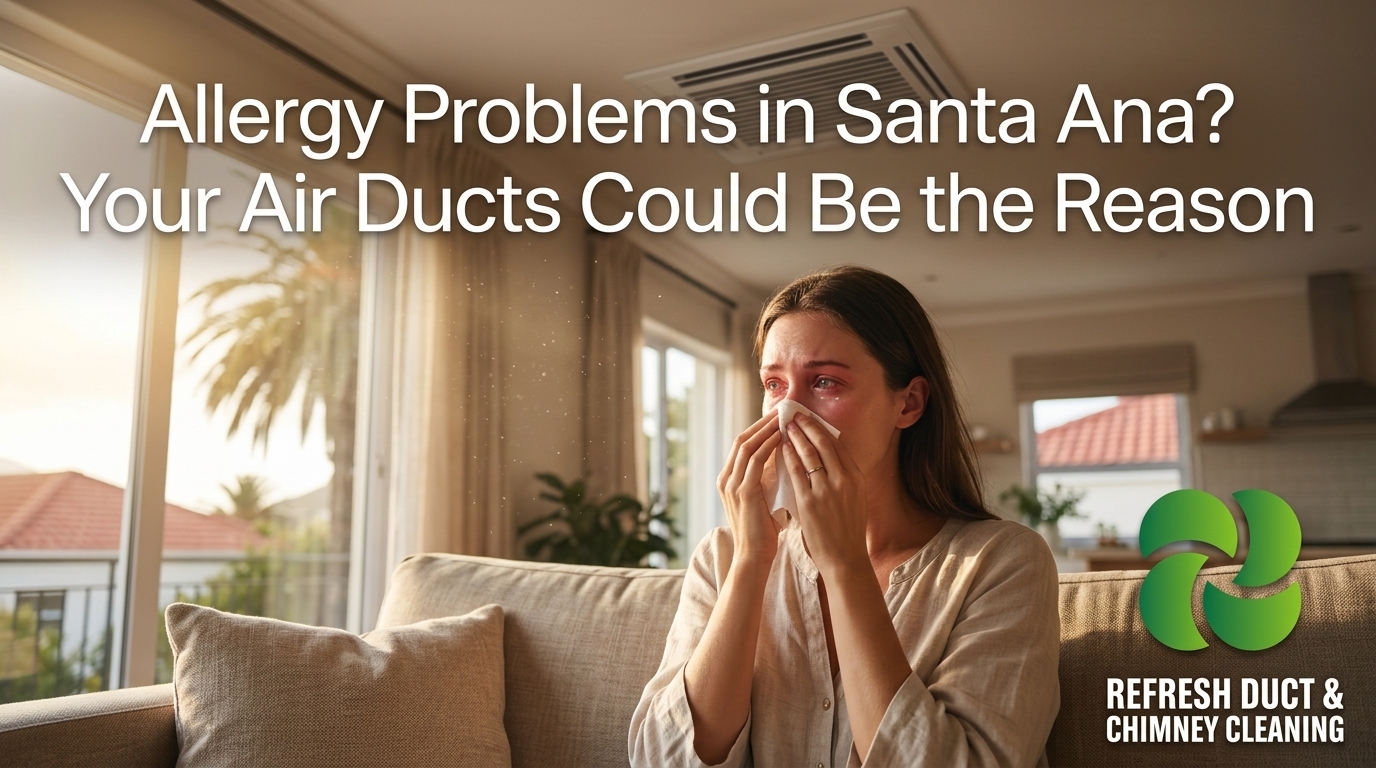
Allergies are a common and growing concern for residents in Santa Ana, especially during seasonal pollen surges and dust storms. Many people assume that outdoor allergens are the main culprit, but indoor air quality plays a critical role. Allergy Problems in Santa Ana? Your Air Ducts Could Be the Reason highlights how neglected air duct systems may aggravate allergies and impact overall health.
Dust, mold, and pollen can accumulate inside HVAC ducts, spreading throughout your home each time the system runs. Poorly maintained ducts not only worsen allergy symptoms but also reduce HVAC efficiency, increasing energy costs. Regular inspection and cleaning of air ducts can improve air quality, protect your family’s health, and make your home a safer environment.
What Are Common Air Duct Allergy Triggers in Santa Ana?
Air ducts can harbor a variety of contaminants that contribute to indoor allergy problems. Dust accumulation, pollen, pet dander, and mold spores are often circulated unnoticed. When HVAC systems push these particles through vents, they can exacerbate sneezing, congestion, and itchy eyes.
Mold growth is particularly concerning in humid areas or older ductwork. Even a small moisture leak can create an environment for mold proliferation. Regular monitoring and duct maintenance reduce the risk of allergens spreading throughout the home.
Dust and Debris
- Dust collects in ductwork over months or years.
- Circulated dust aggravates respiratory problems and skin irritation.
- Regular vacuuming or professional cleaning minimizes airborne particles.
Mold and Moisture
- Moisture in ducts leads to mold formation.
- Mold spores trigger allergic reactions and respiratory issues.
- Fixing leaks and cleaning ducts reduces mold risk.
Pet Dander
- Homes with pets accumulate dander in ducts.
- Airborne dander can exacerbate asthma and allergies.
- Regular duct cleaning helps reduce exposure.
When Should You Inspect and Clean Your Air Ducts?
Air duct inspections should be performed annually, especially in households with allergy-prone individuals. Homes with pets, smokers, or recent renovations may require more frequent checks. Inspecting before allergy season is particularly beneficial to reduce airborne triggers.
Signs that ducts need immediate attention include unusual odors, visible mold growth near vents, or excessive dust accumulation. Addressing these issues early prevents allergy flare-ups and maintains HVAC efficiency.
How Does Air Duct Cleaning Improve Allergy Symptoms?
Cleaning air ducts removes accumulated dust, pollen, pet dander, and mold spores. With fewer allergens circulating, residents experience fewer allergy symptoms, including sneezing, coughing, and congestion. Clean ducts also prevent dust from settling on furniture and floors, further improving indoor air quality.
In addition, duct cleaning enhances HVAC efficiency. When airflow is unobstructed, heating and cooling systems perform more effectively, reducing energy bills. This proactive step is essential for allergy management in Santa Ana homes.
Steps in Professional Air Duct Cleaning
- Inspection – Professionals examine ducts for mold, dust, and debris.
- Vacuuming – High-powered vacuums remove accumulated dust and dander.
- Brush Agitation – Brushes dislodge stubborn debris from duct walls.
- Sanitization – Optional treatment kills mold and bacteria.
Why Are Air Ducts Often Overlooked in Allergy Prevention?
Many homeowners focus on visible areas such as carpets and upholstery, but neglect HVAC systems. Dust and allergens inside ducts are hidden and easily ignored. The movement of air spreads contaminants throughout the home unnoticed.
Neglecting air ducts creates long-term problems. Allergens continue to circulate and build up, worsening allergy symptoms over time. Prioritizing duct maintenance is an essential part of a comprehensive indoor air quality plan.
What Causes Allergy Problems in Santa Ana Homes?
Santa Ana experiences a mix of environmental factors, such as dust, pollution, and seasonal pollen that can easily enter homes. These particles often settle inside air ducts, creating a cycle of contamination whenever your HVAC system operates. Over time, the buildup becomes significant enough to impact indoor air quality and trigger allergy symptoms.
Common Environmental Allergens
Airborne allergens in Santa Ana include pollen, dust mites, pet dander, and mold spores. These particles are small enough to pass through air filters and accumulate inside duct systems. When the HVAC system runs, these allergens are redistributed throughout the home.
Indoor Contamination Sources
Indoor activities also contribute to duct contamination. Cooking, smoking, cleaning chemicals, and pet shedding all release particles into the air. Without proper ventilation and cleaning, these pollutants settle in ductwork and worsen allergy conditions.
Impact of Climate and Dust
Santa Ana’s dry and warm climate increases dust levels, which easily enter homes. Dust accumulation inside ducts creates an ideal environment for allergens to thrive. This leads to continuous exposure and worsening allergy symptoms over time.
Key Factors That Contribute to Air Duct Allergy Issues
Several factors increase the likelihood of allergy triggers circulating through ducts. High humidity, poor ventilation, and infrequent filter changes all contribute. Homes with older HVAC systems or leaky ducts are particularly vulnerable.
HVAC System Age
- Older systems may have accumulated years of dust and debris.
- Worn components are harder to clean effectively.
- Upgrading or maintaining systems reduces allergens.
Filter Maintenance
- Dirty or inefficient filters fail to trap allergens.
- Replacing filters every 1–3 months improves air quality.
- HEPA filters provide enhanced filtration for allergy sufferers.
Humidity and Moisture
- High humidity promotes mold growth inside ducts.
- Leaks from the roof or plumbing increase the risk of moisture.
- Dehumidifiers help maintain optimal indoor humidity levels.
House Occupancy and Activities
- Pets, smoking, and heavy cooking increase airborne particles.
- Renovations introduce dust and construction debris into ducts.
- Scheduling cleaning after major activities reduces the spread of allergens.
Can Air Duct Problems Cause Other Health Issues?
Yes, neglected ducts can lead to more than just allergy symptoms. Mold spores and bacteria in HVAC systems can cause respiratory infections and trigger asthma attacks. Persistent exposure to dust and pollutants may worsen chronic respiratory conditions.
Clean air ducts reduce the overall particle load in the home. Residents experience fewer headaches, less fatigue, and improved respiratory comfort. Proper maintenance creates a healthier indoor environment.
Does Duct Sealing Affect Allergy Management?
Sealing leaks in ductwork ensures that air travels efficiently through intended channels. Leaky ducts can draw in dust, insulation fibers, and other contaminants. Proper sealing prevents allergens from circulating into living spaces.
Additionally, duct sealing improves HVAC efficiency, reducing energy consumption. Combining sealing with cleaning offers the best results for allergy reduction.
Differences Between Air Duct Cleaning Methods
Air duct cleaning methods vary based on the level of contamination, the type of HVAC system, and the tools used by professionals. Each method has its own approach to removing dust, debris, mold, and other pollutants from inside the ductwork. Choosing the right method is important because it directly affects the effectiveness of the cleaning and the overall air quality in your home. Understanding these differences helps homeowners make informed decisions when scheduling duct cleaning services.
Mechanical Brush Cleaning Method
This method uses specialized rotating brushes that physically scrub the inside walls of the ductwork. The brushes dislodge dust, dirt, and debris so that it can be vacuumed out of the system. It is highly effective for removing heavy buildup and stubborn contaminants.
Negative Pressure (Vacuum) Cleaning Method
Negative pressure cleaning involves using a powerful vacuum system to create suction inside the ducts. This method pulls out loose dust and particles while keeping contaminants contained. It is often used alongside other cleaning techniques for better results.
Air Whip or Agitation Cleaning Method
This method uses compressed air tools or “air whips” to loosen debris inside the ducts. The loosened particles are then removed using a vacuum system. It is particularly useful for reaching hard-to-access areas within the ductwork.
Chemical Cleaning and Sanitization
Chemical cleaning involves applying safe disinfectants or antimicrobial solutions inside the ducts. This method helps eliminate mold, bacteria, and odor-causing contaminants. It is often recommended when there is visible microbial growth.
Combination Cleaning Method
Many professionals use a combination of methods to achieve the best results. For example, they may use mechanical brushing followed by vacuuming and sanitization. This ensures a more thorough and complete cleaning process.
How Often Should Air Ducts Be Cleaned in Santa Ana?
Maintaining clean air ducts is essential for controlling allergies. The frequency of cleaning depends on several environmental and lifestyle factors.
| Condition | Cleaning Frequency | Impact on Allergies | Recommended Action | Notes |
|---|---|---|---|---|
| Standard Home | Every 3-5 years | Moderate | Routine maintenance | General guideline |
| Homes with Pets | Every 2-3 years | High | More frequent cleaning | Pet dander buildup |
| Allergy Sufferers | Every 1-2 years | Very High | Regular cleaning | Reduces symptoms |
| Mold Issues | Immediate | Severe | Professional cleaning | Health risk |
| Recent Renovation | Immediately | High | Post-construction cleaning | Dust accumulation |
| Smoking Households | Every 2 years | High | Deep cleaning required | Smoke residue |
| High Humidity Areas | Every 2-3 years | Moderate | Prevent mold growth | Climate factor |
| Commercial Spaces | Every 1-2 years | High | Frequent cleaning | Heavy usage |
| New Homes | Within 1 year | Low | Initial cleaning | Construction debris |
| Elderly Occupants | Every 1-2 years | High | Health-focused cleaning | Sensitive health |
Signs Your Air Ducts Need Immediate Attention
Air ducts play a vital role in maintaining indoor air quality and ensuring your HVAC system runs efficiently, but they are often overlooked until problems become serious. Over time, dust, debris, mold, and allergens can accumulate inside the ductwork, reducing airflow and spreading contaminants throughout your home or commercial space. Ignoring these warning signs can lead to higher energy bills, poor air quality, and potential health issues. Recognizing the early signs that your air ducts need immediate attention can help you take action before the problem worsens.
- Unusual Dust Buildup: If you notice excessive dust settling on furniture even after cleaning, your air ducts may be circulating contaminants. This indicates that the ducts need cleaning or inspection.
- Weak Airflow from Vents: Poor airflow can signal blockages or leaks in the duct system. This reduces HVAC efficiency and affects comfort levels.
- Unpleasant Odors: Musty or stale smells coming from vents often indicate mold or mildew inside the ducts. Immediate cleaning is necessary to prevent health risks.
- Visible Mold Growth: Mold around vents or inside ducts is a serious concern. It can spread quickly and impact indoor air quality.
- Increased Energy Bills: A sudden rise in energy costs may indicate your HVAC system is working harder due to clogged ducts. Cleaning can restore efficiency.
- Allergy or Respiratory Issues: Frequent sneezing, coughing, or allergies indoors may be linked to dirty air ducts. Contaminants circulating in the air can trigger these symptoms.
- Strange Noises in Ducts: Rattling or whistling sounds may indicate loose components or blockages. These issues should be inspected promptly.
Action Plan to Reduce Allergy Problems
- Replace HVAC filters regularly – Every 1–3 months to trap dust and pollen.
- Schedule annual duct cleaning – Removes accumulated allergens and debris.
- Inspect for mold – Check vents, ductwork, and HVAC components.
- Seal duct leaks – Prevents contamination from entering living spaces.
- Maintain humidity levels – Keep indoor humidity between 30–50% to prevent mold growth.
- Vacuum and dust frequently – Reduces surface allergens that can re-enter ducts.
- Monitor pets and smoking – Minimize indoor airborne irritants.
- Professional maintenance checkups – Ensure the HVAC system operates efficiently and safely.
Conclusion
Addressing air duct problems is a critical step in managing allergy issues in Santa Ana homes. Regular inspection, cleaning, and proper maintenance reduce allergens, improve HVAC efficiency, and protect family health. Focusing on duct care ensures a cleaner, safer indoor environment throughout the year.
Investing in professional air duct cleaning and implementing routine preventive measures enhances air quality, mitigates allergy symptoms, and promotes overall well-being. By prioritizing duct maintenance, homeowners in Santa Ana can breathe easier and enjoy healthier living spaces.
FAQs
1. How often should air ducts be professionally cleaned?
Typically, every 3–5 years, but homes with allergy sufferers or pets may need more frequent cleaning.
2. Can new HVAC filters solve allergy problems?
High-quality HEPA filters help trap allergens but do not remove accumulated dust in ducts.
3. Is mold inside air ducts common in Santa Ana?
Yes, particularly in older homes or areas with high humidity. Regular inspection and cleaning prevent mold proliferation.
4. Can duct cleaning reduce asthma symptoms?
Yes, it lowers the concentration of airborne irritants that trigger asthma attacks.
5. Are DIY duct cleaning kits effective?
They remove some surface dust but cannot replace professional deep cleaning.
6. How can I tell if ducts are spreading allergens?
Persistent allergy symptoms indoors, dust buildup, and musty odors are strong indicators.
7. Does closing unused vents reduce allergens?
No, closed vents can increase dust accumulation in the system; proper filtration and cleaning are better.
8. Are air purifiers a substitute for duct cleaning?
Air purifiers help reduce airborne particles but cannot remove allergens already trapped inside ductwork.