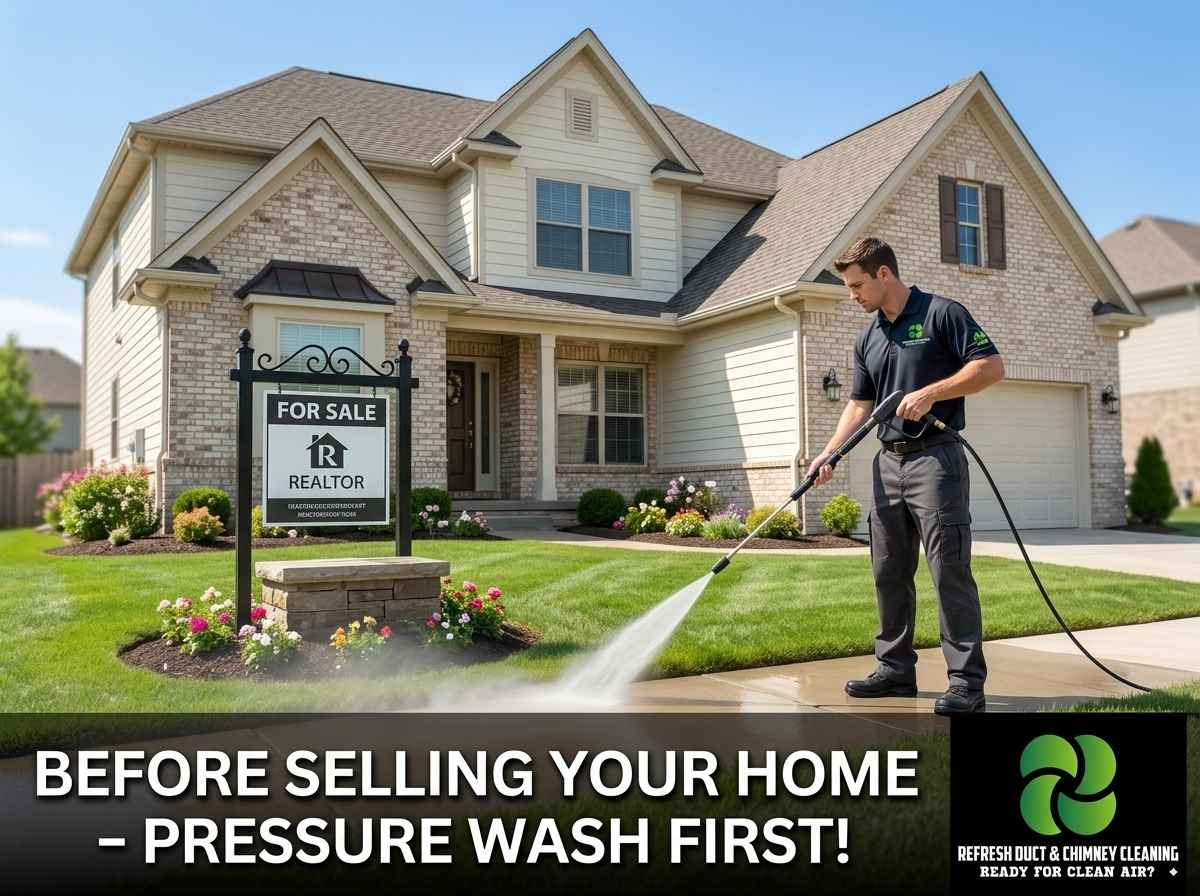
Selling a home in today’s competitive real estate market requires more than just staging the interior. First impressions start at the exterior, where dirt, grime, and mildew can negatively impact curb appeal. Before Selling Your Home – Pressure Wash First! ensures your property looks inviting and well-maintained to prospective buyers.
Exterior cleaning not only enhances aesthetics but also signals that the home has been cared for. Pressure washing surfaces like siding, driveways, and decks removes accumulated dirt and prevents long-term damage. A clean exterior can ultimately increase offers and shorten your home’s time on the market.
What Is Pressure Washing and Why Does It Matter Before Selling Your Home?
Pressure washing uses high-pressure water sprays to remove dirt, mold, algae, and other buildup from exterior surfaces. It restores the home’s original appearance without the need for extensive renovations. Performing this task before selling your home ensures the property stands out in photographs and in person.
A well-maintained exterior directly impacts buyer perception. Even minor grime can make a home appear neglected, lowering perceived value. Pressure washing is a cost-effective way to make the property look newer and more appealing.
Surfaces That Benefit Most from Pressure Washing
- Driveways and Walkways – Remove oil stains, moss, and dirt that accumulate over time. Clean concrete or stone enhances first impressions.
- Siding and Brickwork – Eliminate mildew, dust, and cobwebs that discolor surfaces. A spotless façade makes the home look cared for.
- Decks and Patios – Pressure washing prevents rot and splintering while brightening wood or composite materials.
- Fencing – Clean fences contribute to the property’s overall curb appeal. They appear to be maintained and structurally sound.
How Does Pressure Washing Improve Home Value?
Pressure washing is one of the most cost-effective ways to boost your home’s value without major renovations. It works by improving both the appearance and the condition of your property, which directly influences how buyers perceive and price your home. Even a simple exterior cleaning can create a strong return on investment and help your property stand out in a competitive market.
Below are the key ways pressure washing increases home value:
Improves Curb Appeal Instantly
First impressions matter a lot in real estate. Buyers often decide within seconds whether they like a property, and a clean exterior creates a strong positive impact. Pressure washing removes dirt, stains, algae, and pollution, making your home look fresh and well-maintained. A cleaner exterior can make paint colors look brighter, and surfaces appear newer without spending money on repainting. This visual upgrade alone can significantly increase perceived property value.
Increases Buyer Interest and Offers
Homes that look clean and well cared for attract more buyers and generate stronger offers. A dirty or stained exterior can give the impression that the property has been neglected. On the other hand, a freshly pressure-washed home signals proper maintenance, making buyers feel more confident about the purchase. This often leads to quicker sales and better negotiation outcomes.
Delivers High Return on Investment (ROI)
Pressure washing is relatively low-cost but offers high returns. Some estimates show homeowners can recover more than the cost spent and even achieve significant ROI compared to other upgrades. In many cases, a few hundred dollars spent on cleaning can add thousands to the home’s perceived value, making it one of the smartest pre-sale improvements.
Prevents Long-Term Damage
Over time, dirt, mold, algae, and mildew can damage surfaces like siding, roofs, and concrete. This buildup retains moisture, which can lead to cracks, rot, and structural issues. Pressure washing removes these harmful elements before they cause serious damage, helping maintain the property’s condition and protecting its long-term value.
Enhances Health and Safety
Mold, mildew, and algae are not just unattractive—they can also create health risks and slippery surfaces. Pressure washing eliminates these hazards, making the home safer for residents and visitors. A safer and healthier home environment is a strong selling point that can positively influence buyers.
Makes the Home Look Newer
Pressure washing can remove years of buildup in just a few hours, restoring surfaces to their original condition. This makes the home appear newer without expensive renovations. A “like-new” appearance increases the perceived value and reduces the need for buyers to invest in immediate repairs or cleaning.
Helps Homes Sell Faster
Clean homes tend to sell faster because they photograph better for listings and attract more online attention. According to real estate insights, properties with better curb appeal often sell 5–10% faster than comparable homes. Faster sales reduce holding costs and improve overall financial returns for sellers.
When Should You Pressure Wash Your Home Before Listing?
Timing your pressure washing is crucial for maximum impact. Ideally, perform the cleaning one to two weeks before listing to ensure the exterior stays fresh for showings. Doing it too early may allow dust or pollen to accumulate again, reducing the effect.
Seasonal considerations are also important. Spring and early summer are ideal in most regions because warm temperatures help surfaces dry quickly. Avoid pressure washing in extreme heat or freezing conditions to prevent surface damage.
How to Pressure Wash Safely and Effectively?
Proper technique ensures the home’s exterior is cleaned without damage. Use the correct pressure setting for each surface; too much pressure can etch wood or strip paint. Start from the top and work down to prevent streaks.
Using a suitable cleaning solution can help remove stubborn mold or mildew. Always rinse thoroughly and allow surfaces to dry completely before staging the home. A professional service can ensure optimal results with minimal risk.
DIY vs. Professional Pressure Washing
- DIY – Affordable and flexible; allows homeowners to work on their schedule. However, it carries a risk of surface damage if not done correctly.
- Professional Services – Use specialized equipment and cleaning solutions for safe, thorough results. Professionals save time and ensure a consistent finish.
- Combination Approach – Some homeowners may pressure wash small areas themselves while hiring professionals for larger or sensitive surfaces.
Why Pressure Washing Can Increase Home Value?
Clean exteriors make homes appear newer, larger, and better maintained. Buyers often equate visual appeal with structural integrity. A sparkling exterior can justify higher asking prices and encourage faster offers.
Pressure washing also prevents long-term damage caused by mold, mildew, or algae. By eliminating these elements, homeowners avoid costly repairs that could affect the sale. This proactive step strengthens buyer confidence.
Key Factors That Affect Pressure Washing Results
Pressure washing can dramatically transform the appearance of surfaces, but the final results depend on several important factors. Simply using high pressure alone is not enough—proper techniques, equipment, and environmental considerations all play a crucial role. Understanding these factors helps ensure effective cleaning without causing damage to surfaces.
Another key point is that different materials respond differently to pressure washing. What works well for concrete may not be suitable for wood or vinyl siding. By paying attention to these influencing factors, you can achieve better cleaning results, improve efficiency, and extend the lifespan of the surfaces being treated.
Water Pressure (PSI)
The level of water pressure, measured in PSI (pounds per square inch), is one of the most critical factors in pressure washing. Higher pressure can remove tough stains, grease, and grime more effectively, but it can also damage delicate surfaces if not used carefully. Choosing the right PSI ensures efficient cleaning while protecting the material from harm.
Water Flow Rate (GPM)
Gallons per minute (GPM) determines how much water flows through the pressure washer. A higher GPM allows for faster cleaning and better rinsing of dirt and debris. Even with moderate pressure, a higher flow rate can significantly improve overall cleaning performance.
Type of Surface
Different surfaces require different pressure washing approaches to achieve optimal results. Hard surfaces like concrete and brick can handle higher pressure, while softer materials like wood or painted surfaces need a gentler touch. Using the wrong settings can lead to surface damage or incomplete cleaning.
Cleaning Solutions and Detergents
Using the right cleaning solution enhances the effectiveness of pressure washing. Detergents help break down oil, mold, mildew, and stubborn stains that water alone cannot remove. Selecting a surface-appropriate cleaner ensures deeper and more consistent results.
Nozzle Type and Spray Angle
The nozzle you choose affects how the water is distributed on the surface. Narrow spray angles deliver more concentrated pressure for tough stains, while wider angles cover larger areas with less force. Proper nozzle selection helps balance cleaning power and surface safety.
Distance from Surface
The distance between the pressure washer nozzle and the surface impacts cleaning intensity. Holding the nozzle too close can cause damage, while staying too far away may reduce effectiveness. Maintaining the correct distance ensures safe and thorough cleaning.
Operator Skill and Technique
Experience and technique play a significant role in achieving professional results. Skilled operators know how to adjust pressure, select the right nozzle, and maintain consistent movement. Proper technique prevents streaking, uneven cleaning, and accidental damage.
Environmental Conditions
Weather and environmental factors can also influence pressure washing results. Wind can affect spray direction, while extreme temperatures may impact cleaning efficiency. Performing pressure washing under suitable conditions helps achieve better and more consistent outcomes.
Can Pressure Washing Remove Stubborn Stains Completely?
Pressure washing is highly effective but may not remove every type of stain. Oil, rust, or deep-set mildew may require additional treatments. Pre-treatment with degreasers or specialty cleaners enhances results.
Regular maintenance after pressure washing can prevent stains from recurring. Applying sealants to concrete or wood surfaces can prolong cleanliness. For best results, combine pressure washing with ongoing exterior care.
When Is the Best Time to Pressure Wash Before Selling?
Timing matters when pressure washing your home before listing it for sale. Proper scheduling ensures the best results.
You should clean your home shortly before listing photos and open houses.
Before Listing Your Home for Sale
Pressure wash your home before taking listing photos. Clean surfaces photograph better and attract more online attention. This helps generate more interest from potential buyers.
Before Open Houses and Showings
Clean surfaces create a positive in-person experience. Buyers feel more comfortable viewing a well-maintained home. This can increase emotional connection and offers.
Seasonal Considerations for Pressure Washing
Spring and early summer are ideal for pressure washing. Weather conditions are more favorable for drying and cleaning. Avoid extreme cold or rainy seasons for best results.
Does Pressure Washing Improve Home Curb Appeal Immediately?
Yes, it provides a visible, immediate improvement in appearance. Driveways, decks, and siding look brighter and newer. Buyers tend to spend more time exploring properties with clean, well-maintained exteriors.
Even small improvements like cleaning windows or wiping down exterior lighting enhance overall presentation. The cumulative effect of these efforts significantly boosts curb appeal.
Differences Between Pressure Washing and Soft Washing
Pressure washing and soft washing are two popular exterior cleaning methods, but they differ significantly in technique, pressure levels, and applications. Pressure washing uses high-pressure water to remove tough dirt, grime, and stains from hard surfaces like concrete driveways, sidewalks, and patios. It is highly effective for deep cleaning but can potentially damage delicate surfaces if not used correctly. This method relies primarily on the force of water to blast away buildup quickly and efficiently.
Comparison Table: Pressure Washing vs Soft Washing
| Feature | Pressure Washing | Soft Washing | Best Use Case | Risk Level |
|---|---|---|---|---|
| Pressure Level | High pressure (up to 3000+ PSI) | Low pressure (below 500 PSI) | Hard surfaces like concrete | High for delicate surfaces |
| Cleaning Method | Water force | Chemical + low-pressure water | Tough stains and dirt | Low risk when used properly |
| Surface Compatibility | Driveways, sidewalks, bricks | Roofs, siding, wood, painted areas | Different surfaces need different methods | Pressure washing can damage soft surfaces |
| Effectiveness | Removes dirt quickly | Removes dirt and kills bacteria/algae | Heavy grime vs biological growth | Soft washing is safer for long-term cleaning |
| Chemicals Used | Minimal or none | Uses cleaning solutions and disinfectants | Eco-friendly or chemical-based options | Chemical handling required |
| Risk of Damage | Higher risk if misused | Very low risk | Depends on surface type | Pressure washing can cause etching or cracks |
| Cleaning Duration | Faster cleaning time | Slightly slower due to dwell time | Quick jobs vs deep cleaning | Time varies by method |
| Maintenance Results | Short-term cleanliness | Longer-lasting due to root killing | Surface cleaning vs deep sanitation | Soft washing offers longer results |
| Equipment Needed | Pressure washer machine | Low-pressure system + chemical sprayer | Professional or DIY setups | Equipment complexity varies |
| Environmental Impact | Low if water-only | Depends on chemicals used | Eco-friendly options available | Soft washing offers longer-lasting results |
Essential Pre-Sale Pressure Washing Checklist
- Siding and Brick – Remove dirt, mildew, and cobwebs. Clean surfaces improve first impressions.
- Driveways and Walkways – Eliminate oil stains, moss, and debris. Clear pathways are more inviting.
- Decks and Patios – Brighten surfaces and remove grime. Treated decks look well-maintained.
- Fencing – Wash and inspect for damage. Clean fences boost perceived property care.
- Exterior Windows and Doors – Wash glass and frames for sparkle. Clean windows enhance interior light and view.
- Outdoor Furniture and Accessories – Remove dirt or mildew. Well-kept items create a polished look.
- Gutters and Downspouts – Clear debris to ensure proper drainage. Functioning gutters prevent water damage.
- Landscape Edges – Clean paths and trim overgrowth. Crisp edges reinforce overall neatness.
Conclusion
Performing pressure washing before selling your home significantly enhances curb appeal and buyer perception. A clean exterior signals care, prevents damage, and can increase the home’s market value. Prioritizing pressure washing ensures that first impressions make a lasting impact.
Combining pressure washing with minor exterior repairs and staging efforts strengthens your home’s competitiveness. In today’s real estate market, a polished, spotless exterior can make the difference between a quick sale and a prolonged listing. Before Selling Your Home – Pressure Wash First! is a simple, effective step toward maximizing your property’s appeal and final sale price.
FAQs
1. Can I pressure wash my home myself before selling?
Yes, DIY pressure washing is possible with the right equipment and care. However, professionals reduce the risk of damage and provide uniform results.
2. How much does professional pressure washing cost?
Prices vary by home size and surface type, typically ranging from $200 to $600. Costs are often recouped through faster sales and better offers.
3. Will pressure washing damage painted surfaces?
It can if done incorrectly. Use appropriate pressure settings and consider soft washing for delicate areas.
4. How long does it take for surfaces to dry after pressure washing?
Most surfaces dry within a few hours to a full day depending on temperature and humidity. Avoid staging immediately to prevent dirt from sticking.
5. Can pressure washing remove mold completely?
It removes surface mold effectively, but deep infestations may require additional treatments. Proper cleaning and ventilation prevent regrowth.
6. Should I pressure wash my roof before selling?
Only if safe to do so; roofs can be delicate. Consider professional soft washing to avoid damage.
7. Does pressure washing increase resale value?
Yes, cleaner exteriors improve first impressions and can justify higher offers. Buyers often equate cleanliness with overall home care.
8. Is it better to pressure wash before taking listing photos?
Absolutely. Clean exteriors ensure professional photos look their best, attracting more buyers online.