
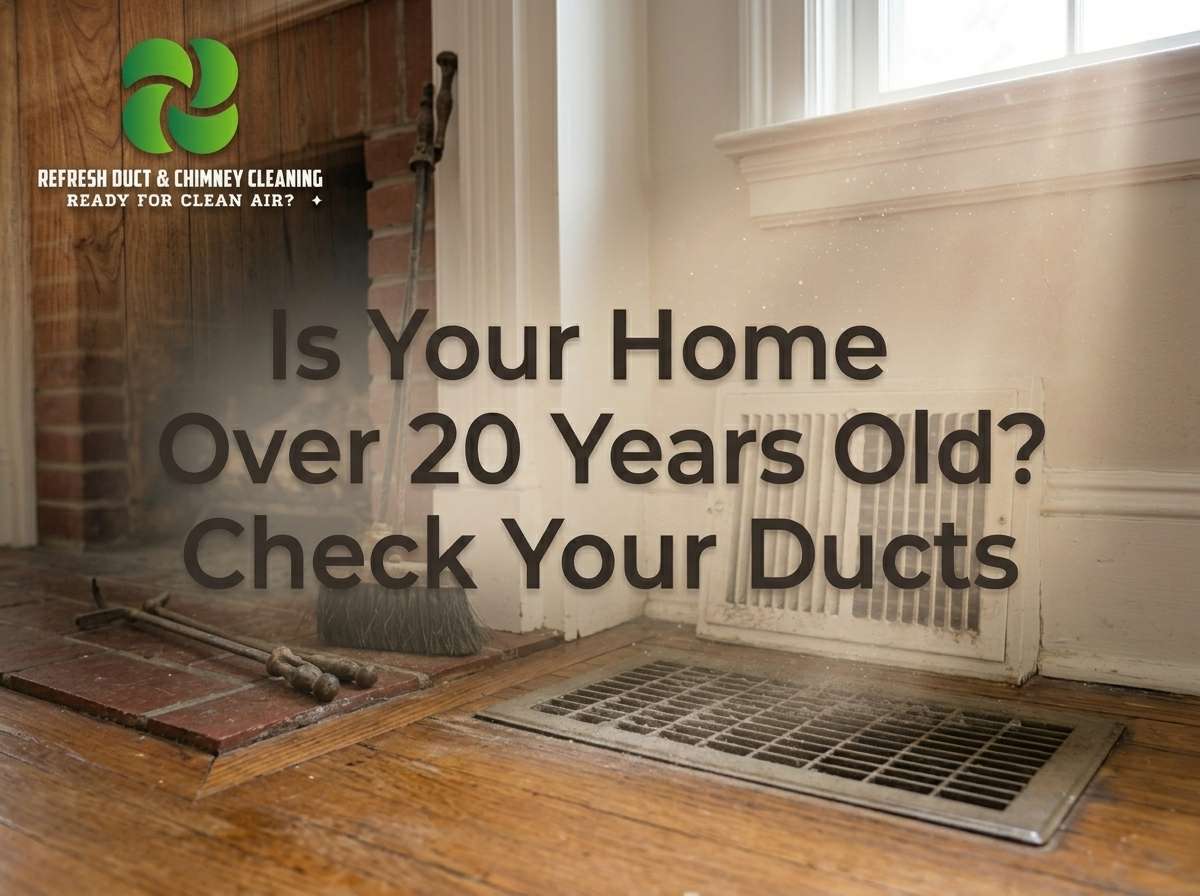
Homes over 20 years old often have aging ductwork that can reduce heating and cooling efficiency. Dust, mold, and debris accumulate over time, affecting indoor air quality and energy costs. Understanding the importance of checking your ducts in older homes helps homeowners maintain a safe and comfortable environment.
Neglected ducts can lead to uneven temperatures, higher energy bills, and potential health risks. Older duct systems may also have leaks or disconnected sections that compromise airflow. Regular inspections ensure optimal HVAC performance, cost savings, and long-term home comfort.
What Are the Risks of Old Ducts?
Older ductwork can harbor dust, mold, and allergens. Over time, deterioration can lead to leaks, reducing HVAC efficiency and raising utility bills.
Aging ducts may also accumulate debris, causing blockages that impact airflow. Left unchecked, this can strain your heating and cooling system and compromise indoor air quality.
Health Hazards
Dust, mold, and bacteria can circulate throughout the home. Residents may experience allergies, respiratory issues, or other health problems.
Energy Inefficiency
Leaky or damaged ducts force HVAC systems to work harder. This increases energy consumption and utility costs.
Structural Concerns
Old ducts may develop holes, rust, or separation at joints. Structural damage reduces system efficiency and can be costly to repair.
How to Identify Problems in Older Ducts
Identifying duct issues requires inspection and observation of airflow patterns. Signs of trouble include uneven heating or cooling, strange odors, or visible dust accumulation.
Professional inspection can detect leaks, mold growth, and other hidden problems. Addressing issues early helps maintain comfort and reduces repair costs.
Key Signs of Problems in Older Ducts:
- Unusual Dust Buildup: If you notice excessive dust settling quickly on furniture even after cleaning, it may indicate dirty or clogged ducts. Older ducts often collect years of debris that continuously circulates through your home.
- IN: Certain rooms receiving less air than others are a common sign of duct leaks or blockages. Aging duct systems may develop gaps or collapsed sections that restrict proper airflow.
- Page: Musty or unpleasant smells coming from vents can signal mold, mildew, or trapped contaminants inside the ducts. Older systems are more prone to moisture buildup, which encourages odor-causing growth.
- Rising Energy Bills: A sudden increase in energy costs without a clear reason can point to inefficient ductwork. Leaks or poor insulation in older ducts force your HVAC system to work harder than necessary.
- All: Cracks, holes, or rust on exposed duct sections are clear indicators of deterioration. Over time, metal ducts can corrode, while flexible ducts may tear or sag.
- Increased Allergy Symptoms: If household members experience more allergies, coughing, or respiratory issues, contaminated ducts may be the cause. Older ducts often harbor allergens like dust mites, pollen, and mold spores.
- Noisy HVAC Operation: Rattling, whistling, or banging sounds when the system runs can suggest loose or damaged ducts. Aging materials may shift or break, creating unusual noises during airflow.
Identifying these warning signs early can help you decide whether cleaning, sealing, or replacing your duct system is necessary, ensuring a healthier and more efficient living environment.
Why Regular Duct Inspection Is Important
Regular inspections help identify problems before they become major issues. Older homes are particularly susceptible to duct deterioration.
Inspections ensure ducts are clean, sealed, and functioning efficiently. Maintaining ductwork improves indoor air quality, system longevity, and energy savings.
Professional vs. DIY Inspection
- Professionals use cameras and airflow meters for thorough inspection.
- DIY inspection may miss hidden leaks or buildup in inaccessible ducts.
- Professional inspections provide documentation for insurance or resale purposes.
Inspection Frequency
- Homes over 20 years old should schedule inspections every 1–2 years.
- High-use or high-occupancy homes may require annual checks.
How Does Duct Cleaning Benefit Older Homes?
Older homes often have HVAC systems that have been in place for decades, making them more vulnerable to dust buildup, debris, and hidden contaminants inside the ductwork. Over time, these pollutants accumulate and restrict airflow, reducing system efficiency and affecting indoor air quality. In many cases, older ducts may also have small leaks or damage that allow dirt, allergens, and even pests to enter the system. Professional duct cleaning helps remove these long-standing pollutants, improving both the performance of the HVAC system and the overall comfort of the home.
Improved Airflow Efficiency
In older homes, ducts can become heavily clogged with dust and debris, making it difficult for air to circulate properly. Cleaning the ductwork restores smooth airflow, allowing the HVAC system to operate more efficiently. This leads to better temperature control and a more comfortable indoor environment.
Enhanced Indoor Air Quality
Years of accumulated contaminants, such as dust, pet dander, and mold spores, can circulate through the air in older homes. Duct cleaning removes these harmful particles, resulting in cleaner and healthier air. This is especially beneficial for individuals with allergies or respiratory issues.
Reduced Energy Costs
When airflow is restricted, the HVAC system has to work harder to heat or cool the home. Clean ducts reduce this strain, allowing the system to run more efficiently and consume less energy. As a result, homeowners often notice lower utility bills after a thorough cleaning.
Elimination of Odors
Older duct systems can trap unpleasant smells from smoke, pets, or mildew over time. These odors can continuously circulate throughout the home whenever the system runs. Duct cleaning helps eliminate these trapped smells, leaving the home feeling fresher.
Detection of Hidden Issues
During the cleaning process, professionals can identify problems such as leaks, cracks, or pest infestations within the ductwork. Early detection allows homeowners to address these issues before they become costly repairs. This added inspection is especially valuable in aging homes where hidden damage is more common.
Is Your Home Over 20 Years Old? Check Your Ducts Comparison Table
| Issue / Situation | Why It’s Common in Homes Over 20 Years | Potential Consequences | Recommended Action |
|---|---|---|---|
| Heavy Dust & Debris Buildup | Decades of accumulation | Poor air quality, frequent dusting | Professional duct cleaning |
| Mold & Bacteria Growth | Moisture combined with old dust | Musty smells, health issues | Deep cleaning + disinfection |
| Leaking or Damaged Ducts | Aging materials and house settling | Energy loss, higher bills | Inspection and sealing |
| Reduced Airflow | Clogged ducts and collapsed sections | Inefficient HVAC performance | Full system evaluation |
| Fiberglass Insulation Deterioration | Old duct lining breaks down | Circulating fibers and irritation | Replacement or cleaning |
| Increased Allergy Symptoms | Long-term allergen storage | Respiratory problems | Immediate duct service |
| Higher Energy Bills | System works harder due to restrictions | Wasted money on utilities | Clean and seal ducts |
| Frequent Filter Clogging | Excessive debris entering filters | Short filter lifespan | Annual duct check |
| Pest Infestations in Ducts | Rodents or insects in older systems | Droppings and allergens | Cleaning + pest control |
| Uneven Heating or Cooling | Blockages in different duct sections | Hot/cold spots in home | Professional balancing |
| Strange Noises from Vents | Debris rattling inside old ducts | Annoying sounds and inefficiency | Inspection and removal |
| Dark Stains Around Registers | Mold or heavy soot buildup | Visible damage and poor IAQ | Thorough cleaning |
| Musty or Stale Odors | Microbial growth over many years | Unpleasant indoor smell | Mold remediation |
| Shortened HVAC Equipment Life | Constant strain from dirty ducts | Expensive premature replacement | Regular maintenance |
| Poor Indoor Air Quality | Years of trapped pollutants | Family health concerns | Comprehensive duct cleaning |
| After Renovations in Old Homes | Construction dust mixes with old debris | Major contamination spike | Post-renovation cleaning |
| Homes with Pets | Pet dander buildup over long periods | Increased allergies | More frequent cleaning |
| High Humidity Areas | Moisture promotes growth in old ducts | Mold and mildew problems | Cleaning + moisture control |
| Pre-Home Sale Preparation | Buyers demand clean air systems | Lower resale value | Deep cleaning before listing |
| Visible Dust from Vents | Long-term accumulation | Constant cleaning frustration | Professional service |
| Older HVAC Systems | Combined aging of ducts and equipment | Frequent breakdowns | Full system inspection |
| Post-Wildfire or Smoke Exposure | Old ducts trap more particles | Lingering smoke smell | Specialized smoke cleaning |
This table highlights the most common duct-related issues in homes over 20 years old. If your home is older, schedule a professional duct inspection and cleaning soon. Proper care of your air ducts improves comfort, health, and efficiency for years to come.
Key Factors Affecting Duct Service Costs
The cost of duct services can vary widely depending on several important factors related to your home, HVAC system, and the condition of the ductwork. Understanding these factors helps homeowners plan their budget and avoid unexpected expenses. While basic cleaning may be affordable, additional issues like contamination, repairs, or system complexity can increase the overall cost. A professional inspection is often the best way to get an accurate estimate based on your specific situation.
Size of the Home and Duct System
Larger homes typically have more extensive duct networks, which require more time and effort to clean or repair. The number of vents, returns, and overall duct length directly impacts labor and service costs. Smaller homes, on the other hand, usually cost less due to simpler systems.
Level of Contamination
If the ductwork contains heavy dust buildup, mold, or pest infestations, the cleaning process becomes more intensive. Severe contamination may require specialized equipment, sanitization treatments, or even partial duct replacement. This can significantly increase the final cost.
Accessibility of Ductwork
Ducts that are easy to reach—such as those in open basements or attics—are quicker and cheaper to service. However, ducts hidden behind walls, ceilings, or tight crawl spaces require more labor and time. Difficult access often leads to higher service charges.
Type of Service Required
Basic duct cleaning is usually less expensive than services that involve repairs, sealing, or full replacements. Additional services like deodorizing, mold treatment, or insulation upgrades can add to the total cost. The more complex the service, the higher the price.
Condition and Age of the System
Older duct systems may have leaks, damage, or outdated materials that require extra attention. In some cases, sections of the ductwork may need to be repaired or replaced before cleaning. This increases both labor and material costs.
Location and Service Provider
Prices can vary depending on your location and the company you hire. Experienced professionals with advanced equipment may charge more but often provide higher-quality results. It’s important to compare quotes and choose a reputable service provider for the best value.
How to Maintain Ducts in Homes Over 20 Years Old
Routine maintenance keeps ducts functional and safe. Filter replacement, inspection, and cleaning should be scheduled regularly.
Proper maintenance ensures even airflow, reduces energy bills, and improves indoor air quality. Older homes benefit significantly from proactive care.
Maintenance Checklist
- Replace HVAC filters every 1–3 months.
- Inspect duct insulation for wear or gaps.
- Seal leaks with mastic or foil tape.
- Clean duct registers and vents to remove dust.
- Schedule professional cleaning and inspection annually.
Additional Tips
- Monitor system performance for uneven temperatures.
- Address minor issues promptly to prevent expensive repairs.
- Consider upgrading ducts during major renovations.
Cost of Duct Cleaning and Repairs
Duct cleaning and repair costs depend on home size, duct type, and service complexity. Older homes may require extensive cleaning or partial replacement.
| Service Type | Average Cost | Frequency |
| Basic Duct Cleaning | $300–$500 | Every 1–2 Years |
| Mold Remediation | $500–$1,200 | As Needed |
| Leak Sealing | $150–$400 | One-Time |
| Full Replacement | $2,500–$5,000 | As Needed |
Investing in duct maintenance reduces energy costs, prevents health risks, and ensures HVAC longevity.
Benefits of Maintaining Older Home Ducts
Maintaining the ductwork in an older home is essential for preserving both comfort and system efficiency. Over time, ducts in aging properties can accumulate dust, develop leaks, or even harbor mold and allergens. Without regular maintenance, these issues can reduce airflow, strain your HVAC system, and negatively impact indoor air quality. Proper upkeep not only extends the life of the system but also ensures a healthier and more comfortable living environment.
Improved System Efficiency
Regular maintenance keeps ducts clean and free from obstructions, allowing air to flow smoothly throughout the home. This reduces the workload on your HVAC system, helping it operate more efficiently. As a result, you get consistent heating and cooling without unnecessary energy waste.
Better Indoor Air Quality
Older ducts often contain years of accumulated dust, allergens, and pollutants. Cleaning and maintaining them helps prevent these particles from circulating in your home. This leads to fresher, cleaner air that is especially beneficial for those with allergies or respiratory concerns.
Lower Energy Bills
When ducts are well-maintained, your HVAC system doesn’t have to work as hard to maintain the desired temperature. This improved efficiency translates into lower energy consumption. Over time, homeowners can see noticeable savings on their utility bills.
Extended HVAC Lifespan
A system that isn’t overworked tends to last longer. By maintaining your ductwork, you reduce strain on key HVAC components such as fans and compressors. This helps prevent premature wear and costly replacements.
Reduced Risk of Repairs
Routine inspections can identify small issues like leaks, loose connections, or minor damage before they become major problems. Addressing these early helps avoid expensive repairs in the future. Preventative maintenance is always more cost-effective than emergency fixes.
Enhanced Home Comfort
Well-maintained ducts ensure even airflow throughout the home, eliminating hot and cold spots. This creates a more balanced and comfortable indoor environment. Consistent temperatures make daily living more enjoyable, especially in older homes with unique layouts.
Conclusion
For homes over 20 years old, checking your ducts is critical to maintain efficiency, safety, and comfort. Aging ductwork can accumulate dust, mold, and debris, which compromise air quality and HVAC performance. Regular inspection, cleaning, and repairs prevent costly problems and improve home safety.
Proactive maintenance ensures even heating and cooling, reduces energy bills, and prolongs system lifespan. Documenting services and improvements also benefits insurance coverage and enhances property value.
Frequently Asked Questions
- How often should ducts be cleaned in older homes?
Homes over 20 years old should have ducts cleaned every 1–2 years. High-use or allergen-sensitive households may need annual service. - What are the signs that ducts need maintenance?
Visible dust, uneven airflow, higher energy bills, or musty odors indicate problems. Professional inspection confirms the cause. - Can duct leaks increase my energy bills?
Yes, leaks allow conditioned air to escape, forcing HVAC systems to work harder. Sealing leaks restores efficiency. - Does duct cleaning improve indoor air quality?
Yes, removing dust, mold, and allergens reduces respiratory risks. It also keeps the home more comfortable. - Are professional inspections necessary for older homes?
Yes, professionals can detect hidden damage or blockages that DIY methods may miss. Inspections prevent costly repairs. - What factors affect duct cleaning cost?
Home size, duct condition, accessibility, and presence of mold or leaks influence costs. Older homes often require more extensive services. - Can ducts be replaced instead of cleaned?
Yes, damaged or severely corroded ducts may need partial or full replacement. This ensures efficiency and safety. - Do duct improvements impact energy efficiency?
Yes, clean, sealed ducts reduce energy consumption. Proper airflow ensures HVAC systems run optimally.