Even in mild climates like Los Angeles, winter can bring heavy rains, strong winds, and occasional cold snaps that can cause damage to homes unprepared for seasonal changes. Many homeowners underestimate the importance of winter preparation, assuming that warmer winters eliminate the need for proactive maintenance. However, preparing your LA home for winter ensures safety, comfort, and efficiency while preventing costly repairs.
Winter preparation is more than just checking your heating system—it includes roof maintenance, plumbing, insulation, landscaping, and emergency readiness. With a comprehensive plan, homeowners can avoid water damage, energy loss, and potential hazards caused by storms or cold weather. This guide provides a step-by-step checklist for LA residents to ensure their homes are fully winter-ready.
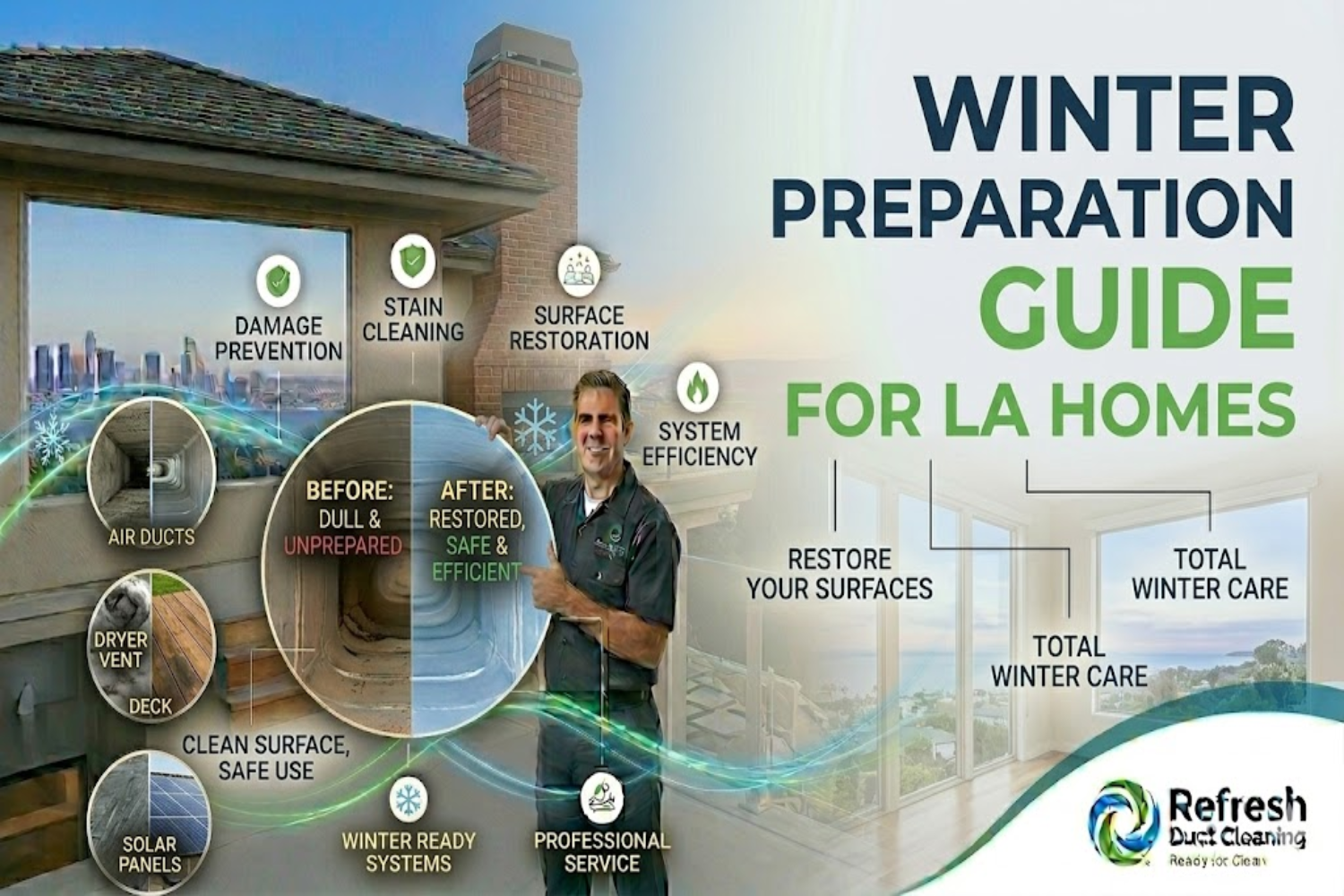
Understanding Winter Weather in Los Angeles
Los Angeles experiences a Mediterranean climate, characterized by mild, wet winters and hot, dry summers. While freezing temperatures are rare, seasonal rains and cooler nights can still impact structural integrity and indoor comfort. Homeowners must understand these unique conditions to prepare effectively.
Rainfall is the most significant factor during LA winters, often leading to drainage issues, roof leaks, and soil erosion. Additionally, temperature fluctuations between day and night can affect materials like wood and concrete, causing expansion and contraction. These subtle shifts can create cracks or weaken structural components over time.
Assess Your Home for Winter Risks
Proper winter preparation starts with a thorough assessment of your home. Walk around your property and inspect for potential vulnerabilities, including cracks in walls, loose roof tiles, or areas where water may pool during rainfall. Early identification of weak spots allows you to take corrective action before winter conditions worsen them.
In Los Angeles, heavy rain during winter can reveal hidden damage that may not have been noticeable during drier months. Check the foundation, exterior walls, and drainage systems for signs of wear or potential water intrusion. A comprehensive assessment ensures that you address both visible and hidden risks, protecting your home from seasonal damage.
Heating System Maintenance
Even in a warmer climate like LA, cold winter nights require an efficient heating system. Proper maintenance of your furnace or HVAC system ensures your home stays warm while minimizing energy costs.
Furnace Inspection
Schedule a professional inspection for your furnace or heating system before winter begins. Check for unusual noises, leaks, or malfunctions, and replace air filters for better airflow. A properly maintained furnace improves indoor comfort and reduces the risk of costly breakdowns during peak usage.
HVAC Cleaning
Cleaning ducts and vents removes dust, allergens, and debris that can affect indoor air quality. In addition, clean HVAC systems work more efficiently, reducing energy consumption and prolonging the life of your equipment. Consider scheduling professional duct cleaning if it hasn’t been done in the last two years.
Plumbing Protection
Winter weather can put your plumbing at risk, even in mild climates like Los Angeles. Preventive measures help avoid frozen pipes, water leaks, and costly damage.
Pipe Insulation
Insulate exposed pipes in garages, crawl spaces, or attics to protect against cold nights. Foam insulation sleeves or heat tape are effective solutions for keeping water flowing and preventing pipe bursts.
Drainage and Gutter Maintenance
Clogged gutters can cause water to overflow and damage your foundation or roof. Clean debris, leaves, and dirt from gutters and downspouts to ensure proper drainage during winter storms. Installing gutter guards can help reduce maintenance efforts in future seasons.
Water Heater Check
Inspect your water heater for leaks and sediment buildup. Flush the tank if necessary to improve efficiency and prevent potential failure during the winter months.
Roof and Exterior Preparation
Your roof and exterior walls are your home’s first line of defense against winter weather. Inspecting and repairing these areas is critical to prevent leaks, structural damage, and energy loss.
Roof Inspection
Look for missing, cracked, or loose shingles, and repair minor damage before winter rains begin. Check flashing around chimneys and vents to prevent leaks. Regular roof maintenance ensures that your home remains watertight and protects interior spaces from damage.
Exterior Walls and Windows
Seal cracks in exterior walls and caulk around windows to prevent drafts. Weather stripping on doors and windows improves insulation, reducing heating costs and keeping your home comfortable. Inspect stucco or siding for damage that could allow water penetration.
Chimney and Fireplace Check
If your LA home has a fireplace, inspect the chimney for cracks, creosote buildup, or blockages. Ensure the damper opens and closes properly, and consider a professional cleaning if necessary. A well-maintained fireplace prevents fire hazards and improves heating efficiency.
Why Winter Preparation Is Essential
Preparing your home for winter helps protect it from cold weather damage, improves energy efficiency, and ensures the safety and comfort of your family. Even in milder climates, dropping temperatures, rain, and wind can cause issues like frozen pipes, roof leaks, and HVAC strain. Taking proactive steps before winter arrives prevents costly repairs, reduces energy bills, and gives you peace of mind. A good winter preparation plan covers the exterior, interior, heating systems, and emergency readiness.
Exterior Home Protection
Start by inspecting and maintaining the outside of your home. Clean gutters and downspouts to prevent water overflow, trim overhanging tree branches, and check the roof for damaged shingles. Seal cracks around windows and doors to stop drafts, and inspect siding for any gaps. Pressure washing the exterior removes dirt and mold that can worsen during wet weather. These steps protect your home’s structure and prevent water damage during winter storms.
HVAC and Indoor Readiness
Your heating system needs special attention before temperatures drop. Schedule a professional HVAC tune-up, replace air filters, and clean air ducts to ensure efficient operation. Test smoke and carbon monoxide detectors, and prepare fireplaces by having the chimney inspected.
Insulate exposed pipes, seal duct leaks, and use programmable thermostats to maintain comfortable temperatures while saving energy. These measures keep your home warm and lower the risk of system breakdowns during cold snaps.
Emergency and Safety Planning
Winter weather can bring unexpected challenges, so it’s important to prepare an emergency kit and plan. Stock up on flashlights, batteries, non-perishable food, and warm blankets. Know how to shut off water and gas lines in case of emergencies.
Create a family safety plan and keep important documents safe. Preparing your car and driveway for possible ice or heavy rain is also wise. These preparations help your family stay safe and comfortable if severe weather occurs.
Long-Term Winter Maintenance Tips
Consistent maintenance throughout the season prevents small issues from becoming major problems. Monitor your energy bills for unusual spikes, keep vents clear of furniture, and maintain proper humidity levels indoors.
Regularly check for leaks or drafts and address them quickly. By following a comprehensive winter preparation guide, you can protect your property, reduce expenses, and enjoy a cozy, safe home all season long.
Winter Home Preparation Checklist
| Task / Area | What to Do | Why It Matters | Recommended Timing | Additional Tips |
|---|---|---|---|---|
| HVAC System Tune-Up | Professional inspection and cleaning | Ensures efficient heating and prevents breakdowns | Early to mid fall | Replace filters monthly during winter |
| Air Duct Cleaning | Remove dust, allergens, and debris | Improves air quality and system efficiency | Before winter starts | Especially important for homes with pets |
| Chimney & Fireplace Inspection | Check for creosote and damage | Prevents chimney fires and carbon monoxide leaks | Before first use | Burn seasoned wood only |
| Gutter Cleaning | Remove leaves and debris | Prevents water overflow and ice dams | Late fall | Install gutter guards for easier maintenance |
| Roof Inspection | Look for damaged shingles or leaks | Avoids water damage and costly repairs | Before rainy season | Trim tree branches away from roof |
| Window & Door Sealing | Apply weatherstripping and caulk | Reduces drafts and heat loss | Fall | Use heavy curtains for extra insulation |
| Pipe Insulation | Insulate exposed pipes | Prevents freezing and bursting | Before temperatures drop | Keep garage doors closed |
| Exterior Cleaning | Pressure wash siding, decks, and walkways | Removes mold and prevents winter damage | Fall | Focus on north-facing sides |
| Smoke & CO Detector Testing | Check batteries and functionality | Protects family from fire and gas hazards | Monthly | Replace units older than 10 years |
| Emergency Kit Preparation | Stock food, water, blankets, flashlight | Ensures safety during power outages | Before winter | Include medications and important documents |
| Attic Insulation Check | Add insulation if needed | Maintains heat and reduces energy bills | Fall | Seal any air leaks in attic |
| Downspout & Drainage | Ensure proper water flow away from foundation | Prevents foundation damage and flooding | Before rains | Extend downspouts if necessary |
| Programmable Thermostat | Install and program efficiently | Saves energy while maintaining comfort | Before cold weather | Set lower temperatures when away |
| Tree & Branch Trimming | Remove dead or overhanging branches | Prevents storm damage to roof and power lines | Late fall | Hire professionals for large trees |
| Garage & Outdoor Items | Prepare vehicles and store summer equipment | Protects cars and outdoor belongings | Early winter | Use tire chains if needed in colder regions |
| Interior Humidity Control | Use humidifiers or dehumidifiers | Prevents dry air and mold growth | Throughout winter | Keep humidity between 30-50% |
| Energy Bill Monitoring | Track usage and look for spikes | Identifies efficiency problems early | Ongoing | Seal all air leaks promptly |
This winter preparation guide helps homeowners get ready for the colder months. Taking these steps will protect your home, improve comfort, and save money throughout the season.
Insulation and Energy Efficiency
Proper insulation and energy-saving measures keep your home warm and reduce utility bills during winter.
Attic and Wall Insulation
Inspect attic insulation for gaps, compressed areas, or missing sections. Proper insulation in walls and attics prevents heat loss, keeps indoor temperatures consistent, and reduces strain on your heating system.
Window Treatments
Install thermal curtains or insulated blinds to minimize heat loss through windows. Small changes, like sealing gaps and adding weather stripping, can significantly improve energy efficiency.
Energy-Efficient Upgrades
Consider upgrading to energy-efficient appliances, programmable thermostats, or LED lighting. Even in mild LA winters, these upgrades can reduce energy bills while improving comfort.
Landscaping and Yard Preparation
Winter preparation isn’t limited to the interior of your home. Your yard, trees, and outdoor structures can impact home safety and maintenance during winter.
Tree and Shrub Maintenance
Trim overhanging or dead branches to prevent storm damage. Remove weak or diseased trees near your home, as heavy rain and wind can cause them to fall.
Lawn and Garden Care
Protect sensitive plants with mulch or coverings, and drain hoses and irrigation systems to prevent freezing. Cleaning debris from your yard reduces the risk of water pooling and foundation damage.
Outdoor Structures
Inspect fences, patios, decks, and sheds for damage. Repairing minor issues before winter ensures that heavy rains or wind do not cause further deterioration.
Safety and Emergency Preparedness
Winter preparation also includes being ready for emergencies. Even in LA, storms or power outages can disrupt daily life, so having a plan is crucial.
Emergency Kit Essentials
Prepare a kit with flashlights, batteries, blankets, non-perishable food, water, and a first-aid kit. Include essential medications and tools for quick repairs, such as a wrench or pliers.
Backup Power
Consider installing a backup generator or battery system to maintain essential power during outages. Test your equipment beforehand to ensure it functions properly when needed.
Fire Safety
Check smoke detectors and carbon monoxide detectors before winter. Replace batteries and test alarms to ensure they are operational, especially if you rely on fireplaces or portable heaters
Water Damage Prevention
Winter storms can lead to unexpected water damage if your home isn’t properly prepared.
Foundation and Basement Checks
Inspect your foundation for cracks or leaks and seal any vulnerable areas. Ensure that basement walls are waterproofed to prevent flooding during heavy rains.
Roof and Gutter Protection
Properly functioning gutters direct rainwater away from your home. Install downspout extensions or drainage solutions to prevent water from pooling near the foundation.
Moisture Control Indoors
Use dehumidifiers or ventilation fans to reduce indoor moisture levels. Prevent mold and mildew growth by keeping indoor humidity between 30% and 50%.
Why Winter Preparation Matters for LA Homes?
- Winter preparation in Los Angeles is often underestimated because the weather is generally mild compared to colder regions.
- However, temperature drops, rainstorms, and humidity can still cause damage to homes that are not properly maintained.
- Preparing your home helps reduce risks such as water leaks, mold growth, and energy loss.
- Additionally, proper preparation can significantly lower utility costs.
- Heating systems that are not maintained consume more energy, and poorly insulated homes lose heat quickly.
- By taking preventive measures, homeowners can save money while maintaining a comfortable indoor environment.
Essential HVAC System Maintenance for Winter
Your HVAC system plays a crucial role in keeping your home comfortable during winter. Regular maintenance ensures efficiency, extends system lifespan, and improves air quality.
Proper servicing includes cleaning filters, checking ducts, and inspecting heating components. A well-maintained HVAC system uses less energy and provides consistent heating throughout your home.
Importance of Heating System Inspection
- Routine inspection helps detect problems before they become major issues.
- Technicians can identify worn-out parts, clogged filters, and inefficiencies that affect performance.
- Early detection ensures uninterrupted heating during colder days.
Air Filter Replacement and Cleaning
Dirty air filters restrict airflow and reduce system efficiency. Replacing or cleaning filters regularly improves air quality and allows the system to function properly. Clean filters also help reduce allergens in the home.
Thermostat Calibration and Efficiency
A properly calibrated thermostat ensures accurate temperature control. Smart thermostats can help automate heating schedules, saving energy and reducing utility bills. Proper calibration prevents overheating and energy waste.
Conclusion
Winter preparation is essential for LA homeowners to ensure safety, comfort, and long-term maintenance. From heating and plumbing to roofing, insulation, landscaping, and emergency readiness, a proactive approach prevents costly repairs and protects your home from seasonal hazards. Following a detailed checklist allows you to address risks before they escalate.
By inspecting your home, performing maintenance, and implementing energy-efficient measures, you can enjoy a safe and cozy winter. Regular preparation ensures that your home remains structurally sound, energy-efficient, and comfortable, giving you peace of mind throughout the season.
FAQs
1. How early should I start preparing my home for winter in LA?
Begin preparation in late fall to address maintenance tasks before the coldest months arrive. Early preparation ensures repairs can be made before storms.
2. Do I need to insulate pipes in Los Angeles?
Yes, exposed pipes can still freeze during sudden cold snaps. Insulation or heat tape prevents damage and costly repairs.
3. How often should I clean my gutters?
Clean gutters at least once a year, ideally in late fall, to prevent water overflow and foundation issues.
4. Should I have my HVAC system checked annually?
Yes, an annual inspection ensures efficiency and reduces the risk of breakdowns during winter.
5. Is chimney maintenance necessary in LA?
Yes, even mild winters can increase fire risks in fireplaces. Cleaning and inspection prevent creosote buildup and blockages.
6. How can I improve home energy efficiency for winter?
Seal gaps around windows and doors, add insulation, and use programmable thermostats. These steps minimize heat loss and reduce energy costs.
7. Should I trim trees before winter in LA?
Yes, trimming weak or overhanging branches reduces the risk of damage from rain and wind.
8. What should be included in a winter emergency kit?
Include flashlights, batteries, blankets, non-perishable food, water, first-aid supplies, and essential medications. A kit ensures safety during outages or emergencies.