A blocked chimney is a hidden danger in many homes, often unnoticed until smoke begins to enter the living space. When airflow is restricted, hazardous gases such as carbon monoxide can accumulate, posing serious health risks. Recognizing the early signs of a blockage can prevent costly repairs and ensure your fireplace operates safely.
Chimney blockages commonly result from creosote buildup, debris, or animal nests obstructing the flue. Ignoring these issues can lead to structural damage and reduced fireplace efficiency. Regular inspections and maintenance are essential to protect both your home and family from potential hazards.
What Does It Mean When a Chimney is Blocked?
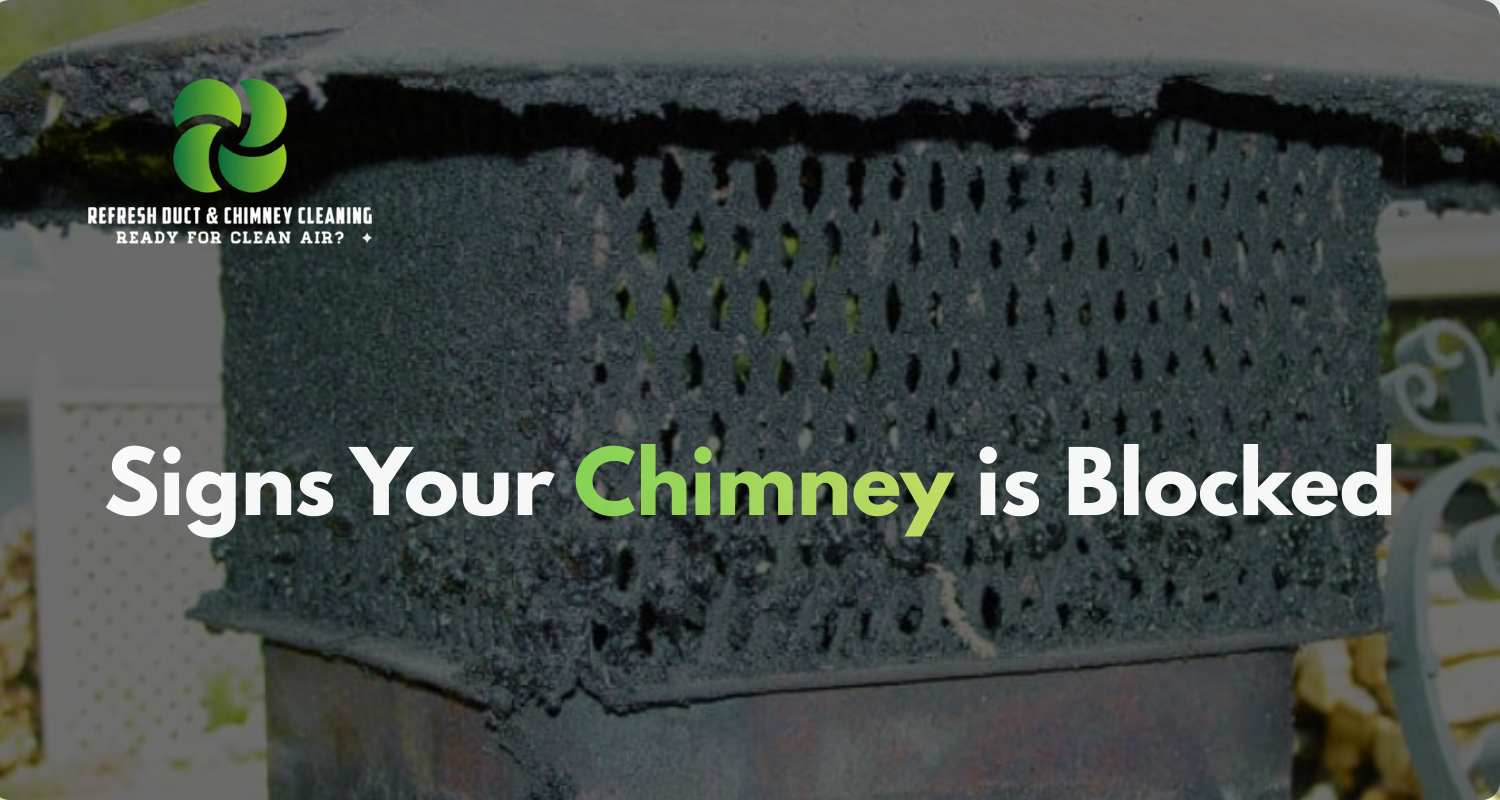
A blocked chimney refers to any obstruction that prevents smoke, gases, and airflow from moving freely through the flue. This blockage can be partial or complete and may result from debris, animal nests, soot buildup, or structural damage.
A properly functioning chimney relies on smooth airflow to safely vent smoke and harmful gases. When airflow is restricted, smoke may back up into your home, causing discomfort and potential health risks. Over time, even minor obstructions can lead to major complications, making early detection critical.
Weak Smoke Draft
A noticeable decrease in the smoke draft is one of the first indicators of a blocked chimney. When smoke fails to rise up the flue properly, it can spill into your home and create unpleasant odors. This often results from debris such as leaves, sticks, or excessive soot narrowing the chimney’s pathway.
Rustling or Scratching Noises
Unusual rustling sounds may indicate that animals such as birds or squirrels have built nests inside the chimney. These nests can block airflow and increase the risk of fire. Hearing these noises early allows homeowners to act before the blockage worsens.
Popping or Crackling Sounds
Popping noises can occur when trapped debris or moisture interacts with heat from the fire. These sounds are a clear sign that the chimney is not venting properly. Addressing the issue promptly prevents further damage.
Whistling or Hissing
Partial blockages may cause air to whistle or hiss through narrow spaces in the flue. This can reduce heating efficiency and create uncomfortable drafts. Early detection is key to restoring normal airflow.
Unpleasant Odors
When a chimney is blocked, unusual odors often develop in the home. These smells can range from persistent smoke to musty or chemical-like odors. They usually indicate that the chimney is not venting properly, and toxic gases may be lingering indoors.
Smoke Smell Inside Home
Lingering smoke odors suggest that the fireplace is not venting efficiently. Creosote accumulation or physical obstructions are common causes. Immediate inspection can prevent health hazards.
Musty or Moldy Smells
Moisture trapped by a blockage may lead to musty odors. This is often accompanied by mold growth around the fireplace area. Proper ventilation and cleaning are essential to avoid indoor air quality problems.
Chemical-Like Odors
Chemical or burnt smells can indicate incomplete combustion due to restricted airflow. Exposure to these fumes can be hazardous if not addressed. Identifying the source ensures safety for residents.
Smoke Entering the Home
Smoke backing up into your living space is a definitive sign of a blocked chimney. It not only causes discomfort but also exposes inhabitants to harmful gases. Debris, nests, or heavy soot buildup often obstruct the flue, preventing proper smoke venting.
Visible Smoke During Fires
If smoke lingers or escapes from the fireplace, airflow is compromised. This can lead to soot deposits on furniture and walls. Quick intervention prevents further damage and reduces fire risk.
Health Risks of Smoke
- Continuous smoke exposure may irritate the respiratory system.
- Children, elderly individuals, and people with asthma are particularly vulnerable.
- Ensuring a clear chimney protects your family’s health.
Reduced Heating Efficiency
- Blocked chimneys prevent fireplaces from heating effectively.
- Homeowners may notice longer times to reach desired warmth.
- Regular cleaning restores proper draft and energy efficiency.
Soot and Creosote Buildup
Excessive soot or creosote lining the flue is a major fire hazard. These substances accumulate over time, narrowing the chimney and increasing the likelihood of chimney fires. Even a partial blockage can have serious consequences.
Visual Signs of Soot
Black, flaky deposits on fireplace walls or around the flue indicate creosote buildup. These signs should never be ignored. Removing these deposits regularly reduces fire risk.
Health Implications
Creosote contains harmful chemicals that can affect indoor air quality. Breathing in these particles may cause respiratory irritation. Professional cleaning minimizes these hazards.
Fire Hazard Risk
Creosote is highly flammable, especially after repeated use during cold seasons. Ignoring buildup can lead to chimney fires. Scheduled sweeps are critical for safety.
Signs Your Chimney is Blocked
This guide outlines the key warning signs of a blocked chimney and explains the importance of prompt action to ensure safety and proper fireplace function.
Signs Your Chimney is Blocked Comparison Table
| Sign / Symptom | Possible Cause | Associated Risks | Recommended Action |
|---|---|---|---|
| Smoke Entering the Room | Blockage or poor draft | Carbon monoxide poisoning, fire hazard | Immediate professional inspection |
| Weak or No Draft | Debris, nests, or creosote buildup | Incomplete combustion, smoke backup | Chimney sweep and cleaning |
| Soot Falling into Firebox | Internal obstructions | Messy operation, potential fire risk | Full flue cleaning |
| Musty or Strong Smoky Odors | Trapped creosote or animal nests | Health irritation, hidden blockages | Inspection + cleaning |
| Whistling or Unusual Noises | Airflow restriction | Structural stress, poor venting | Professional evaluation |
| Black Stains Around Chimney | Smoke leakage | Wall damage, ongoing safety issues | Seal and clean |
| Animals or Birds Near Chimney Top | Nesting materials inside | Fire hazard from debris | Nest removal and cap installation |
| Difficulty Starting or Keeping Fire | Restricted oxygen supply | Frustration and increased smoke | Clear blockage promptly |
| Excessive Creosote Buildup | Poor airflow and burning | Chimney fire risk | Annual professional sweeping |
| Water Leaks or Dampness in Fireplace | Blocked cap allowing moisture | Corrosion and mold growth | Repair cap and clean |
| Carbon Monoxide Detector Activation | Backdraft of gases | Life-threatening poisoning | Urgent inspection |
| Reduced Heat Output | Blockage affecting draft | Inefficient heating | Cleaning and maintenance |
| Visible Debris at Chimney Base | Falling obstructions | Fire hazard and appliance damage | Immediate removal and check |
| Strong Backdraft When Opening Door | Pressure from blockage | Smoke and gas exposure | Professional service |
| Chimney Cap Missing or Damaged | Debris entry point | Repeated blockages | Replace cap |
| Older Chimney (Over 15 Years) | Accumulated wear and debris | Multiple hidden issues | Full camera inspection |
| After Storm or High Winds | Dislodged debris | Sudden blockages | Post-storm check |
| Heavy Fireplace Use Period | Rapid creosote accumulation | Increased fire risk | Clean before and after season |
| Strange Smells When Not in Use | Decaying nests or mold | Health concerns | Thorough cleaning |
| Failed Fireplace Inspection | Code violations due to blockages | Legal and safety issues | Correct immediately |
This table covers the most common signs of a blocked chimney along with risks and actions to take. Always consult a qualified chimney professional (CSIA-certified) for safe inspection and cleaning services.
Water or Moisture Issues
Water entering a blocked chimney can cause structural damage and worsen the blockage. Moisture trapped behind debris accelerates creosote formation and may encourage mold growth. Identifying leaks early prevents long-term damage.
Water Stains Around Fireplace
Visible water stains or damp patches indicate trapped moisture. This often coincides with poor chimney ventilation. Corrective maintenance prevents further deterioration.
Mold and Mildew
Blocked chimneys may retain moisture, creating an environment for mold growth. Mold spores compromise indoor air quality. Cleaning and proper ventilation are essential to mitigate these risks.
Structural Damage
Persistent water infiltration can weaken chimney bricks or mortar. This may restrict airflow and create additional blockages. Timely repair preserves chimney integrity.
Difficulty Starting a Fire
Fireplaces with blocked chimneys often struggle to ignite or burn evenly. Poor airflow reduces oxygen supply, causing inefficient combustion. Recognizing this sign helps prevent smoke problems and potential gas buildup.
Inconsistent Flames
A weak or uneven fire indicates restricted airflow. Homeowners may notice smoke or unpleasant odors when attempting to start the fire. Proper cleaning restores normal operation.
Increased Smoke
Difficulty maintaining a fire usually results in more smoke inside the home. This can leave stains and odors. Clearing the flue ensures better draft and cleaner burning.
Safety Concerns
Blocked chimneys increase the risk of fire hazards. Ensuring unobstructed airflow protects both the fireplace and the home. Regular inspections are the safest preventative measure.
Animal or Debris Blockages
Chimneys are often blocked by animal nests, leaves, or other debris. Birds, squirrels, and raccoons frequently make chimneys their home, obstructing smoke and airflow. This can escalate into dangerous conditions if ignored.
Bird Nests
Birds often build nests inside chimneys during spring or fall. These nests block smoke and can catch fire if not removed. Professional inspection ensures safe removal.
Squirrel or Rodent Activity
Squirrels and other rodents may enter chimneys to nest or store food. Their activity often goes unnoticed until signs like rustling noises appear. Early intervention prevents airflow obstruction.
Fallen Debris
Leaves, sticks, and dirt may enter chimneys during storms. This natural debris can restrict airflow over time. Installing chimney caps reduces this risk.
Physical or Structural Damage
Cracked bricks, missing mortar, or damaged liners can contribute to partial blockages. These structural issues may trap debris or reduce proper airflow, causing smoke to enter the home. Addressing these problems maintains efficiency and safety.
Cracked or Broken Flue
A damaged flue may trap smoke and block airflow. Repairs are essential to prevent worsening conditions. Professional evaluation ensures the chimney functions safely.
Damaged Chimney Liner
Burn marks or discoloration in the liner indicate overheating due to restricted airflow. Ignoring this may increase fire risk. Replacing or repairing liners restores safety.
Loose Bricks or Mortar
Loose masonry can obstruct airflow and reduce chimney efficiency. Regular inspection ensures these issues are corrected promptly. Maintaining structural integrity prevents blockages.
Chimney Cap Issues
A missing or damaged chimney cap makes the flue more prone to blockages. Caps prevent rain, debris, and animals from entering the chimney. Without proper coverage, blockages are more frequent and severe.
Protective Function of Caps
Chimney caps shield the flue from external elements. This simple accessory greatly reduces the chance of blockages. Regular inspection ensures it remains functional.
Reducing Animal Entry
Caps also prevent wildlife from entering the chimney. Birds and small mammals are less likely to nest when a cap is in place. Maintaining caps keeps airflow clear and reduces hazards.
Preventing Debris Buildup
Debris such as leaves and twigs is stopped by a well-maintained cap. This minimizes creosote accumulation and maintains proper airflow. Caps are an inexpensive, preventive solution.
How a Blocked Chimney Affects Indoor Air Quality?
A blocked chimney significantly impacts the air you breathe indoors. When smoke and gases cannot escape, they linger inside your home, introducing harmful pollutants. Carbon monoxide, in particular, is odorless and extremely dangerous, making proper ventilation essential.
Poor air quality can lead to respiratory problems, headaches, and fatigue. Over time, prolonged exposure may worsen existing health conditions. Ensuring your chimney is clear is not just about efficiency—it’s about maintaining a safe and healthy living environment.
Conclusion
Recognizing the signs that your chimney is blocked is essential to maintaining a safe and efficient fireplace. From reduced smoke draft to unusual odors and water damage, each indicator warrants immediate attention. Regular inspections and professional cleaning help prevent hazardous blockages. Taking these precautions ensures your home remains comfortable, warm, and safe throughout the year.
Ignoring early warning signs can result in chimney fires, structural damage, and poor indoor air quality. By addressing issues promptly, homeowners protect both their property and family. Proper maintenance, including chimney caps and annual sweeps, ensures long-lasting, safe performance. Staying vigilant and proactive is the key to avoiding serious problems.
FAQs
1. How do I know if my chimney is partially blocked?
Partial blockages often cause smoke to enter the room slowly and produce unusual odors. Weak airflow or rustling noises are additional indicators.
2. Can seasonal changes affect blockages?
Yes, strong winds and heavy rainfall can introduce debris into the chimney. Regular seasonal inspections help maintain safety.
3. Are chimney caps essential for all homes?
Absolutely, caps prevent debris, rain, and animals from entering the flue. They are a simple and effective preventive measure.
4. What animals commonly cause blockages?
Birds, squirrels, and raccoons are the most frequent culprits. Their nests and debris can obstruct airflow and increase fire risks.
5. Can creosote buildup be hazardous?
Yes, creosote is highly flammable and can ignite inside the chimney. Professional cleaning prevents dangerous fires.
6. How often should I clean my chimney?
At least once a year, preferably before winter. Homes with frequent fireplace use may require multiple cleanings annually.
7. Can I use chemical cleaners for a blocked chimney?
Chemical cleaners may remove minor creosote but are not effective for debris or animal nests. Professional cleaning is safer and more thorough.
8. Is smoke entering the home always due to blockages?
Not always; poor draft design or negative air pressure can also cause smoke backup. An inspection determines the exact cause.