Chimneys are an essential feature of many homes, especially those with wood-burning fireplaces. However, in Southern California, chimney fires pose a significant risk due to dry weather, strong winds, and older building structures. Awareness of these risks and regular maintenance are crucial for keeping your home safe.
While chimney fires may seem rare, they can escalate quickly and cause extensive damage. Ignoring warning signs, skipping inspections, or using improper fuel increases the likelihood of a dangerous fire. By understanding risks and preventive measures, homeowners can ensure their chimneys are safe and functional year-round.
Understanding Chimney Fires and Their Impact
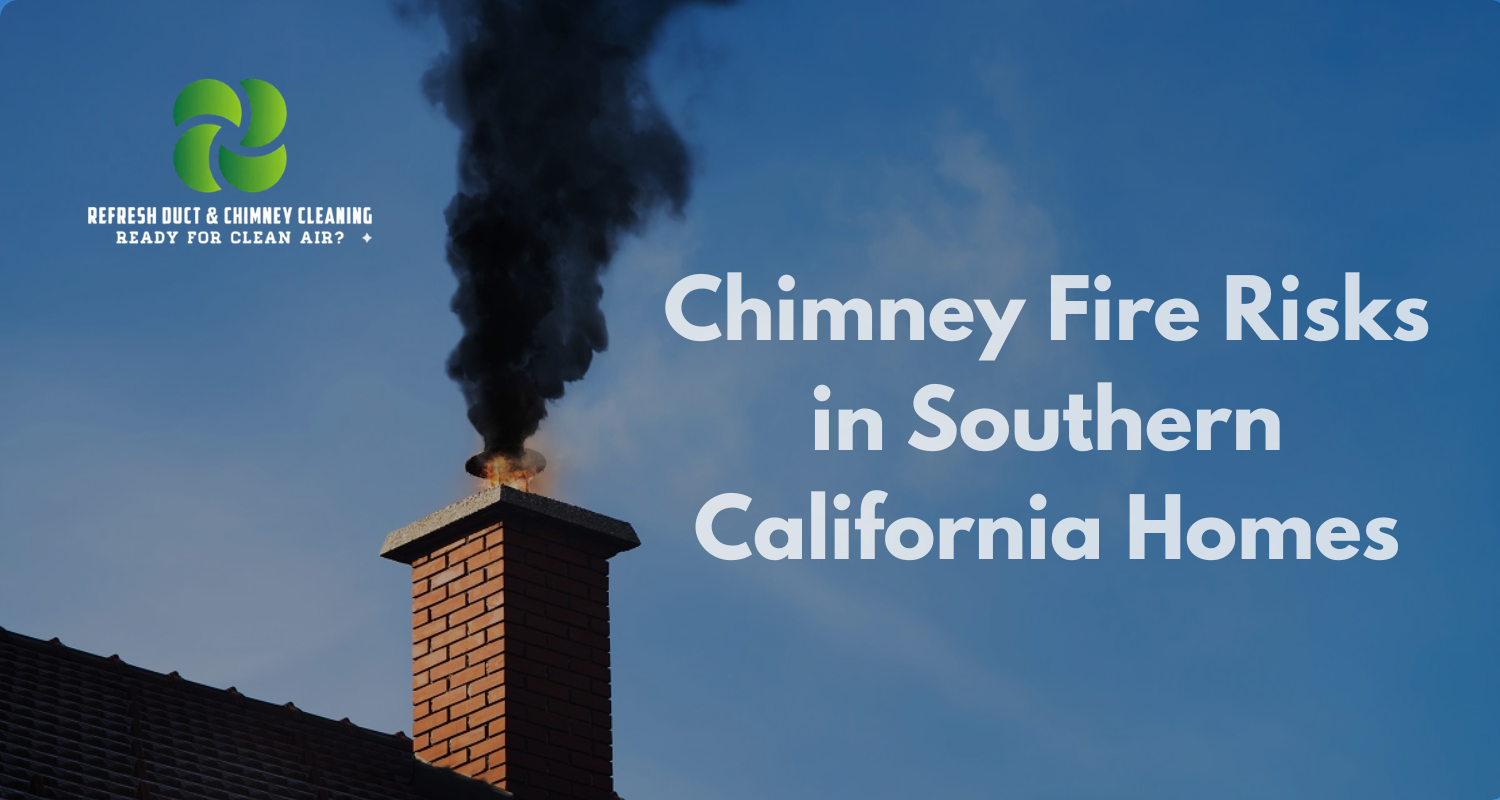
Chimney fires occur when flammable deposits inside the chimney, primarily creosote, ignite due to high temperatures. These fires can burn explosively or smolder slowly, both of which can damage the chimney structure and surrounding areas. In Southern California, dry weather conditions and occasional heavy winds can exacerbate these risks, making chimney safety even more critical.
Beyond structural damage, chimney fires can significantly impact indoor air quality and overall home safety. Toxic gases and smoke can seep into living spaces, posing health hazards for occupants. Additionally, repeated small chimney fires may go unnoticed but still weaken the chimney liner, increasing the likelihood of a catastrophic event in the future.
Why Chimney Fires Are a Serious Concern
Chimney fires are particularly dangerous in Southern California because of the unique environmental and housing conditions. Homes often sit close together, and the dry climate allows sparks to ignite quickly. Additionally, many older homes have outdated or deteriorating chimneys that increase the risk.
These fires can spread rapidly if embers escape into the attic or surrounding structures. Beyond property damage, chimney fires endanger families and neighboring homes. Proactive measures, such as inspections and proper fireplace use, are essential to prevent catastrophic incidents.
Environmental Factors
Southern California is known for its long dry spells, low humidity, and occasional Santa Ana winds. These conditions can turn even a small spark from a chimney into a larger fire hazard. Homeowners living near brush, trees, or dry landscaping need to be particularly cautious.
High temperatures and strong winds can exacerbate chimney fire risks by carrying embers to surrounding areas. Regular monitoring and cleaning, combined with spark guards, can significantly reduce these dangers.
Age and Construction of Homes
Older homes often have masonry chimneys or flues that are more prone to cracks or deterioration. Aging chimneys may not vent smoke efficiently, leading to heat buildup inside the flue.
Modern homes with improperly installed or rarely used fireplaces also face risks. Homeowners should understand their chimney type and have it inspected regularly to prevent potential fire hazards.
Common Causes of Chimney Fires
Understanding what triggers chimney fires is key to prevention. Several factors contribute, many of which can be managed with proper maintenance.
Creosote Buildup
Creosote is a dark, flammable substance that forms when wood burns incompletely. Over time, it accumulates on the interior walls of your chimney.
If a spark ignites creosote, it can trigger an intense chimney fire. Regular professional cleaning removes this buildup, drastically reducing fire risk while improving airflow and heating efficiency.
Blockages and Obstructions
Debris such as leaves, bird nests, or soot can obstruct your chimney’s airflow. Blockages trap heat and smoke, creating dangerous conditions.
When the airflow is restricted, the flue overheats, which can ignite flammable materials. Inspections help detect and remove obstructions, keeping the chimney safe and functional.
Structural Damage
Cracks in flue liners or masonry can allow heat or flames to escape into the surrounding areas of your home. Loose bricks, deteriorated mortar, or gaps in the chimney can intensify the risk.
Professional inspections detect these issues early. Timely repairs prevent minor structural damage from evolving into a major fire hazard.
Improper Fireplace Use
Using wet wood, cardboard, or accelerants can lead to excessive creosote formation. Overloading the fireplace or burning inappropriate materials can produce sparks and smoke buildup.
Homeowners should follow proper fireplace use guidelines. Safe practices significantly reduce the risk of chimney fires and ensure efficient combustion.
Signs Your Chimney May Be at Risk
Recognizing early warning signs allows homeowners to address hazards before a fire occurs.
Smoke Entering the Home
If smoke backs into the living space rather than venting outside, your chimney may be blocked or poorly ventilated.
This issue not only indicates potential fire hazards but also affects indoor air quality. Immediate inspection and cleaning can correct airflow problems.
Strange Noises
Crackling, popping, or booming sounds inside the chimney may indicate creosote ignition or structural stress.
These noises are a serious warning sign and should never be ignored. Early intervention can prevent the fire from spreading and causing significant damage.
Soot or Stains
Excessive black soot around the fireplace or on walls signals incomplete combustion or high creosote levels.
Visible staining is often accompanied by a strong odor of smoke. Professional maintenance can correct combustion issues and clean the chimney effectively.
Chimney Fire Prevention Strategies
Taking proactive measures is the best way to avoid chimney fires. Implementing these strategies ensures a safer home environment.
Annual Professional Inspections
Having a certified chimney sweep inspect your chimney at least once a year is crucial. Inspections identify creosote buildup, blockages, cracks, and other hazards that homeowners may miss.
Professional assessments also help maintain insurance compliance. They ensure the chimney operates efficiently and safely, preventing potential fire emergencies.
Using Proper Wood
Only burn seasoned, dry hardwoods in your fireplace. Avoid trash, cardboard, or wet wood, which increases creosote buildup and spark risk.
Dry wood burns cleaner and produces less smoke, reducing fire hazards. Educating all household members on proper fireplace use is essential.
Regular Cleaning and Maintenance
Remove ash and debris frequently to prevent accumulation. Professional cleaning should be performed periodically to eliminate creosote deposits and improve ventilation.
Routine maintenance not only prevents fires but also increases heating efficiency. A clean chimney provides optimal airflow and safe combustion.
Repairing Structural Damage
Fixing cracks, deteriorated mortar, or damaged liners promptly is critical. Structural weaknesses allow flames or heat to escape into the home.
Professional masonry repair reinforces the chimney’s integrity. Preventive repairs reduce long-term costs and enhance overall safety.
Professional Chimney Services: Why They Matter
Professional chimney services play a critical role in maintaining safety. Experts have the tools and knowledge to perform thorough inspections and cleanings.
Hiring professionals ensures that all aspects of the chimney are evaluated, including hidden areas that homeowners cannot access. This comprehensive approach reduces the risk of overlooked hazards.
Benefits of Hiring Certified Technicians
Certified technicians follow industry standards and best practices. Their expertise ensures accurate diagnosis and effective solutions.
Advanced Cleaning Techniques
Professionals use specialized equipment to remove stubborn creosote. These techniques are more effective than DIY methods.
Comprehensive Safety Inspections
Detailed inspections identify structural issues and potential risks. Early detection can prevent costly repairs.
Long-Term Cost Savings
Regular professional maintenance reduces the likelihood of major damage. This proactive approach saves money in the long run.
Risks Specific to Southern California Homes
Certain factors make chimney fires particularly dangerous in Southern California.
Dry Climate and Wildfire Proximity
The region’s dry conditions and seasonal winds make embers particularly dangerous. Chimney sparks can easily ignite surrounding landscaping or neighboring homes.
Chimney caps and spark guards provide a critical safety barrier. Homeowners near wildland areas must remain extra vigilant.
Older Home Construction
Many Southern California homes are decades old and have outdated chimneys. Aging materials may fail under heat stress or pressure.
Inspections and retrofitting with modern liners are essential for safety. Older homes need proactive measures to minimize fire risks.
Urban Density
Homes in dense neighborhoods increase the potential for fire spread. A chimney fire in one house can threaten adjacent properties.
Regular cleaning and proper use of the fireplace are key to community safety. Awareness of neighboring risks ensures responsible chimney maintenance.
Essential Chimney Safety Tips for Homeowners
Maintaining chimney safety is essential to prevent fire hazards and ensure efficient fireplace performance. By following simple yet effective practices, homeowners can significantly reduce risks and protect their property.
- Burn only seasoned hardwood: Always use dry, well-seasoned wood to minimize smoke and creosote buildup. Wet or green wood produces excess residue that increases the risk of chimney fires.
- Schedule annual chimney inspections: A professional inspection at least once a year helps detect hidden issues early. This ensures your chimney remains safe and compliant with safety standards.
- Clean your chimney regularly: Routine cleaning removes flammable creosote deposits and debris. Keeping the chimney clean greatly reduces the chances of ignition.
- Install a chimney cap: A chimney cap prevents rain, debris, and animals from entering the flue. This helps maintain proper airflow and reduces blockages.
- Avoid overloading the fireplace: Burning too much wood at once can create excessive heat and stress on the chimney. Controlled burning ensures safer and more efficient operation.
- Monitor for warning signs: Pay attention to unusual smells, smoke backup, or strange noises. Early detection of these signs can prevent serious chimney issues.
- Ensure proper ventilation: Always keep the damper open while the fireplace is in use. Good airflow helps smoke exit efficiently and reduces harmful gas buildup.
Chimney Inspection and Maintenance Checklist
Proper maintenance is essential for chimney safety. Below is a detailed checklist to guide homeowners:
| Inspection Area | What to Check | Frequency | Risk Level | Recommended Action |
|---|---|---|---|---|
| Chimney Liner | Cracks or damage | Annually | High | Repair or replace |
| Creosote Buildup | Thickness of deposits | Every 6 months | High | Professional cleaning |
| Chimney Cap | Presence and condition | Annually | Medium | Install or repair |
| Flue Blockages | Debris or nests | Seasonally | High | Remove obstructions |
| Masonry Structure | Cracks or deterioration | Annually | High | Structural repair |
| Fireplace Damper | Proper opening/closing | Annually | Medium | Adjust or replace |
| Smoke Flow | Proper ventilation | Each use | High | Inspect airflow |
| Odor Presence | Unusual smells | Monthly | Medium | Investigate cause |
| Exterior Condition | Weather damage | Annually | Medium | Maintenance |
| Firebox Condition | Cracks or wear | Annually | Medium | Repair |
Emergency Preparedness for Chimney Fires
Even with preventive measures, homeowners must be ready for emergencies.
Fire Extinguishers
Keep a properly rated fire extinguisher accessible near the fireplace. Household members should know how to operate it.
Prompt action can contain small fires before they escalate. Regularly check the extinguisher for expiration and proper functionality.
Evacuation Plan
Develop and practice a home evacuation plan. Ensure every member of your household knows exits and assembly points.
A clear plan reduces panic during emergencies and increases safety. Preparedness is critical for protecting lives.
Professional Emergency Response
If a chimney fire occurs, call 911 immediately. Attempting to extinguish a large fire alone is extremely dangerous.
Firefighters are trained to handle chimney fires safely. Rapid response minimizes property damage and prevents injury.
Benefits of Regular Chimney Maintenance
Regular chimney maintenance is essential for ensuring the safety, efficiency, and longevity of your fireplace system. Over time, chimneys accumulate soot, creosote, and debris, which can restrict airflow and increase the risk of dangerous chimney fires. Proper maintenance helps keep the chimney clean, allowing smoke and harmful gases to exit your home safely. It also ensures that your heating system works efficiently, reducing energy waste and operational issues.
- Prevents chimney fires: Regular cleaning removes creosote buildup, which is highly flammable and a leading cause of chimney fires. This significantly reduces the risk of dangerous fire incidents in your home.
- Improves heating efficiency: A clean chimney allows proper airflow, helping your fireplace burn fuel more efficiently. This results in better heat output and reduced energy waste.
- Enhances indoor air quality: Proper maintenance ensures that smoke, carbon monoxide, and other harmful gases are safely vented outside. This keeps the indoor air cleaner and healthier for your family.
- Extends chimney lifespan: Regular maintenance prevents damage caused by moisture, soot, and corrosion. This helps extend the overall life of your chimney and reduces repair costs.
- Detects structural issues early: Routine inspections can identify cracks, leaks, or damage before they worsen. Early detection helps avoid expensive repairs and ensures long-term safety.
- Reduces repair and maintenance costs: Preventive maintenance is more affordable than major repairs or replacements. Regular cleaning minimizes wear and tear, saving you money over time.
- Ensures compliance with safety standards: Many fire safety codes recommend or require regular chimney maintenance. Staying compliant helps you avoid legal issues and insurance problems.
Conclusion
Chimney fire risks in Southern California homes are real but preventable. Understanding causes, warning signs, and prevention strategies is critical for every homeowner. Annual inspections, proper fuel use, and regular cleaning significantly reduce hazards. Taking these proactive steps ensures the safety and longevity of your chimney and home.
Homeowners should remain vigilant due to the region’s dry climate, older home structures, and urban density. Combining maintenance, safety practices, and professional support reduces the likelihood of chimney fires. Protecting your home is an investment in safety, property value, and peace of mind.
FAQs
1. How often should I inspect my chimney in Southern California?
At least once a year, preferably before winter or the peak fireplace season. Homes with heavy use may need additional inspections.
2. Can chimney fires happen with properly seasoned wood?
Yes, though dry, seasoned wood significantly reduces creosote buildup. Proper maintenance further minimizes risk.
3. Are gas fireplaces safer than wood-burning ones?
Gas fireplaces produce less creosote, but venting and gas line inspections are still essential. Regular checks ensure safe operation.
4. How do I identify cracks or flue damage?
Look for crumbling mortar, uneven masonry, or unusual heat patterns. Professional inspections detect hidden damage.
5. Do Southern California wildfires affect chimney safety?
Yes, dry winds and embers increase risk. Spark guards and regular inspections help prevent accidental fires.
6. Is creosote buildup the main cause of chimney fires?
Yes, creosote is highly flammable and accumulates over time. Professional cleaning removes it effectively.
7. What should I do if I hear crackling inside the chimney?
Treat it as a potential fire warning. Evacuate if necessary and call emergency services immediately.
8. Do chimney caps prevent fires?
Yes, they keep out embers, debris, and animals. Caps reduce blockages and minimize the risk of sparks igniting outside materials.