A chimney is more than just a passage for smoke; it is an essential component of your home’s safety and efficiency. Neglecting it can lead to fire hazards, reduced energy efficiency, and costly repairs. Annual chimney inspections ensure that your chimney remains functional, safe, and free from hidden damage that could compromise your home.
Routine inspection allows homeowners to identify structural issues, blockages, or creosote buildup early. By maintaining a regular inspection schedule, you not only protect your home but also extend the lifespan of your chimney. Professional evaluations can prevent emergencies and save significant repair costs over time.
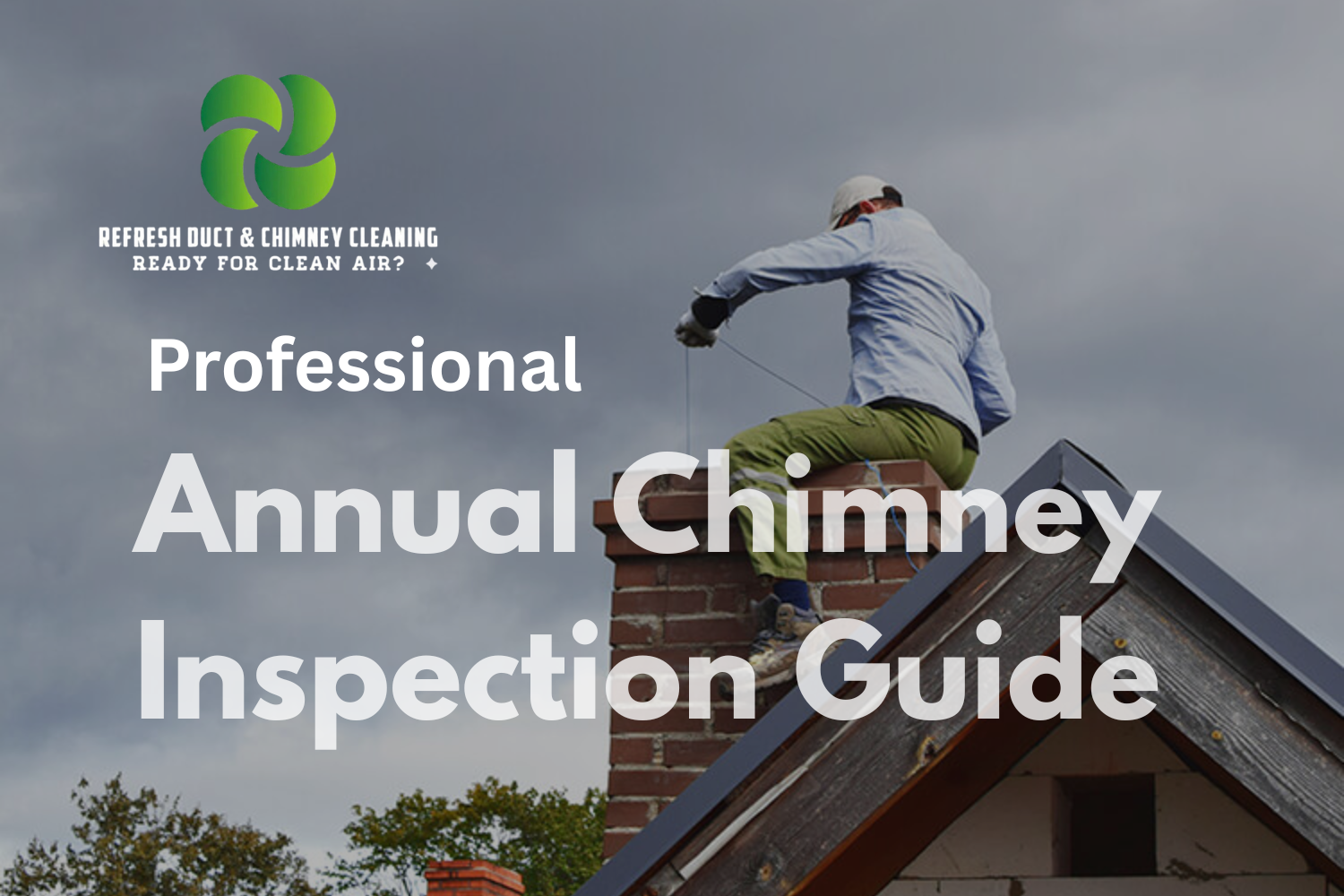
Importance of Annual Chimney Inspections
Chimneys are often overlooked until a problem arises, but annual inspections are crucial for safety. Over time, creosote, soot, and debris accumulate, creating fire hazards. An inspection ensures these risks are identified and mitigated before they become severe.
Regular inspections also help maintain heating efficiency. A well-maintained chimney allows your fireplace or stove to operate optimally, reducing energy waste. Additionally, annual checks can uncover structural damage such as cracks, deteriorating mortar, or leaks, which could otherwise lead to costly repairs.
Fire Prevention and Safety
A chimney filled with creosote or debris is a major fire risk. Professional inspections detect and eliminate these hazards. Ensuring proper ventilation and clear passage prevents dangerous flare-ups in your home.
Regular inspections also identify cracks or loose bricks that could allow flames or heat to escape. Early detection protects your family and your property. Routine maintenance following an inspection further reduces potential hazards.
Efficiency and Performance
A chimney inspection ensures optimal airflow and combustion. Blockages or poor structural conditions can reduce your heating efficiency. Proper inspections identify these issues early, maintaining comfort and energy savings.
Homeowners who neglect inspections often notice higher heating bills. With professional care, your fireplace or stove performs at its peak. Efficient chimneys also reduce harmful smoke exposure in your home.
How Can You Prepare Your Home for a Chimney Inspection?
Preparing your home for a chimney inspection is a simple yet important step that ensures the process is smooth, efficient, and thorough. Start by clearing the area around your fireplace, removing furniture, rugs, or decorative items that might obstruct access. This allows the inspector to move freely and examine all necessary components without delays. It is also helpful to ensure proper lighting in the room so that even minor issues can be easily identified.
In addition, make sure your chimney has not been used for at least 24 hours before the inspection, as a cool chimney is safer and easier to evaluate. Inform the inspector about any past issues, such as smoke backup, unusual odors, or previous repairs, as this provides valuable context. If you have pets, keep them secured in another area to avoid distractions or safety concerns. Taking these small steps not only speeds up the inspection process but also helps ensure a more accurate and detailed assessment.
Signs Your Chimney Needs Inspection
Even without an annual schedule, there are noticeable warning signs that your chimney may need attention. Black soot stains, persistent smoke, or unusual odors are immediate indicators of a problem.
Water damage, rust, or crumbling masonry is another sign your chimney needs professional evaluation. Ignoring these signs can lead to structural failure or severe safety hazards.
Smoke Issues
Excessive smoke or smoke entering the room indicates a blockage or poor ventilation. Immediate inspection prevents indoor air pollution and fire hazards.
Smoke problems often arise from creosote buildup, which can ignite if left unchecked. Regular cleaning and inspection solve these issues efficiently.
Water Damage
Leaks or water stains around the chimney suggest cracked flashing or masonry. Moisture can weaken the structure over time.
Water infiltration also encourages mold growth and interior damage. Annual inspections detect these issues early, preventing expensive repairs.
Creosote Buildup
Creosote is highly flammable and forms as a byproduct of burning wood. Inspections detect thick layers before they become a fire hazard.
Removal of creosote during maintenance keeps your chimney safe. Regular inspections reduce the likelihood of chimney fires significantly.
Annual Chimney Inspection Guide
This guide provides homeowners with essential information about annual chimney inspections, including what to expect, why they matter, and how to maintain a safe and efficient chimney system year after year.
Annual Chimney Inspection Guide Comparison Table
| Inspection Area / Component | What Technicians Check | Common Problems Found | Recommended Action & Frequency |
|---|---|---|---|
| Flue & Chimney Liner | Cracks, damage, corrosion | Deterioration, gaps | Repair or replace every 1-2 years |
| Creosote Buildup | Level and type of accumulation | Stage 1-3 creosote deposits | Professional sweeping annually |
| Chimney Cap & Spark Arrestor | Condition and proper fit | Missing, damaged, or clogged | Replace before winter |
| Mortar Joints & Brickwork | Cracks, erosion, loose bricks | Deteriorating mortar | Repointing every 5-10 years |
| Damper & Smoke Chamber | Operation and rust | Stuck or corroded damper | Lubricate or repair annually |
| Exterior Chimney Structure | Leaning, cracks, water stains | Structural instability | Immediate repair if found |
| Flashing & Roof Junction | Seals and water tightness | Leaks around roof line | Reseal during inspection |
| Draft & Airflow Performance | Proper venting efficiency | Weak draft or backdraft | Clean and adjust as needed |
| Animal Nests & Debris | Birds, squirrels, leaves | Blockages and fire hazards | Remove and install guards |
| Carbon Monoxide Leak Risks | Gaps in liner or connections | Gas escape points | Seal and test annually |
| Overall Chimney Height & Clearance | Proper distance from roof | Code violations | Adjust if necessary |
| Older Chimneys (15+ Years) | Cumulative wear | Multiple aging issues | Full camera inspection yearly |
| Gas Fireplace Venting | Exhaust system integrity | Corrosion in metal vents | Annual gas-specific check |
| Wood-Burning Efficiency | Burn quality and smoke issues | Poor airflow | Cleaning + adjustments |
| Post-Storm Inspection | Wind or rain damage | Loose components | After major weather events |
| Insurance Compliance | Documentation and safety standards | Outdated records | Annual service report |
| Pest-Related Damage | Droppings or nesting damage | Entry points | Seal and clean |
| Water Intrusion Signs | Dampness inside flue | Internal moisture damage | Waterproofing repairs |
| Fire Safety Features | Spark arrestor function | Missing or ineffective | Install/replace yearly |
| General Structural Integrity | Stability of entire chimney | Foundation or alignment issues | Professional masonry repair |
| Pre-Winter Readiness | Full system preparation | Multiple seasonal hazards | Inspect every fall |
| Post-Heating Season Review | Wear after heavy use | Creosote and soot buildup | Spring inspection |
This table covers the key elements of a professional annual chimney inspection. Always hire a CSIA-certified chimney sweep for thorough and safe service. Regular annual inspections are one of the best ways to keep your home safe and your chimney functioning properly.
Types of Chimney Inspections
Chimney inspections are categorized into three levels, depending on detail and complexity.
Level 1: Basic Inspection
Level 1 inspections are routine checks for chimneys that have been in continuous use. This involves a visual examination from the base to the top.
It identifies obvious blockages, structural defects, and basic safety issues. Level 1 inspections are recommended annually for safe chimneys without changes or problems.
Level 2: Comprehensive Inspection
Level 2 inspections are necessary after structural changes, flue relining, or when a home is sold. It includes a detailed examination and may involve cameras to view internal flues.
This inspection identifies hidden problems like cracks, leaks, or flue deterioration. Level 2 ensures your chimney meets safety standards for altered or previously unused structures.
Level 3: Advanced Inspection
Level 3 inspections are conducted when serious issues are suspected. They may require removing portions of the chimney to access hidden areas.
This level is essential for major damage or fire incidents. Advanced inspections ensure complete structural and operational safety.
Preparing for a Chimney Inspection
Preparation ensures the inspection process is smooth and effective. Start by clearing the fireplace and surrounding areas for easy access.
Provide the inspector with any history of chimney repairs or past inspections. This helps them understand potential recurring problems.
Cleaning and Clearance
Ensure the hearth and chimney exterior are free from clutter. Inspectors need clear access to detect structural flaws or blockages.
Removing personal items or flammable objects prevents accidental damage during inspection. This also improves safety for both the inspector and the homeowner.
Documenting Repairs
Keep records of previous inspections, cleaning, or repairs. Documentation helps professionals evaluate patterns of wear or recurring problems.
Homeowners benefit from keeping a maintenance log, which is useful during insurance claims or home sales.
Common Chimney Problems Found During Inspections
Professional inspections often reveal hidden problems that can escalate quickly if untreated.
Cracks and Structural Damage
Cracks in masonry or chimney liners compromise structural integrity. These defects can lead to leaks, collapse, or reduced airflow.
Prompt repair prevents extensive damage. Inspections detect minor cracks before they turn into serious hazards.
Blockages
Bird nests, leaves, or debris can block your chimney. Obstructions reduce airflow and cause smoke to back up into your home.
Clearing blockages is essential for safe and efficient operation. Inspections ensure all vents are unobstructed.
Corrosion and Rust
Metal components like flue caps or dampers can corrode over time. Rust weakens these parts and affects performance.
Inspections detect rust before it causes permanent damage. Maintenance can restore functionality and prevent hazards.
What Does a Chimney Inspection Cost and Is It Worth It?
Chimney inspection costs vary based on location and inspection level. However, the investment is minimal compared to potential repair costs.
A basic inspection is generally affordable and provides valuable insights into your chimney’s condition. More advanced inspections may cost more but offer a detailed analysis.
| Inspection Type | Average Cost | Time Required | Purpose | Recommended For |
|---|---|---|---|---|
| Level 1 | Low | 45–60 mins | Basic check | Annual maintenance |
| Level 2 | Medium | 1–2 hours | Detailed scan | Home buying/selling |
| Level 3 | High | Several hours | Structural analysis | Major issues |
| Cleaning Add-on | Extra | 30–60 mins | Remove buildup | Frequent users |
| Camera Inspection | Medium | 1 hour | Internal view | Hidden issues |
| Emergency Inspection | High | Immediate | Urgent problems | Safety concerns |
| Waterproofing | Medium | Varies | Leak prevention | Older chimneys |
| Cap Installation | Medium | 1 hour | Block debris | Preventive care |
| Liner Repair | High | Several hours | Structural fix | Damaged flue |
| Masonry Repair | High | Days | Structural rebuild | Severe damage |
What Are the Benefits of Regular Chimney Inspections?
Regular chimney inspections are essential for maintaining the safety, efficiency, and longevity of your home’s heating system. Over time, chimneys naturally collect soot, creosote, and debris, while exposure to weather can lead to cracks, leaks, or structural weakening. Without routine inspections, these hidden issues can go unnoticed and eventually turn into serious hazards such as chimney fires or carbon monoxide leaks. By scheduling regular inspections, homeowners can ensure their chimney operates safely while also avoiding unexpected and costly repairs.
- Prevents Chimney Fires: Regular inspections help identify and remove creosote buildup, a highly flammable substance. This greatly reduces the risk of dangerous chimney fires.
- Improves Indoor Air Quality: A properly inspected chimney ensures that smoke and harmful gases are vented efficiently. This keeps the indoor air clean and safe to breathe.
- Detects Early Damage: Inspections reveal small cracks, blockages, or wear before they become major problems. Early repairs are more affordable and less complicated.
- Enhances Heating Efficiency: A clean and well-maintained chimney improves airflow and overall system performance. This helps your heating system work more efficiently and use less energy.
- Extends Chimney Lifespan: Routine inspections prevent long-term damage and structural deterioration. This increases the overall lifespan of your chimney.
- Protects Against Water Damage: Inspections can detect leaks and moisture issues early. Addressing these problems helps prevent serious structural damage.
- Ensures Safety Compliance: Regular chimney checks help ensure your home meets safety standards and regulations. This is important for both insurance and property value.
Cost of Annual Chimney Inspections
Chimney inspection costs vary depending on the type and level of service.
- Level 1 inspections typically cost between $100–$200.
- Level 2 inspections may range from $150–$350 due to additional tools or cameras.
- Level 3 inspections are often $300–$600 because of the advanced work involved.
- Additional repairs or cleaning services are usually quoted separately.
- Investing in inspections prevents high costs associated with chimney fires or major structural repairs.
Maintaining a Safe Chimney Year-Round
Beyond annual inspections, ongoing maintenance is crucial. Regular cleaning, monitoring for leaks, and keeping the area around the chimney clear can prevent hazards.
Seasonal checks, especially after heavy storms or high usage periods, ensure the chimney remains in good condition. Homeowners who adopt a proactive approach avoid emergencies and costly repairs.
Conclusion
Annual chimney inspections are a critical part of home safety and maintenance. They protect your property from fire hazards, structural damage, and costly repairs. Investing in professional inspections ensures peace of mind and long-term performance of your fireplace and chimney.
Maintaining a regular inspection schedule, coupled with proper cleaning and maintenance, safeguards both your family and your home. By taking proactive steps, homeowners can enjoy a safe, efficient, and reliable chimney year after year. Prioritizing chimney inspections is an investment in safety, efficiency, and longevity.
FAQs
1. How often should I schedule a chimney inspection if I use my fireplace regularly?
You should schedule an inspection at least once a year, even with regular use. Heavy usage may require more frequent checks to prevent creosote buildup.
2. Can I inspect my chimney myself?
DIY inspections can help spot visible problems, but lack professional tools and expertise. A certified inspector ensures all structural and safety issues are addressed.
3. What is the difference between a Level 1 anda Level 2 inspection?
Level 1 is a routine annual check, while Level 2 is more detailed and includes hidden areas using cameras. Level 2 is required after structural changes or when problems are suspected.
4. Does insurance require annual chimney inspections?
Some homeowner insurance policies may require professional inspections for coverage on fire damage. Checking your policy ensures compliance and safety.
5. How long does a typical chimney inspection take?
A Level 1 inspection usually takes 30–60 minutes. Level 2 or 3 inspections may last longer due to detailed evaluation and equipment usage.
6. Can an inspection prevent chimney fires?
Yes, inspections detect creosote, blockages, and structural issues. Timely cleaning and repairs drastically reduce fire risk.
7. Are chimney inspections expensive?
Costs vary by level, typically $100–$600. The expense is small compared to potential fire damage or structural repairs.
8. Will an inspection improve my fireplace efficiency?
Yes, inspections ensure proper airflow and detect blockages. Efficient chimneys improve heating performance and reduce energy costs.