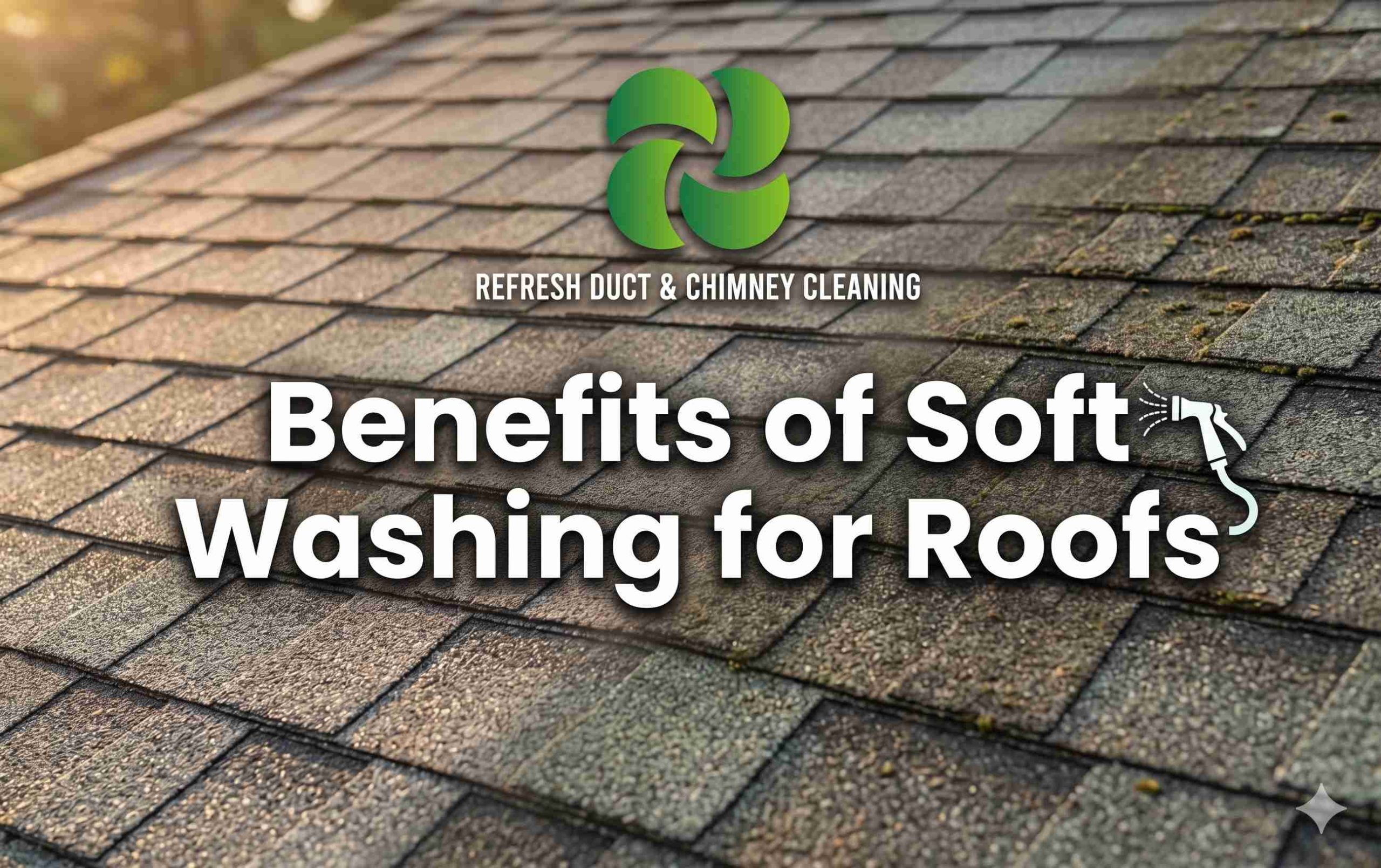
A clean roof is essential for protecting your home from environmental damage while maintaining its curb appeal. Over time, roofs accumulate algae, moss, mildew, dirt, and debris, especially in humid or coastal areas. Neglecting roof maintenance can lead to leaks, structural damage, and reduced energy efficiency.
Soft washing has emerged as a safer, more effective alternative to traditional pressure washing. Using low-pressure water and specialized cleaning solutions, soft washing removes contaminants without damaging shingles, tiles, or metal roofing. By investing in soft washing, homeowners not only enhance roof aesthetics but also extend the lifespan of roofing materials.
What Is Soft Washing?
Soft washing is a roof cleaning technique that combines low-pressure water with biodegradable cleaning solutions. Unlike pressure washing, which relies solely on high-pressure water, soft washing safely removes algae, moss, mildew, and lichen at their root. This prevents rapid regrowth and keeps roofs cleaner for longer.
Soft washing works on a variety of roof materials, including asphalt shingles, clay tiles, slate, and metal. Professionals carefully apply detergents and gently rinse the surface, preserving the integrity of roofing materials while effectively eliminating contaminants.
Low-Pressure Cleaning
Soft washing uses water pressure below 500 PSI. This gentle approach prevents damage to shingles and tiles. High-pressure washing can strip protective granules and cause micro-cracks in roofing materials.
Specialized Cleaning Solutions
Eco-friendly detergents target algae, moss, and mildew. These solutions are applied carefully to penetrate deep into the organic growth, ensuring long-term results.
Roof Safety
Gentle water pressure and biodegradable chemicals protect your roof, landscaping, and plants. Soft washing minimizes the risk of leaks and structural damage.
Why Soft Washing Is Safer Than Pressure Washing?
Pressure washing can be damaging to roofs. High-pressure streams may strip shingles, erode tiles, or force water under the roofing material. Over time, this can lead to leaks, rot, and reduced roof lifespan.
Soft washing avoids these risks while still effectively cleaning the roof. The cleaning solutions break down algae and moss at the root, preventing quick regrowth. This method ensures the roof is both clean and structurally sound.
Protecting Roofing Materials
Soft washing preserves shingles, tiles, and underlayment. The gentle cleaning process reduces the chance of cracks, splinters, and erosion.
Long-Term Algae Control
Soft washing chemicals prevent algae and moss from returning quickly. Homeowners enjoy cleaner roofs for months after treatment.
Eco-Friendly Approach
Biodegradable cleaning solutions are safe for pets, plants, and the surrounding environment. This makes soft washing ideal for residential use.
How Soft Washing Extends Roof Lifespan?
Organic growth, like moss and algae, retains moisture, which can deteriorate roofing materials. Soft washing removes these contaminants without stripping protective coatings or granules. Regular cleaning reduces structural damage and prevents premature replacement.
Algae and moss can cause dark streaks and stains, which affect both aesthetics and UV reflectivity. A clean roof maintains proper heat reflection, reducing weathering and prolonging material integrity.
Moisture Control
Removing moss and algae prevents water retention, which can lead to rot and leaks. This keeps shingles and tiles healthy.
UV Protection
Dark stains and algae can cause uneven heat absorption. Soft washing restores a reflective surface, protecting materials from UV degradation.
Structural Preservation
By eliminating microbial growth and debris, soft washing prevents damage to underlayment and structural roof elements.
Benefits of Soft Washing for Roofs – Southern California Guide Soft washing is a low-pressure roof cleaning method that uses specialized biodegradable cleaning solutions (often with sodium hypochlorite) combined with gentle water flow. It effectively removes algae, black streaks, moss, lichen, mold, dirt, and wildfire ash without damaging shingles or tiles — unlike high-pressure washing, which can strip granules, loosen shingles, and shorten roof life.
In Southern California’s sunny, dry climate with periodic rains, coastal humidity, Santa Ana winds, pollen, and wildfire smoke, roofs accumulate organic growth and debris faster. Soft washing is especially beneficial here for maintaining curb appeal, energy efficiency, and extending roof lifespan while complying with water conservation rules.
Here’s a detailed, comprehensive table on the benefits and key aspects:
| Aspect | Key Benefits & Details | Why It Matters in Southern California | Comparison to Pressure Washing |
|---|---|---|---|
| Gentle on Roofing Materials | Low pressure (under 200–500 PSI) + chemical solutions clean without damaging shingles, granules, tiles, metal, or slate. Prevents cracking, granule loss, and premature aging. | Protects asphalt shingle roofs common in SoCal from harsh sun/UV damage. Safe for popular tile roofs. | High pressure often dislodges granules, voids warranties, and causes leaks. Soft wash is the recommended method. |
| Effective Algae, Moss & Mold Removal | Kills organisms at the root level (not just surface). Removes black streaks, lichen, and mildew thoroughly. Prevents regrowth for 1–3+ years. | Wildfire ash + pollen + occasional rain create ideal conditions for algae/mold. Coastal areas see faster buildup. | Pressure washing removes surface growth but leaves roots, leading to quicker return. |
| Extends Roof Lifespan | Removes damaging growth that holds moisture, breaks down materials, and causes leaks. Can add 5–15+ years to roof life with regular maintenance. | SoCal roofs face intense UV, heat, and dry-wet cycles. Clean roofs last significantly longer (e.g., 30+ years vs. 15–20). | Avoids hidden damage from pressure that accelerates deterioration. |
| Improves Energy Efficiency | Cleaner, lighter-colored roofs reflect more sunlight (higher solar reflectance), reducing attic heat and cooling costs. | Extreme summer heat in inland SoCal areas makes this a big money-saver on AC bills. | Dirty roofs absorb more heat; pressure washing risks damaging reflective surfaces. |
| Enhances Curb Appeal & Home Value | Restores original color and brightness, making the home look well-maintained. | Critical in competitive SoCal real estate markets. Removes unsightly streaks before HOA complaints. | Provides longer-lasting visual results with less risk of visible damage. |
| Prevents Costly Repairs & Leaks | Eliminates growth that traps moisture and deteriorates underlayment/shingles. Reduces risk of premature roof replacement (tens of thousands in costs). | Post-wildfire ash and debris can accelerate damage if not addressed. | Pressure methods can create new problems like lifted shingles leading to leaks. |
| Safer & More Eco-Friendly | Uses less water overall; biodegradable solutions. Lower risk to gutters, landscaping, and pets when applied properly. | Aligns with SoCal drought restrictions and water-use regulations. Protects native plants and prevents runoff pollution. | Uses more water; higher risk of damaging plants or causing erosion. |
| Longer-Lasting Results | Treatment kills spores and roots, so roofs stay cleaner longer between cleanings. | Reduces frequency of maintenance in dusty, windy conditions. | Surface-only cleaning means more frequent (and costly) repeats. |
| Maintains Manufacturer Warranties | Gentle process does not void most shingle warranties (unlike aggressive pressure washing). | Important for newer homes or recent roof installations common in growing SoCal areas. | Many warranties explicitly prohibit high-pressure washing. |
| Cost-Effectiveness | Lower risk of damage means fewer repairs. Professional service typically $0.25–$0.50 per sq ft, with multi-year benefits. | Prevents expensive full roof replacements. Good ROI through energy savings and extended life. | Short-term cheaper but higher long-term costs due to potential damage. |
When Should You Soft Wash Your Roof?
Soft washing is recommended at least once every 2–3 years, depending on environmental conditions. Coastal and humid regions experience faster algae and moss growth, requiring more frequent cleaning.
Regular inspections can help determine the best schedule. Signs such as black streaks, moss patches, discoloration, or water damage indicate the need for soft washing. Proactive cleaning reduces long-term costs and enhances roof safety.
Seasonal Considerations
Spring and fall are ideal times for soft washing, avoiding extreme temperatures. Cleaning during mild weather ensures solutions work effectively.
Post-Storm Cleaning
Heavy rain, wind, or debris can accelerate contamination. Soft washing after storms prevents buildup and potential damage.
How Soft Washing Improves Energy Efficiency?
Moss, algae, and dirt darken roofing surfaces, increasing heat absorption. This can raise indoor temperatures and energy bills. Soft washing restores the roof’s reflective surface, improving energy efficiency and comfort inside the home.
Clean roofs allow HVAC systems to operate more efficiently. By reducing heat retention, homeowners can save on cooling costs during the summer months. Regular soft washing contributes to both environmental and financial benefits.
Temperature Regulation
Algae and debris can trap heat, increasing energy consumption. Soft washing restores proper heat reflection.
HVAC Efficiency
By maintaining a clean roof, indoor temperatures remain more stable. HVAC systems use less energy, lowering utility bills.
Environmental Impact
Less energy usage reduces your carbon footprint. Soft washing supports sustainable home maintenance.
Does Soft Washing Prevent Roof Leaks?
Soft washing itself does not repair existing leaks, but helps prevent new ones. Removing moss and algae that retain moisture, it reduces water infiltration. This decreases the likelihood of rot and damage to shingles and underlayment.
A clean roof allows homeowners to spot potential problems early, such as damaged shingles, cracked tiles, or compromised flashing. Early detection combined with soft washing ensures long-term roof protection.
Cost of Soft Washing Roofs
The cost of soft washing varies based on roof size, slope, material, and condition. Professional services often include inspection, application of cleaning solutions, and rinse-down. Investing in soft washing can prevent costly repairs and extend roof life.
| Roof Size | Average Cost | Purpose | Benefit |
| Small Roof (1,000–1,500 sq.ft) | $250 – $450 | Remove algae, moss, dirt | Extend lifespan and improve aesthetics |
| Medium Roof (1,500–2,500 sq.ft) | $450 – $750 | Comprehensive cleaning | Prevent regrowth and structural damage |
| Large Roof (2,500–4,000 sq.ft) | $750 – $1,200 | Full treatment | Maintain integrity and appearance |
| Slate/Tile Roofs | $900 – $1,500 | Gentle stain removal | Avoid cracking or erosion |
| Metal Roofs | $350 – $700 | Low-pressure cleaning | Preserve coatings and prevent rust |
How Soft Washing Improves Roof Health and Durability?
Soft washing is a safe and effective method used to clean roofs without causing damage. It uses low pressure and special cleaning solutions to remove dirt, algae, moss, and mold from the surface. This process helps protect your roof and keeps it looking clean and new for a longer time.
Prevents Moisture Retention
Algae and moss trap moisture on the roof surface. This can lead to decay and structural issues. Soft washing removes these organisms effectively. This helps keep the roof dry and durable.
Protects Roofing Materials
By eliminating harmful growth, soft washing protects shingles and tiles from deterioration. It preserves the integrity of the roof. This ensures the roof lasts longer. It also reduces repair needs.
Reduces Structural Stress
A clean roof is lighter and less burdened by debris and growth. This reduces stress on the structure. Soft washing ensures that the roof remains in optimal condition. This enhances overall durability.
Steps to Maintain a Roof After Soft Washing
Maintaining your roof after a soft wash is crucial to prolonging its lifespan and keeping it looking clean. Soft washing removes algae, moss, and debris gently without damaging shingles, but proper follow-up care ensures these problems don’t return quickly. Routine inspections, preventive treatments, and minor repairs can protect your roof investment and maintain its structural integrity over time.
- Inspect Regularly: Check for damaged or missing shingles and loose flashing after cleaning.
- Clean Gutters: Remove debris to prevent water backup and roof edge damage.
- Trim Overhanging Branches: Reduce shade and debris buildup that encourages moss and algae growth.
- Apply Preventive Treatments: Use roof-safe algaecides or moss inhibitors to slow regrowth.
- Remove Debris Promptly: Clear leaves, sticks, and dirt regularly to prevent staining and decay.
- Check for Leaks: Inspect attic and ceiling areas to ensure no water infiltration occurred.
- Schedule Routine Soft Washing: Plan soft washing every 2–3 years, depending on roof type and climate.
- Maintain Surrounding Landscaping: Ensure plants don’t touch the roof to reduce moisture and moss formation.
Conclusion
Soft washing offers a safe, effective, and environmentally friendly solution for maintaining roof health and aesthetics. By removing algae, moss, and debris, homeowners extend the lifespan of their roofing materials while reducing maintenance costs. Regular soft washing prevents structural damage, improves energy efficiency, and enhances curb appeal.
Investing in professional soft washing ensures thorough cleaning, proper chemical application, and long-lasting results. Homes with clean, well-maintained roofs enjoy improved durability, comfort, and overall property value.
Frequently Asked Questions
1. Is soft washing safe for all roofing materials?
Yes, it works on asphalt shingles, slate, clay tiles, and metal without causing damage.
2. How often should soft washing be done?
Every 2–3 years, or more often in humid and coastal areas.
3. Can I soft wash my roof myself?
DIY soft washing is possible but risky. Professional services ensure safety and proper chemical use.
4. Does soft washing prevent algae regrowth?
Yes, cleaning solutions target the root system to reduce regrowth.
5. Is soft washing environmentally friendly?
Most professional detergents are biodegradable and safe for plants, pets, and people.
6. Can soft washing replace roof repairs?
No, it maintains cleanliness and prevents damage, but does not fix existing leaks or structural issues.
7. How long does a soft wash take?
Depending on roof size and condition, it typically takes 2–6 hours.
8. Does soft washing affect my roof warranty?
Professional soft washing is safe and often recommended to maintain warranty compliance.
9. Will soft washing improve my home’s energy efficiency?
Yes, removing algae and stains restores reflectivity and reduces heat absorption, lowering cooling costs.