Winter is the season when many homeowners rely on fireplaces, wood stoves, or pellet stoves to provide warmth and comfort. A well-maintained chimney ensures not only a cozy home but also safety for your family. However, a neglected chimney can pose serious hazards, including fires, carbon monoxide leaks, and structural damage.
Understanding whether your chimney is safe for winter is crucial for any homeowner. Ignoring minor issues can result in costly repairs, reduced heating efficiency, and dangerous indoor air conditions. By taking preventive measures, performing regular inspections, and scheduling professional maintenance, homeowners can ensure their chimneys function safely and efficiently during the cold months.
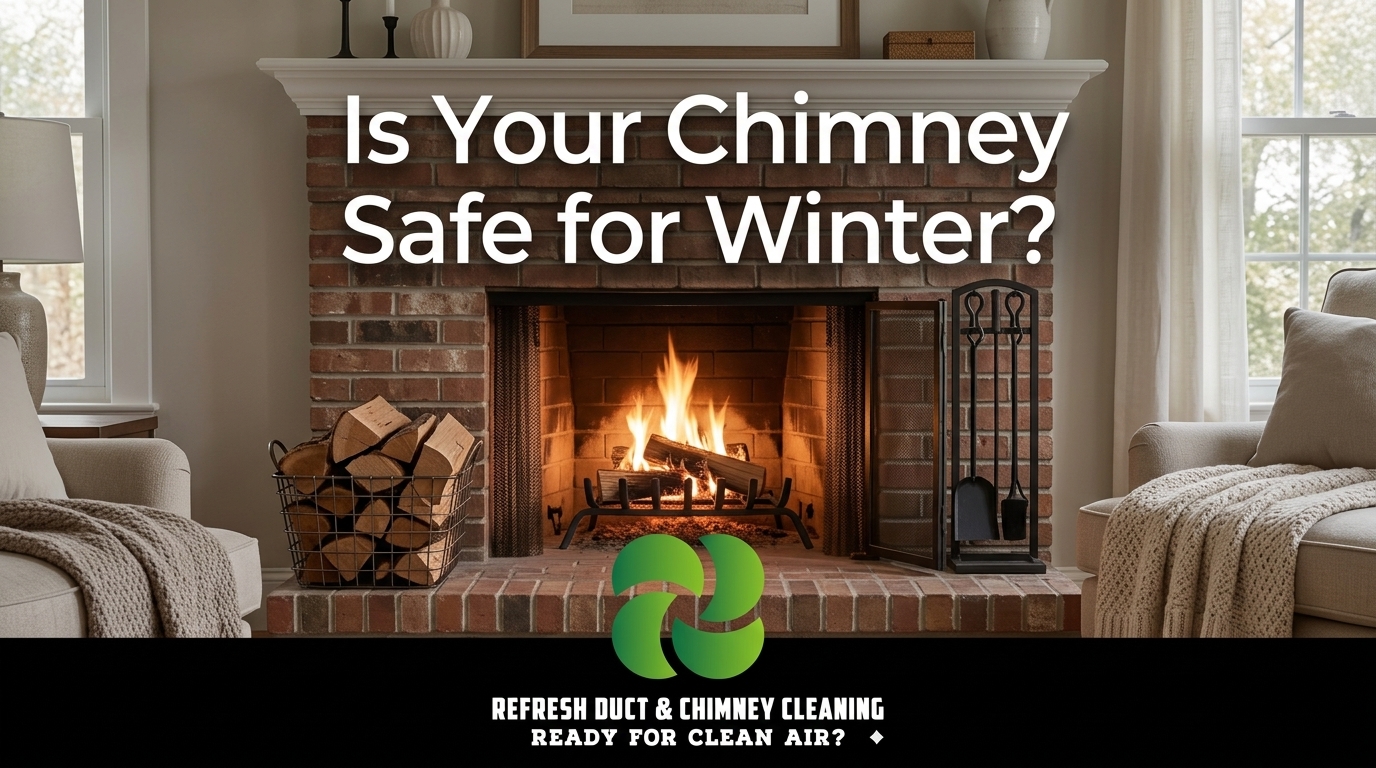
Why Chimney Safety Matters in Winter
Your chimney is more than a decorative feature—it is a critical part of your home’s heating system. Cracks, blockages, or accumulated creosote can compromise airflow, cause smoke to enter the home, and even allow dangerous gases like carbon monoxide to leak indoors.
During winter, increased use of fireplaces and wood stoves elevates the risk of fires if the chimney is not properly maintained. Regular inspections, cleaning, and repairs not only protect your home but also improve heating efficiency, allowing your fireplace to function optimally when temperatures drop.
Potential Hazards
Fire Risk from Creosote
Creosote forms naturally when wood smoke cools and condenses inside the chimney flue. It is highly flammable, and even a thin layer can ignite during high-temperature fires. Regular professional sweeping is the most effective way to minimize this risk.
Carbon Monoxide Exposure
Blocked chimneys or damaged flues can allow carbon monoxide to seep into living spaces. Because carbon monoxide is colorless and odorless, its buildup is particularly dangerous. Proper maintenance ensures all gases vent safely outside the home.
Structural Damage
Cracks or loose bricks in the chimney structure allow heat, smoke, and moisture to penetrate walls or ceilings. Over time, this can lead to rot, mold, or weakened masonry. Timely repairs prevent long-term damage and costly home repairs.
Common Chimney Problems to Address Before Winter
Chimneys undergo constant stress from heat, moisture, and seasonal weather changes. Some common problems that compromise winter safety include:
-
- Creosote buildup
-
- Blockages from debris or wildlife
-
- Water damage and freeze-thaw cracking
-
- Damaged flue liners
Ignoring these issues can decrease heating efficiency, produce unpleasant odors, and increase fire or health hazards. Addressing them proactively is key to a safe winter season.
Detailed Problems
Creosote Accumulation
Creosote is a sticky, tar-like substance formed from wood smoke. During heavy winter use, the buildup accelerates, creating a significant fire hazard. Stage 1 creosote is flaky and easy to remove, but stage 3 creosote is hardened and highly combustible, requiring professional tools for safe removal.
Blockages and Debris
Leaves, twigs, bird nests, or soot can obstruct airflow inside the chimney. Blockages increase indoor smoke exposure and reduce heating efficiency. Detecting and clearing obstructions is essential for safe fireplace use.
Masonry Cracks and Water Damage
Moisture can weaken bricks and mortar. Freeze-thaw cycles during winter exacerbate cracks, allowing water to penetrate and potentially cause mold or structural issues. Repairing these problems before winter prevents further deterioration.
Damaged Flue Liners
Flue liners protect your chimney from heat and chemical damage. Cracks, missing tiles, or corrosion compromise safety, reduce efficiency, and increase fire risk. Professional inspection ensures liner integrity.
How to Inspect Your Chimney
A proper inspection identifies hidden hazards before the first winter fire. While homeowners can conduct basic visual checks, annual professional inspections are recommended.
Check for cracks, water stains, loose bricks, rusted metal components, and proper chimney cap installation. A well-inspected chimney ensures safe, efficient, and trouble-free operation throughout winter.
Step-by-Step Inspection
Exterior Check
Examine the brickwork, mortar joints, and chimney crown for damage. Look for loose bricks, crumbling mortar, or rust on metal caps. Addressing minor exterior issues early prevents larger problems.
Interior Flue Check
Use a flashlight to inspect the flue for creosote buildup, blockages, or cracks. Early detection allows for targeted cleaning before hazards escalate.
Damper Function
Ensure the damper opens and closes smoothly. Malfunctioning dampers reduce efficiency and can allow smoke or gases to backdraft into your home.
Chimney Cap Inspection
Confirm that the chimney cap is intact and secure. Caps prevent debris, water, and animals from entering the flue while also reducing downdrafts.
Benefits of Professional Chimney Services
Professional chimney cleaning removes creosote and reduces the risk of chimney fires significantly. Improved draft ensures better combustion and less smoke pollution indoors. Early detection of damage prevents expensive structural repairs during cold weather. Safe operation protects against carbon monoxide poisoning and other health hazards.
Regular maintenance extends the overall lifespan of the chimney system. Cleaner burning leads to more efficient heat output and lower fuel consumption. Peace of mind comes from knowing the fireplace is ready for safe family gatherings. Proper sealing and repairs stop water damage that worsens in winter conditions. A well-maintained chimney increases home safety and resale value. Investing in pre-winter service avoids emergency calls and ensures reliable warmth.
Chimney Safety for Winter Comparison Table
| Chimney Issue / Situation | Potential Risks | Recommended Action | Frequency / Timing |
|---|---|---|---|
| Creosote Buildup | Chimney fire hazard | Professional sweeping and cleaning | Annually before winter |
| Cracked or Damaged Flue Liner | Carbon monoxide leaks | Inspection and liner repair/replacement | Every 1-2 years |
| Missing or Damaged Chimney Cap | Water, snow, and animal entry | Install or replace cap | Before winter season |
| Deteriorating Mortar Joints | Structural instability | Repointing and sealing | Every 5-10 years or as needed |
| Blocked Chimney Flue | Smoke backup and poor draft | Thorough cleaning and debris removal | Annually |
| Rust on Damper or Metal Components | Malfunctioning parts | Lubrication and replacement if needed | During annual inspection |
| Animal Nests or Debris | Fire hazard and blockages | Nest removal and cap installation | Spring and fall |
| Water Leaks or Moisture Intrusion | Freeze-thaw damage | Waterproofing and flashing repairs | Before rainy/winter season |
| Older Chimneys (Over 20 Years) | Multiple hidden issues | Full inspection with camera | Annually |
| Frequent Fireplace Use | Rapid creosote accumulation | More frequent cleanings | 2-3 times per year |
| After Storm or High Winds | Loose bricks or debris | Post-storm safety check | Immediately |
| Signs of Soot or Staining Indoors | Flue damage or leaks | Immediate professional evaluation | As soon as noticed |
| Poor Draft or Smoking Issues | Blockage or design problems | Draft testing and cleaning | Before first fire |
| Corrosion in Stainless Steel Liners | Liner failure | Detailed liner inspection | Every 2 years |
| Homes with Multiple Fireplaces | Varied wear across systems | Comprehensive multi-flue inspection | Annually |
| After Bird or Squirrel Activity | Nesting materials | Nest removal and exclusion measures | Off-season |
| High Humidity Areas | Accelerated corrosion | Moisture control and sealing | Seasonal checks |
| Post-Home Renovation | Debris in chimney | Post-construction cleaning | Immediately after |
| Visible Exterior Damage | Compromised structure | Masonry repair and reinforcement | Before winter |
| Carbon Monoxide Detector Alerts | Possible leaks | Urgent inspection and repair | Immediately |
| Neglected Chimneys (No Recent Service) | High risk of multiple problems | Full cleaning and detailed inspection | Before first use |
| Wood-Burning Stove Connected | Different venting requirements | Specialized inspection | Annually |
| Gas Fireplace Systems | Venting and exhaust issues | Gas-specific safety check | Annually |
| Homes Near Trees | Leaf and branch debris | Regular debris clearing | Fall and spring |
This table covers key chimney safety concerns and actions to take before and during winter. Always consult a qualified chimney professional (CSIA-certified) for thorough inspection and maintenance services.
Key Advantages of Professional Services
-
- Creosote Removal: Eliminates highly combustible residue inside the flue.
-
- Structural Assessment: Detects masonry cracks, liner damage, and weakened components.
-
- Improved Airflow: Restores proper draft for efficient fireplace operation.
-
- Carbon Monoxide Safety: Ensures proper venting and reduces indoor gas risks.
-
- Odor Reduction: Removes lingering smoke and soot smells.
Professional services also extend the lifespan of your chimney by addressing minor problems before they evolve into costly repairs.
Preventive Measures Before Winter
Taking preventive steps reduces hazards and ensures your chimney operates safely all season. Combining DIY checks with professional assistance provides maximum protection.
Important Preventive Steps
-
- Upgrade Air Filters: High-quality filters reduce soot and dust circulation indoors.
-
- Seal Gaps: Weatherstrip doors and windows to limit smoke infiltration.
-
- Install Chimney Caps: Prevent animals, debris, and water from entering.
-
- Check Fireboxes: Remove ash buildup and inspect for cracks or damage.
-
- Schedule Sweeping: Professional cleaning removes creosote and debris.
-
- Inspect Flue Liners: Repair or replace any cracked or corroded liners.
-
- Monitor Humidity: Moisture inside the chimney promotes creosote and mold.
-
- Test Smoke and CO Detectors: Ensure functioning detectors for early hazard detection.
Maintenance Checklist for Winter
A structured maintenance checklist ensures all critical safety areas are addressed. Regular upkeep prevents accidents and improves efficiency.
Checklist Steps
-
- Inspect exterior masonry and mortar for cracks or loose bricks.
-
- Check for flue obstructions from soot, debris, or animals.
-
- Verify damper and chimney cap functionality.
-
- Clean the firebox and remove ash accumulation.
-
- Schedule professional flue sweeping.
-
- Assess flue liners for damage or corrosion.
-
- Repair or replace damaged components promptly.
-
- Ensure smoke and carbon monoxide detectors are operational and tested.
Signs That Your Chimney Is Unsafe
Recognizing early warning signs allows homeowners to address issues before serious hazards develop. Delays can increase repair costs and elevate safety risks.
Red Flags
-
- Persistent smoke or burnt odors indoors
-
- Rapid filter clogging or visible soot accumulation
-
- Reduced airflow or inconsistent heating performance
-
- Crumbling bricks or visible masonry cracks
Seasonal Tips for Chimney Safety
Preparing your chimney for winter goes beyond inspections and cleaning. Seasonal habits can improve safety and efficiency throughout the heating season.
Winter Preparation Tips
-
- Burn Proper Wood: Avoid treated or wet wood to minimize creosote formation.
-
- Avoid Overloading Fires: Overloading can overheat the flue and accelerate residue buildup.
-
- Regularly Check the Cap: Snow, ice, or debris can block chimney caps, reducing airflow.
-
- Keep Surrounding Area Clear: Remove flammable objects near the fireplace.
-
- Use Fireplace Screens: Protect against sparks and embers escaping into the room.
-
- Monitor Indoor Humidity: Prevent condensation inside the chimney flue.
Conclusion
Ensuring Is Your Chimney Safe for Winter? is vital for every homeowner relying on fireplaces or stoves. Regular inspections, professional cleaning, and proactive repairs reduce fire hazards, carbon monoxide risks, and structural damage.
By combining preventive measures, professional services, and seasonal best practices, homeowners can enjoy a warm, safe, and worry-free winter. A well-maintained chimney improves efficiency, protects health, and preserves the long-term integrity of your home.
Frequently Asked Questions (FAQs)
1. How often should chimneys be inspected?
Chimneys should be inspected annually, preferably before winter. This ensures safety and identifies hidden hazards early.
2. Can I remove creosote myself?
Light creosote can be brushed, but hardened buildup requires professional sweeping. Attempting major cleaning alone is dangerous.
3. What is the purpose of a chimney cap?
Chimney caps prevent water, debris, and animals from entering the flue. They also reduce downdrafts and escape of sparks.
4. How do I know if my flue liner is damaged?
Look for cracks, missing tiles, or uneven airflow. Professional inspection confirms damage and safety risks.
5. Are gas fireplaces safer than wood?
Gas fireplaces reduce creosote buildup but still require proper venting and maintenance.
6. How can I prevent animal intrusion?
Install a fitted chimney cap and inspect for nests or debris regularly.
7. What should I do if my chimney smells burnt?
Persistent odors indicate creosote buildup or fire damage. Schedule professional cleaning and inspection immediately.
8. Does water damage affect chimney safety?
Yes, water weakens masonry and accelerates cracks. Freeze-thaw cycles during winter worsen structural damage.