
When homeowners plan a New HVAC Installation? Replace Ducts Too? Upgrade: the focus usually stays on the new furnace, air conditioner, or heat pump. But your ductwork is the hidden backbone of the entire system, quietly delivering heated and cooled air to every room. If the ducts are damaged, outdated, or poorly designed, even the most advanced HVAC unit cannot perform at its best.
A new HVAC installation is a major investment meant to improve comfort, energy efficiency, and indoor air quality. However, keeping old or inefficient ductwork can limit performance, increase energy bills, and shorten system lifespan. Understanding whether you should replace ducts too ensures your entire HVAC system works efficiently, safely, and reliably for years to come.
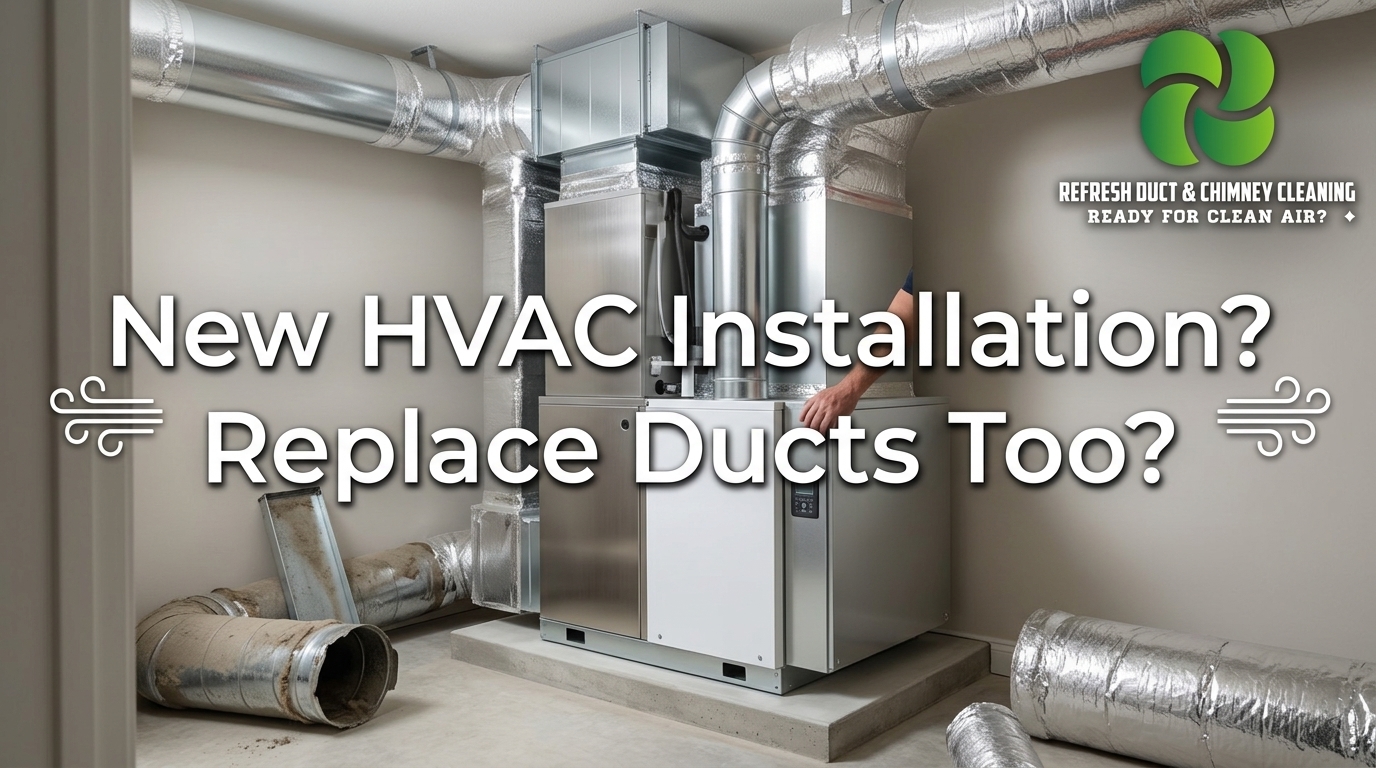
Why Ductwork Plays a Critical Role in a New HVAC Installation
Ductwork acts as the distribution highway for conditioned air throughout your home. During a new HVAC installation, airflow must move efficiently from the unit to each room and back again. If ducts are leaking, undersized, or poorly insulated, system performance immediately suffers.
Modern HVAC systems are designed with precise airflow requirements. When old ductwork cannot meet those requirements, static pressure increases and efficiency drops. This mismatch can cause uneven temperatures, noisy operation, and unnecessary wear on system components.
Replacing ducts during a new HVAC installation creates a fully optimized system. Instead of patching problems, you start fresh with properly sized, sealed, and insulated ductwork. This approach protects your investment and maximizes long-term efficiency.
Airflow Efficiency and Static Pressure
Proper airflow is essential for HVAC efficiency. If ducts restrict airflow, the system must work harder to circulate air throughout the home. This increases energy consumption and mechanical strain.
High static pressure is a common result of undersized or poorly designed ducts. It can damage blower motors and reduce equipment lifespan. Replacing ducts ensures balanced airflow and healthier system operation.
Low airflow also leads to comfort complaints. Rooms far from the unit may never reach the desired temperature. New ductwork corrects these distribution issues.
System Longevity and Performance
Your new HVAC system is engineered to operate within specific airflow parameters. When ducts are incompatible, components wear out faster. This shortens the lifespan of expensive equipment.
Replacing ducts during a new HVAC installation reduces strain on compressors and blowers. Balanced airflow helps maintain steady temperatures without overworking the system. This extends operational life and lowers repair costs.
Energy Efficiency Ratings and Real-World Results
High-efficiency HVAC units advertise impressive SEER or AFUE ratings. However, those ratings assume properly designed duct systems. If ductwork leaks or restricts airflow, actual performance may fall far below expectations.
Replacing ducts helps homeowners achieve the efficiency levels promised by manufacturers. Sealed and insulated ducts minimize energy loss. This ensures that conditioned air reaches living spaces effectively.
Energy efficiency is not just about equipment—it is about the entire system working together.
Signs You Should Replace Ducts During HVAC Installation
When considering a new HVAC Installation? Replace Ducts Too? Certain warning signs indicate replacement may be necessary. Ignoring these issues can limit the benefits of your new HVAC system. A thorough inspection helps identify underlying duct problems.
Old ductwork often deteriorates over time. Metal ducts can rust, while flexible ducts may sag, tear, or collapse. These issues reduce airflow and allow air leakage.
Uneven heating and cooling are strong indicators of duct inefficiency. If some rooms are consistently hotter or colder than others, airflow imbalance may be the cause. Replacing ducts corrects these distribution issues.
Aging Duct Materials
Most duct systems last between 15 and 25 years. After that period, wear and tear become more common. Seals weaken, joints loosen, and insulation deteriorates.
If you are installing a new HVAC system in an older home, existing ducts may no longer meet modern standards. Replacement ensures compatibility with updated equipment. This prevents performance mismatches.
Older ducts may also lack proper insulation. Upgrading improves temperature control and reduces energy waste.
Visible Damage and Air Leaks
Disconnected joints, crushed sections, or visible corrosion require immediate attention. Damaged ducts compromise airflow and waste energy. Small leaks can lead to significant losses over time.
Air leakage reduces system efficiency and increases runtime. The HVAC unit must work longer to maintain the desired temperatures. Replacing ducts eliminates these hidden inefficiencies.
Comfort and Air Quality Issues
If certain rooms never feel comfortable, duct design may be the culprit. Poor airflow distribution prevents consistent temperature control. Replacement ensures balanced delivery throughout the home.
Dust, allergens, and mold growth may also originate in damaged ducts. Leaky systems draw in contaminated air from unconditioned spaces. Installing new ducts improves overall air cleanliness.
Detailed Comparison Table: Replace Ducts vs Reuse Existing Ducts
| Aspect | Replace Ducts (Recommended in most cases) | Reuse Existing Ducts (Only if good condition) | Notes / When to Choose |
|---|---|---|---|
| Upfront Cost | High (Extra $2,000 – $12,000+) | Low (Saves $2k–$10k) | Replacement cost depends on home size, duct material & access difficulty |
| Energy Efficiency | Excellent (20-50% less leakage) | Poor to Average (Leaks common) | Old ducts can waste huge energy even with new efficient HVAC |
| Airflow & Comfort | Even temperatures, better pressure | Often uneven rooms, weak airflow | New ducts designed for modern variable-speed systems |
| Indoor Air Quality | Much better (Less dust, mold, allergens) | Risk of circulating contaminants | Very important for allergy/asthma patients |
| System Longevity | New HVAC lasts longer (less strain) | May reduce new unit life by 3-7 years | Leaky ducts make compressor work harder |
| Noise Level | Quieter operation | More noise & whistling possible | Sealed new ducts reduce sound |
| Maintenance | Lower long-term maintenance | Higher (frequent cleaning/sealing needed) | – |
| Warranty Impact | Full warranty usually applies | May void or reduce warranty | Many manufacturers require proper ductwork |
| Best For Home Age | 15+ years old homes | Newer homes (<10 years) with rigid metal ducts | – |
| Duct Material | New rigid metal or insulated flex | Only if rigid metal & good condition | Flexible ducts often need replacement |
| Installation Time | 2-5 extra days | Faster (1-2 days) | Walls/ceilings may need opening |
| Return on Investment | 2-6 years through energy savings | Immediate savings but higher bills later | Pays back faster in hot/cold climates |
| Environmental Impact | Lower carbon footprint long-term | Higher due to energy waste | – |
| Future-Proofing | Excellent (Ready for smart HVAC, zoning) | Limited | Good for long-term homeowners |
| Common Problems Addressed | Leaks, sagging, poor insulation, wrong sizing, mold | None (existing issues remain) | – |
When Duct Replacement May Not Be Necessary
Not every homeowner is asking New HVAC Installation. Replace Ducts Too? will need full replacement. In some cases, duct systems remain structurally sound and properly sized. A professional evaluation determines whether repair or sealing is sufficient.
Homes built within the last decade often have modern duct systems that meet efficiency standards. If airflow testing confirms proper performance, replacement may not be required. Minor sealing or insulation upgrades may resolve small issues.
Repairing isolated sections can be cost-effective. If only one branch line is damaged, targeted replacement may solve the problem. This approach preserves functional ductwork while improving performance.
However, skipping inspection is risky. Even newer homes can have poorly installed ducts. Professional testing ensures the system truly supports your new HVAC installation.
Cost Considerations and Long-Term Value
Are financial concerns central to the New HVAC Installation? Replace Ducts Too? decision. Replacing ducts increases upfront costs, but long-term savings may offset that investment. Evaluating both immediate and future expenses helps homeowners make informed choices.
Duct replacement costs vary depending on home size and layout complexity. Accessibility also influences pricing, especially in tight crawl spaces or attics. Material choice and insulation level further impact total cost.
Long-term energy savings can be substantial. Efficient duct systems reduce air loss and decrease monthly utility bills. Over time, these savings accumulate significantly.
Combining duct replacement with a new HVAC installation may reduce labor costs. Contractors can complete both projects simultaneously. This avoids paying for separate installations later.
Benefits of Replacing Ducts During a New HVAC Installation
Replacing ducts during a new HVAC installation provides comprehensive system improvements. Instead of upgrading only the equipment, you enhance the entire air distribution network. This creates a more efficient, reliable, and comfortable home environment.
Modern duct systems are designed specifically for your updated HVAC unit. They ensure proper airflow, balanced temperature control, and improved energy performance. Coordinating both upgrades maximizes long-term value and performance.
- Improved Airflow Balance
New duct systems are custom-designed for your HVAC equipment’s airflow requirements. This ensures consistent heating and cooling across every room in your home. - Lower Energy Bills
Sealed and insulated ducts reduce conditioned air loss significantly. Less energy waste means your HVAC system runs shorter cycles and consumes less power. - Extended Equipment Lifespan
Balanced airflow reduces strain on critical components like blowers and compressors. Less mechanical stress leads to fewer breakdowns and longer system life. - Enhanced Indoor Air Quality
New ducts prevent dust, allergens, and pollutants from entering the airflow system. Cleaner air improves respiratory comfort and overall indoor health. - Quieter System Operation
Properly sized ducts reduce airflow resistance and vibration. This results in smoother, quieter HVAC performance. - Reduced Maintenance Costs
A well-designed duct system minimizes system strain and performance issues. This reduces the frequency of repairs and maintenance visits. - Better Temperature Consistency
Eliminating leaks and airflow restrictions improves room-to-room comfort. Hot and cold spots become far less common. - Increased Home Value
Upgraded HVAC and duct systems appeal to potential buyers. Energy efficiency improvements can enhance resale potential.
Key Factors to Consider Before Making Your Decision
Before finalizing your New HVAC Installation? Replace Ducts Too? Choose carefully, evaluate important structural and financial factors. Every home is different, and duct conditions vary widely. A thoughtful approach ensures you make the right long-term decision.
Consider the age and visible condition of your ductwork. Older systems are more likely to have leaks, insulation breakdown, or improper sizing. Energy efficiency goals and long-term homeownership plans also influence the decision.
- Age of Ductwork
Duct systems older than 15–20 years may show signs of wear and deterioration. Aging materials are more prone to air leakage and structural failure. - Visible Damage or Corrosion
Rusted metal, disconnected joints, or crushed flexible ducts signal serious problems. Structural damage reduces airflow efficiency and wastes energy. - Rising Energy Bills
Increasing utility costs may indicate hidden duct leaks. Replacing ducts can significantly reduce ongoing energy expenses. - Uneven Room Temperatures
Persistent hot or cold spots suggest an airflow imbalance. Properly designed ducts restore consistent temperature control. - Indoor Air Quality Concerns
Dust buildup, allergy symptoms, or musty odors may originate in leaky ducts. New ductwork improves filtration and air cleanliness. - Home Renovation Plans
If remodeling or expanding, updating ducts ensures proper airflow distribution. It prepares your HVAC system for future demands. - Long-Term Ownership Goals
If you plan to stay in your home for many years, investing in duct replacement offers lasting comfort and savings. Long-term benefits often outweigh initial costs. - Professional Inspection Results
Airflow testing and static pressure measurements provide accurate system data. These results guide informed decisions about replacement.
Conclusion
The question: New HVAC Installation? Replace Ducts Too? requires careful evaluation of your home’s existing duct system. While replacing ducts increases upfront costs, it often delivers significant long-term benefits in comfort, efficiency, and reliability. Ignoring ductwork can limit the performance of even the most advanced HVAC equipment.
A professional inspection is essential before making a final decision. Balanced airflow, sealed connections, and proper sizing ensure your new HVAC installation performs as intended. Investing in duct replacement when necessary creates a fully optimized system that delivers comfort and savings for years to come.
Frequently Asked Questions (FAQs)
1. Can I replace HVAC equipment now and ducts later?
Yes, but doing both together is usually more cost-effective. Separate projects increase labor expenses and disruption.
2. How do professionals test duct performance?
Contractors use airflow measurement tools and pressure testing. These tests identify leaks and sizing problems.
3. Are flexible ducts less durable than metal ducts?
Flexible ducts can sag or tear more easily. Metal ducts generally last longer when properly installed.
4. Will replacing ducts reduce HVAC noise?
Yes, properly sized ducts reduce airflow resistance and vibration. This creates quieter system operation.
5. Do new ducts require maintenance?
Yes, periodic inspection and cleaning help maintain efficiency. Proper sealing ensures long-term performance.
6. Can duct insulation improve efficiency without full replacement?
In some cases, yes. Upgrading insulation may reduce energy loss if ducts are structurally sound.
7. Does duct replacement qualify for energy rebates?
Some regions offer incentives for energy-efficient upgrades. Availability depends on local programs.
8. Is duct replacement messy?
Professional installers minimize disruption. Most work occurs in attics, basements, or crawl spaces.