
When it comes to keeping your heating and cooling system in top condition, many homeowners get confused about HVAC tune-up vs full maintenance. Both services are important, but they are not the same. Understanding the difference can help you protect your system, save money, and avoid sudden breakdowns during peak seasons.
The debate around HVAC tune-up vs full maintenance often comes down to depth, timing, and long-term value. A quick tune-up might improve short-term performance, while full maintenance focuses on complete system care. Knowing when to choose each service can extend your HVAC system’s lifespan and improve energy efficiency throughout the year.
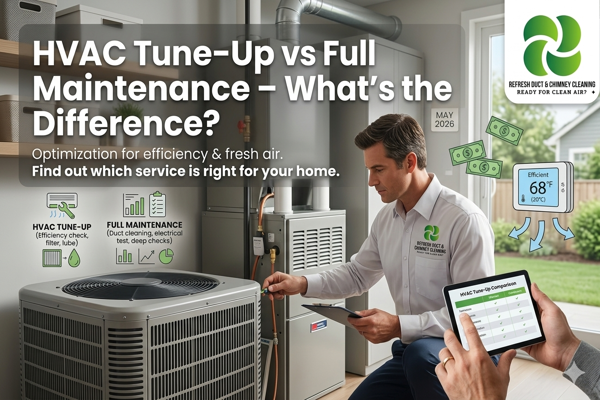
What Is an HVAC Tune-Up?
An HVAC tune-up is a preventive maintenance service designed to inspect, clean, and optimize the performance of your heating and cooling system. It ensures that all components are working efficiently and helps detect minor issues before they turn into major problems. In a city like San Diego, where HVAC systems are used frequently, regular tune-ups are essential to maintain comfort and avoid unexpected breakdowns. This service not only improves system performance but also extends its overall lifespan.
Inspection of Key Components
During a tune-up, technicians carefully inspect major components such as filters, coils, motors, and electrical connections. This helps identify any signs of wear, damage, or inefficiency. Early detection ensures timely repairs and prevents costly system failures.
Cleaning and Dust Removal
Dust and debris can build up inside the HVAC system over time, reducing efficiency. A tune-up includes a thorough cleaning of internal parts like coils and filters. Clean components allow better airflow and improve overall system performance.
System Calibration and Adjustment
Technicians adjust the thermostat and other system settings to ensure accurate temperature control. Proper calibration helps the system operate more efficiently and maintain consistent indoor comfort. This step is crucial for energy savings.
Checking Refrigerant Levels and Performance
Proper refrigerant levels are essential for cooling efficiency. During a tune-up, technicians check and adjust refrigerant levels if needed. This ensures the system can cool your home effectively without overworking.
What Is Full HVAC Maintenance?
Full HVAC maintenance is a comprehensive service that goes beyond the basic tune-up to ensure every component of your heating and cooling system is functioning at peak efficiency. It involves a thorough inspection of the entire system, including air ducts, coils, fans, thermostats, and electrical connections. Technicians also perform deep cleaning, lubrication of moving parts, and testing of refrigerant levels to ensure optimal performance. This level of care helps prevent unexpected breakdowns and extends the lifespan of your HVAC system.
Additionally, full maintenance often includes replacing worn or damaged parts, checking for leaks, and assessing overall system efficiency. Safety checks, such as ensuring proper airflow and carbon monoxide detection for furnaces, are also part of the service. By investing in full HVAC maintenance, homeowners can enjoy lower energy bills, improved air quality, and peace of mind knowing their system is less likely to fail during extreme weather.
What Are the Key Differences Between HVAC Tune-Up and Full Maintenance?
The main difference between HVAC tune-up and full maintenance lies in scope and depth. A tune-up focuses on quick optimization and inspection. Full maintenance involves comprehensive servicing and long-term system protection.
A tune-up is preventive and surface-level, while full maintenance is both preventive and corrective. Full maintenance may include minor repairs or part replacements. A tune-up typically does not.
Key Factors That Separate the Two Services
When comparing HVAC tune-up vs full maintenance, consider these key factors:
- Depth of Inspection – Full maintenance examines more internal components.
- Time Required – Maintenance takes longer than a tune-up.
- Cost – Full maintenance is usually more expensive.
- System Age – Older systems benefit more from full maintenance.
- Risk Prevention – Maintenance offers stronger long-term protection.
When Should You Choose a Tune-Up Instead of Full Maintenance
Choosing between an HVAC tune-up and full maintenance depends on the condition of your system, its age, and how well it has been performing. In San Diego, where HVAC systems are used regularly, a tune-up is often the ideal option for systems that are still in good condition but need routine care. It focuses on basic inspection, cleaning, and minor adjustments to keep the system running efficiently without a deep overhaul. On the other hand, full maintenance is more comprehensive and is typically required when the system shows signs of wear or needs deeper servicing.
When Your System Is Relatively New
If your HVAC system is new or recently installed, a tune-up is usually sufficient. New systems typically do not require extensive maintenance since their components are still in good condition. A tune-up helps ensure everything continues to run smoothly without unnecessary servicing.
When There Are No Major Performance Issues
If your HVAC system is functioning properly without any noticeable issues, a tune-up is the right choice. It helps maintain efficiency, improve airflow, and prevent future problems. Full maintenance is not necessary when the system is already performing well.
For Routine Seasonal Maintenance
A tune-up is ideal for seasonal checkups, especially before peak usage periods like summer or winter. It prepares your system for a heavy workload and ensures reliable performance. This is a cost-effective way to keep your system in good shape.
When You Want Basic Cleaning and Inspection
If you only need a simple inspection, filter replacement, and light cleaning, a tune-up is enough. Full maintenance is more detailed and may include part replacements and deeper servicing. A tune-up provides essential care without extensive work or higher costs.
When Is Full HVAC Maintenance Necessary?
Full HVAC maintenance is necessary when your system shows signs of decreased performance, unusual noises, or higher energy bills. It’s also recommended as part of seasonal checkups, especially before heavy winter or summer usage, to ensure your system can handle extreme temperatures efficiently. Comprehensive maintenance helps prevent major breakdowns, improves indoor air quality, and prolongs the life of your equipment, making it a smart investment for any homeowner.
Signs Full HVAC Maintenance Is Needed:
- Reduced Heating or Cooling Efficiency: Your home takes longer to reach the desired temperature.
- Unusual Noises or Vibrations: Banging, rattling, or squealing sounds indicate worn or loose components.
- Frequent Cycling: The system turns on and off more often than normal, signaling possible issues.
- Higher Energy Bills: Unexpected spikes in utility costs suggest the system is working harder than necessary.
- Poor Air Quality: Increased dust, allergens, or humidity levels indicate filters or ducts need attention.
- Leaking or Frozen Components: Water leaks or frozen coils require immediate professional inspection.
- Old System Age: Systems over 10–15 years old benefit from full maintenance to extend lifespan.
- After Repairs or Upgrades: Ensure all components are working correctly and efficiently post-service.
How Does Cost Compare Between HVAC Tune-Up vs Full Maintenance?
Cost is one of the biggest concerns when comparing HVAC tune-up vs full maintenance. A tune-up is typically less expensive because it involves fewer tasks. Full maintenance costs more due to its comprehensive nature.
Below is a detailed comparison table:
| Service Type | Average Cost Range | Time Required | Scope of Work | Best For |
| HVAC Tune-Up | $75 – $150 | 1–2 Hours | Basic inspection and cleaning | Newer systems |
| Full Maintenance | $150 – $350 | 2–4 Hours | Deep inspection, cleaning, servicing | Older systems |
While full maintenance costs more upfront, it may save money long term. It reduces major repair risks and improves efficiency.
Why Does Regular Service Matter for Energy Efficiency?
Regular HVAC service plays a vital role in maintaining energy efficiency by ensuring that the system operates at its optimal performance level. In San Diego, where HVAC systems are frequently used due to varying temperatures, even small inefficiencies can lead to significantly higher energy consumption. Routine maintenance keeps all components clean and functioning properly, reducing the amount of energy required to heat or cool your home. This not only helps lower utility bills but also reduces the overall strain on the system.
Keeping Components Clean and Efficient
Dust, dirt, and debris can accumulate in filters, coils, and ducts over time, forcing the HVAC system to work harder. Regular service ensures these components are cleaned, allowing air to flow freely and efficiently. This improves system performance and reduces unnecessary energy usage.
Reducing System Strain and Overload
When an HVAC system is not serviced regularly, it has to work harder to maintain desired temperatures. This increases wear and tear while consuming more energy. Routine maintenance helps keep the system balanced, preventing overload and improving efficiency.
Maintaining Proper Airflow
Good airflow is essential for energy efficiency in HVAC systems. Regular service ensures that vents, ducts, and filters are not blocked. Proper airflow allows the system to distribute conditioned air evenly, reducing energy waste.
Enhancing Overall System Performance
A well-maintained HVAC system operates more smoothly and efficiently. Regular service ensures all parts are functioning correctly, minimizing energy loss. This leads to better performance, lower energy costs, and a longer system lifespan.
Can You Perform HVAC Tune-Ups Yourself?
Some minor tune-up tasks can be done by homeowners. Replacing air filters and cleaning vents are simple DIY steps. However, professional servicing is strongly recommended.
HVAC systems involve electrical and refrigerant components. Improper handling can cause damage or injury. For an accurate comparison of HVAC tune-up vs full maintenance, professional expertise is essential.
Does Full Maintenance Extend System Lifespan?
Full maintenance plays a crucial role in extending the lifespan of an HVAC system by keeping all components in optimal working condition. Regular maintenance helps prevent wear and tear, reduces strain on the system, and ensures that minor issues are addressed before they turn into major problems. In San Diego’s climate, where HVAC systems often run for long periods, proper maintenance is especially important for maintaining efficiency and durability. A well-maintained system not only lasts longer but also performs more effectively over time.
Reducing Wear and Tear on Components
Routine maintenance ensures that all parts of the HVAC system are cleaned, lubricated, and functioning properly. This reduces unnecessary strain on components like the compressor and fan motor. As a result, the system experiences less wear and can operate efficiently for many more years.
Improving Energy Efficiency
A fully maintained HVAC system uses less energy to deliver the same level of performance. Clean filters, clear ducts, and well-functioning parts reduce energy consumption. This not only extends system life but also lowers utility bills.
Preventing Costly Breakdowns
Regular maintenance helps identify small issues before they become major failures. Technicians can fix minor problems early, preventing expensive repairs or system replacements. This proactive approach keeps the system reliable and long-lasting.
Ensuring Consistent Performance
Full maintenance keeps the HVAC system running at peak performance throughout its lifespan. It ensures consistent airflow, stable temperatures, and better indoor air quality. This consistency contributes to a longer and healthier system life.
How Often Should HVAC Service Be Scheduled?
Scheduling regular HVAC service is essential to keep your system running efficiently and prevent unexpected breakdowns. Most experts recommend having your HVAC system inspected and maintained at least twice a year—once in the spring for cooling and once in the fall for heating. These routine checkups allow technicians to identify potential issues, clean critical components, and ensure your system operates at peak efficiency throughout the year.
Regular servicing also extends the lifespan of your HVAC system by reducing wear and tear on key components. Neglecting maintenance can lead to higher energy bills, reduced comfort, and costly repairs. By staying on a consistent service schedule, homeowners can enjoy reliable performance, improved air quality, and long-term savings.
Conclusion
Understanding HVAC tune-up vs full maintenance is essential for protecting your heating and cooling investment. A tune-up provides quick optimization and seasonal preparation. Full maintenance offers deep system care and long-term reliability.
While both services improve performance, full maintenance delivers more comprehensive protection. It reduces breakdown risks and extends equipment lifespan. Choosing the right service at the right time can save money and stress in the long run. When comparing HVAC tune-up vs full maintenance, consider your system’s age, condition, and performance needs.
Making an informed decision ensures your HVAC system operates efficiently throughout the year. Whether you select a tune-up or full maintenance, consistent care is the key to comfort and energy savings.
FAQs
1. Is an HVAC tune-up required for warranty protection?
Some manufacturers require documented professional maintenance to maintain warranty coverage. A simple tune-up may not always meet full warranty conditions.
2. Can skipping maintenance void my HVAC warranty?
Yes, neglecting regular professional maintenance can void manufacturer warranties. Always check warranty terms carefully.
3. Is full maintenance necessary for brand-new systems?
New systems may only require seasonal tune-ups initially. However, annual inspections are still recommended for long-term performance.
4. Does full maintenance improve indoor air quality?
Yes, deeper cleaning and filter replacement can improve airflow and reduce contaminants. It contributes to healthier indoor air.
5. Can maintenance reduce emergency repair calls?
Yes, preventive maintenance identifies issues early. This reduces the likelihood of unexpected breakdowns.
6. How do I know if my system needs more than a tune-up?
Frequent cycling, high energy bills, and uneven temperatures may indicate deeper issues. A professional inspection can confirm.
7. Is HVAC maintenance tax-deductible?
In most cases, routine maintenance is not tax-deductible for homeowners. However, commercial properties may qualify.
8. Does maintenance affect resale value?
A well-maintained HVAC system can increase home appeal. Buyers prefer documented service history.